With more than 10‑year industry experience, Shandong Headpowder delivers full‑service pneumatic‑conveying systems and blowers, undertaking nationwide turn‑key powder‑handling projects.
When designing a pneumatic conveying system for ammonium bicarbonate, several critical factors must be considered to ensure efficiency, safety, and longevity of the system. This article outlines key design considerations that are essential for successful implementation of such systems, with a focus on the expertise of Shandong HeadPowder Engineering Co., Ltd., a leading provider in the field.
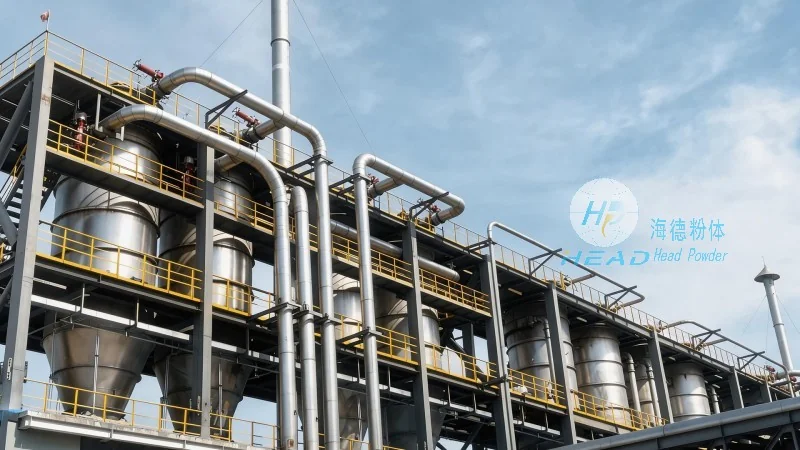
Ammonium bicarbonate is a hygroscopic and reactive chemical, which presents unique challenges during pneumatic conveying. Its tendency to absorb moisture from the air can lead to caking and blockages in the system. Additionally, the material is sensitive to temperature changes and can decompose under high heat, requiring careful temperature control during transport. The design must account for these properties to prevent operational issues and ensure product integrity.
Proper sizing of the conveying line, air compressor, and associated components is crucial for efficient ammonium bicarbonate transport. The system must be designed to maintain adequate air velocity to prevent material settling and ensure smooth flow. HeadPowder engineers recommend using a combination of positive and negative pressure systems, depending on the distance and layout of the conveying route. Calculating the required air volume and pressure is essential to avoid energy waste and maintain system performance.
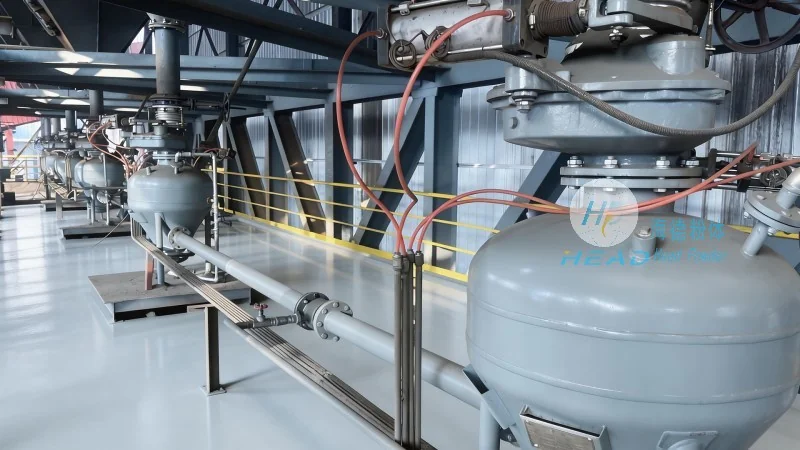
The choice of equipment materials is vital to prevent corrosion and contamination of the ammonium bicarbonate. Stainless steel or specialized alloys are often preferred for components that come into direct contact with the material. Additionally, the selection of valves, filters, and cyclones must be compatible with the chemical's properties to ensure long-term reliability. HeadPowder's expertise in material selection helps clients choose the most suitable components for their specific application.
Due to the reactive nature of ammonium bicarbonate, safety measures are paramount in system design. The system must be equipped with explosion-proof components and proper ventilation to mitigate the risk of gas accumulation. Additionally, the design should include emergency shut-off valves and pressure relief devices to prevent accidents. Environmental considerations, such as dust control and emissions management, are also addressed to ensure compliance with local regulations. HeadPowder adheres to strict safety standards to protect both personnel and the environment.
For many applications, the pneumatic conveying system needs to integrate with existing processing facilities. This requires careful planning to ensure compatibility with current infrastructure, including piping, storage, and processing equipment. HeadPowder engineers work closely with clients to assess existing conditions and design a system that seamlessly integrates, minimizing disruption to operations. The design process includes evaluating the layout, space constraints, and operational requirements to develop a customized solution.
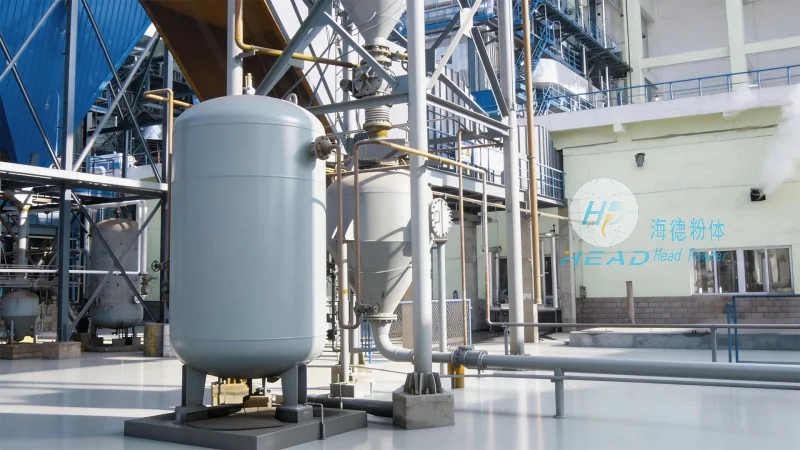
Long-term operational efficiency depends on the design's ease of maintenance and serviceability. Components such as filters, cyclones, and air compressors should be easily accessible for routine maintenance. The system should also include monitoring and control systems to track performance and detect potential issues early. HeadPowder's design philosophy emphasizes durability and low maintenance, reducing downtime and operational costs for clients. By incorporating these considerations, the system ensures reliable performance over its lifespan.
Designing an effective ammonium bicarbonate pneumatic conveying system involves a comprehensive approach that addresses material properties, system sizing, equipment selection, safety, and integration. With the expertise of Shandong HeadPowder Engineering Co., Ltd., clients can benefit from tailored solutions that meet their specific needs while ensuring efficiency and safety. By adhering to these design considerations, the system can operate reliably, delivering consistent performance and protecting both the product and the environment.

 Shandong Headpowder Engineering Co., Ltd.
 156-6277-7102(Manager Zhang)
  0531-83386006
  Zhangqiu District, Jinan City, Shandong Province, China
telephone
WeChatconsult
top