

Principles and Working Scene Characteristics of Pneumatic Conveying for Aluminum Sulfate Powder
HeadPowder, a leading enterprise in the field of powder processing and material handling, specializes in providing advanced solutions for the pneumatic conveying of aluminum sulfate powder. With a strong commitment to innovation and quality, the company operates from Shandong, China, and has established itself as a trusted partner for industries requiring efficient and reliable powder transport systems.
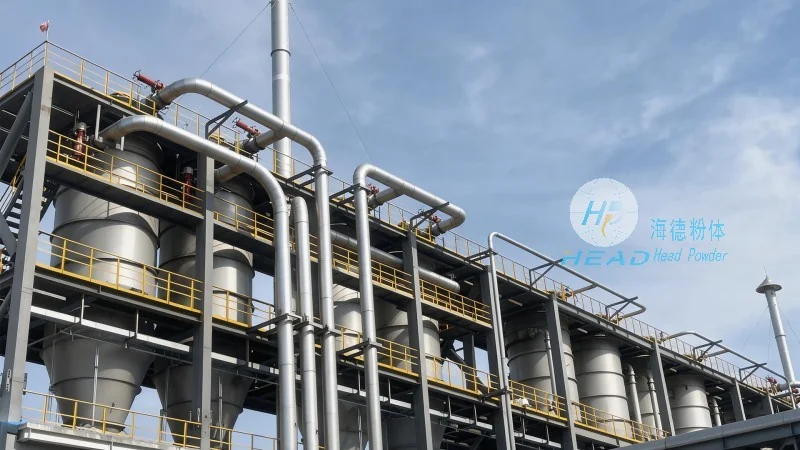
Aluminum Sulfate Powder Pneumatic Conveying Systems
HeadPowder Engineering Co., Ltd. offers specialized pneumatic conveying systems designed specifically for aluminum sulfate powder. This product line is engineered to handle the unique properties of aluminum sulfate, such as its hygroscopic nature and potential for agglomeration, ensuring optimal performance and minimal material loss during transport. The systems are built with high-quality components and advanced control technologies to meet the demands of various industrial applications.
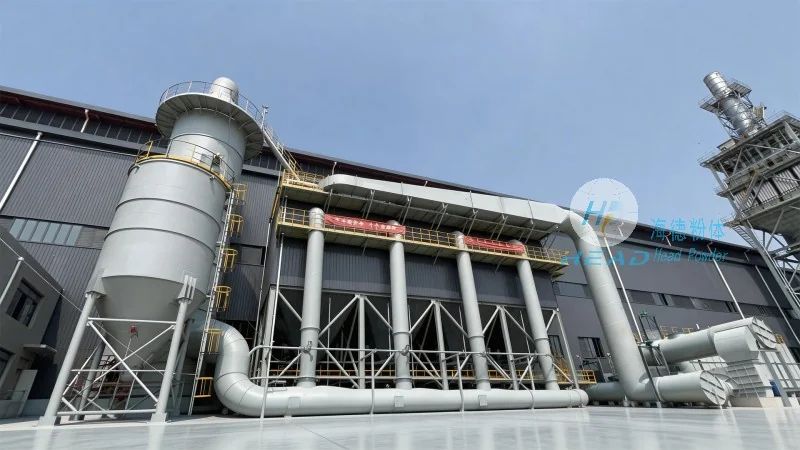
The Principles of Pneumatic Conveying for Aluminum Sulfate Powder
Pneumatic conveying, also known as air conveying, is a method of transporting bulk materials like aluminum sulfate powder through a pipeline using a stream of air. The process typically involves creating a pressure differential by either using a positive pressure system (where air is blown into the pipeline) or a negative pressure system (where air is drawn out). In the case of aluminum sulfate powder, the positive pressure system is often preferred due to its ability to handle abrasive and corrosive materials effectively. The system consists of several key components, including a hopper for material storage, a conveyor line, a venturi or rotary airlock for material feeding, and a dust collector or filter to ensure air quality and compliance with environmental regulations. The air flow is controlled by a blower or fan, which maintains the necessary velocity to keep the powder suspended and prevent blockages. The velocity of the air stream is critical; it must be high enough to overcome the gravitational forces acting on the powder particles but low enough to avoid excessive wear on the pipeline and equipment. The design of the conveying system is tailored to the specific characteristics of aluminum sulfate, including particle size distribution, bulk density, and flowability, to ensure efficient and reliable transport. For instance, the use of flexible hoses or rigid pipes may be selected based on the distance and layout of the conveying route, while the choice of blower size is determined by the required air volume and pressure to achieve the desired conveying rate. The system also incorporates safety features, such as pressure relief valves and overcurrent protection, to prevent accidents and ensure smooth operation. Overall, the pneumatic conveying principle provides a versatile and efficient solution for moving aluminum sulfate powder from storage to processing units, minimizing the need for manual handling and reducing the risk of contamination or material degradation.
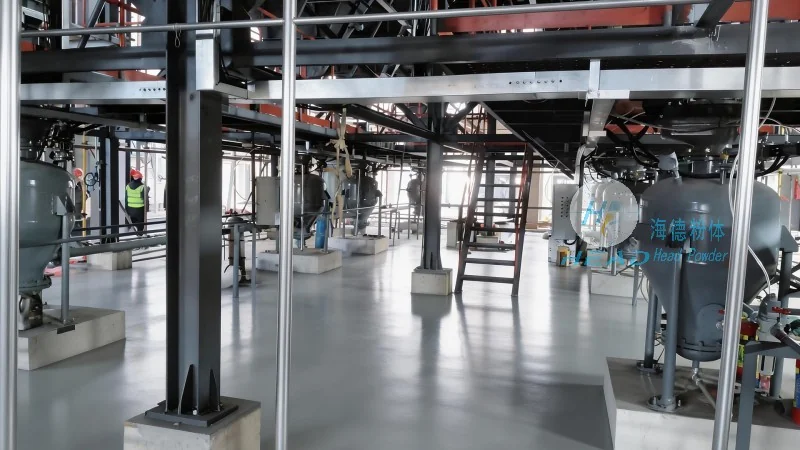
Working Scene Characteristics of Aluminum Sulfate Powder Pneumatic Conveying
The working scene characteristics of aluminum sulfate powder pneumatic conveying systems are influenced by several factors, including the application environment, material properties, and operational requirements. In industrial settings, such as water treatment plants, paper mills, or chemical manufacturing facilities, the systems are typically installed in enclosed or semi-enclosed areas to control dust and maintain air quality. The design of the conveying line is often customized to fit the existing infrastructure, with considerations for space constraints, ceiling height, and access for maintenance. For example, in a water treatment plant, the aluminum sulfate powder is used as a coagulant to remove impurities from water, and the conveying system must be integrated with the existing dosing and mixing equipment. The system operates continuously or in batch mode, depending on the production schedule, and the conveying rate is adjusted to match the demand for the coagulant. In paper mills, the aluminum sulfate is used as a sizing agent to improve the paper's strength and water resistance, and the conveying system must be able to handle the powder at high temperatures and pressures. The working scene also includes considerations for material handling and storage, such as the use of silos or hoppers to store the aluminum sulfate before it is conveyed to the processing unit. The silos are designed to prevent caking and ensure uniform material flow, with features like agitators or vibrators to maintain the powder's consistency. The conveying system is connected to the silo via a rotary airlock or a venturi, which controls the flow rate and prevents backflow. Additionally, the system may include a dust suppression system to reduce the emission of fine particles into the air, ensuring compliance with environmental regulations. The working scene characteristics also include the need for regular maintenance and monitoring to ensure the system's performance and longevity. This includes checking the blower performance, cleaning the filters and ducts, and inspecting the pipeline for wear or blockages. The maintenance schedule is typically based on the system's operating hours and the material's properties, with more frequent checks during peak operation periods. Overall, the working scene characteristics of aluminum sulfate powder pneumatic conveying systems are tailored to the specific needs of each application, ensuring efficient and reliable operation while minimizing downtime and maintenance costs.