With more than 10‑year industry experience, Shandong Headpowder delivers full‑service pneumatic‑conveying systems and blowers, undertaking nationwide turn‑key powder‑handling projects.
HeadPowder, a leading engineering company based in Shandong, China, specializes in the design, manufacturing, and installation of specialized material handling systems. One of their core offerings is the sodium hydroxide material conveying line, a critical component in various industrial applications requiring the safe and efficient transport of caustic soda. This article explores the fundamental principles behind these systems and highlights the key characteristics of their operational environments.
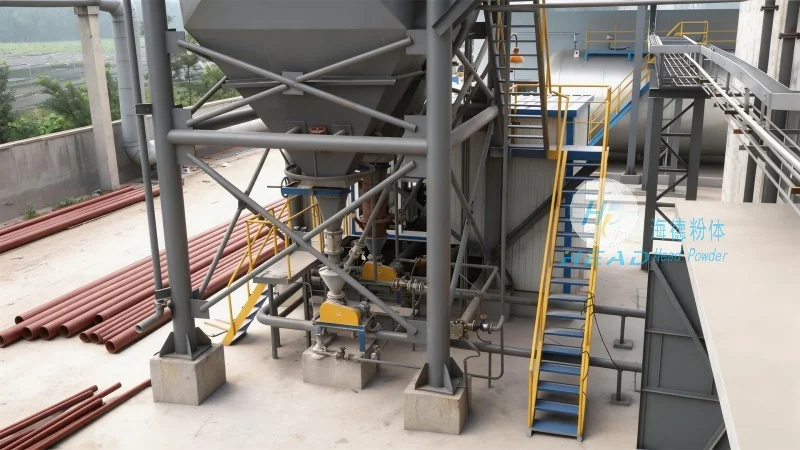
The sodium hydroxide material conveying line operates on the principle of mechanical transport, utilizing a combination of pumps, pipes, and sometimes pneumatic or hydraulic systems to move the highly corrosive and reactive caustic soda from its source to the point of use. The design of these lines is meticulously engineered to ensure safety and efficiency, addressing the unique challenges posed by sodium hydroxide's properties, such as its strong alkalinity, which can corrode standard materials if not properly managed. The system typically includes components like metering pumps, storage tanks, and specialized piping made from corrosion-resistant materials like stainless steel or lined carbon steel to prevent degradation and ensure longevity.
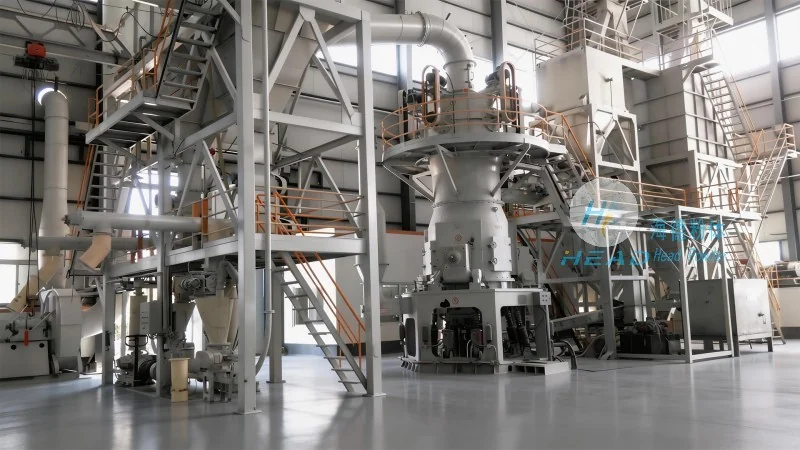
The operational environment of a sodium hydroxide conveying line is characterized by several distinct features that influence its design and functionality. Firstly, the process often occurs in industrial settings where the material is used in large-scale chemical production, such as in the manufacturing of soaps, detergents, and other alkaline products. The line must be integrated seamlessly into existing production workflows, ensuring minimal downtime and maximum throughput. Secondly, safety is paramount due to the hazardous nature of sodium hydroxide; therefore, the system incorporates multiple safety measures, including pressure relief valves, emergency shut-off systems, and monitoring equipment to detect leaks or abnormal conditions in real-time. Thirdly, the line is designed for durability and reliability, as continuous operation in demanding industrial environments requires components that can withstand high temperatures, chemical exposure, and frequent use without compromising performance. Additionally, the system may be equipped with automation controls to optimize the flow rate and maintain consistent pressure, enhancing overall operational efficiency.
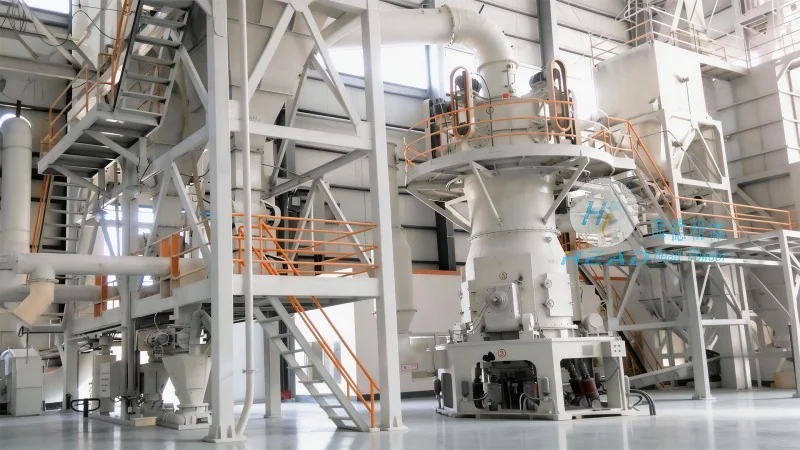
The sodium hydroxide conveying line is widely used across various industries, including chemical manufacturing, paper production, and water treatment. In chemical plants, it facilitates the transport of caustic soda to reactors and processing units, enabling the production of downstream products like sodium carbonate and sodium chlorate. In the paper industry, the line supplies the necessary alkaline solutions for pulp processing and bleaching, improving the quality and yield of paper products. In water treatment facilities, it is used to adjust the pH levels of water, making it suitable for industrial or municipal use. The versatility of these conveying lines makes them indispensable in any facility that relies on sodium hydroxide as a key raw material, ensuring that the material is handled safely and efficiently throughout the production process.
When designing a sodium hydroxide conveying line, several technical specifications and design considerations are critical to ensure optimal performance and safety. The choice of materials for the piping and equipment is paramount; stainless steel grades such as 316 or 316L are commonly used due to their excellent resistance to corrosion from caustic soda. The system may also incorporate lined pipes or liners made from polypropylene or other chemically resistant polymers to extend the service life of the components. The pump selection is another critical factor, with centrifugal or positive displacement pumps often used depending on the flow rate and pressure requirements. Positive displacement pumps are preferred for high-viscosity or shear-sensitive materials, ensuring consistent delivery without degradation. Additionally, the system may include temperature control mechanisms to prevent overheating, as sodium hydroxide can generate heat during transport, which could affect its properties or cause safety hazards. The integration of these technical elements results in a robust and reliable conveying line that meets the stringent demands of industrial applications.
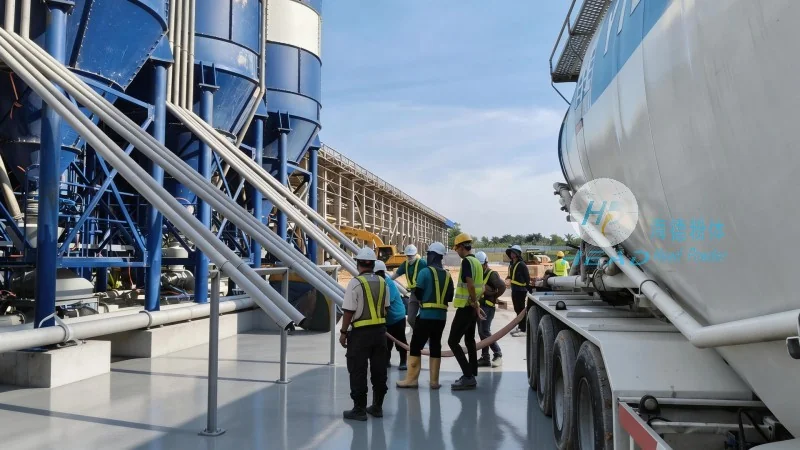
In conclusion, the sodium hydroxide material conveying line is a sophisticated and essential system in modern industrial operations, designed to handle the unique challenges of transporting a highly reactive and corrosive chemical. The principles underlying its operation, combined with the specific characteristics of its working environment, ensure that it delivers safe, efficient, and reliable performance. As a key component in various production processes, this line plays a vital role in enhancing productivity and maintaining safety standards in industries that rely on sodium hydroxide. HeadPowder's expertise in engineering such systems ensures that clients receive tailored solutions that meet their specific operational needs, contributing to the overall success and efficiency of their industrial processes.

 Shandong Headpowder Engineering Co., Ltd.
 156-6277-7102(Manager Zhang)
  0531-83386006
  Zhangqiu District, Jinan City, Shandong Province, China
telephone
WeChatconsult
top