With more than 10‑year industry experience, Shandong Headpowder delivers full‑service pneumatic‑conveying systems and blowers, undertaking nationwide turn‑key powder‑handling projects.
Lithium iron carbonate (LiFeCO₃) is a vital raw material in the production of lithium-ion batteries, widely utilized in electric vehicles, renewable energy storage systems, and portable electronic devices. The efficient and reliable transportation of this material from production sites to processing facilities is crucial for maintaining production efficiency and product quality. This article delves into the principles underlying lithium iron carbonate material conveying lines and highlights the key characteristics of their working scenes, with a focus on the solutions provided by Shandong HeadPowder Engineering Co., Ltd.
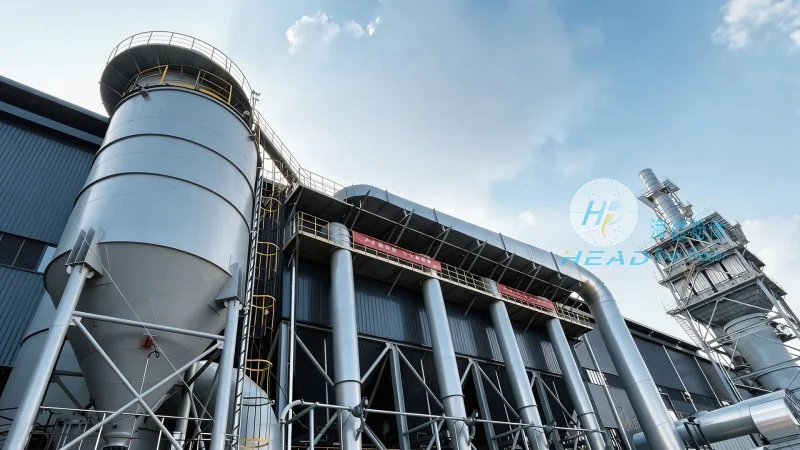
As a leading provider of powder processing equipment, Shandong HeadPowder Engineering Co., Ltd. specializes in designing and manufacturing advanced material conveying systems tailored to the needs of the lithium battery industry. With a strong commitment to innovation and customer satisfaction, the company has established itself as a trusted partner for businesses seeking to optimize their material handling processes. HeadPowder's expertise lies in understanding the unique challenges of handling lithium iron carbonate, such as its fine particle size, hygroscopic nature, and the need for contamination-free transport. The company's solutions are designed to meet the stringent requirements of modern battery manufacturing, ensuring that material is conveyed safely, efficiently, and in compliance with industry standards.

The core principle of lithium iron carbonate material conveying lines is to transport fine powders in a controlled manner, minimizing particle degradation and ensuring consistent flow rates. These systems typically consist of several key components, including feeders, conveyors, and control systems. Feeders are used to regulate the flow of material from storage silos or hoppers, ensuring a steady supply to the conveyor. Common types of feeders include rotary valves, vibratory feeders, and screw feeders, each chosen based on the material's properties and the required flow rate. The conveyor itself is the heart of the system, responsible for moving the material through the process. For lithium iron carbonate, pneumatic conveying systems are often preferred due to their ability to handle fine powders without the need for mechanical contact, which can cause particle breakage or contamination. These systems use compressed air to create a flow of material through a pipeline, with the air pressure and velocity carefully controlled to maintain optimal transport conditions. In addition to pneumatic conveyors, mechanical conveyors like belt conveyors or bucket elevators may be used for short-distance or bulk material transport, though they require more careful maintenance to prevent material buildup and wear.
The working scenes of lithium iron carbonate material conveying lines vary depending on the specific application and production environment. In battery manufacturing plants, these systems are typically integrated into larger production lines, where the material is transported from raw material storage to the mixing and compounding stages. The key characteristics of these working scenes include high throughput requirements, strict contamination control, and the need for precise dosing. For example, in the production of lithium-ion battery cathodes, the conveying line must deliver a consistent flow of lithium iron carbonate to the mixing equipment, ensuring that the final cathode material has the correct chemical composition and particle size distribution. Another important characteristic is the need for dust control, as lithium iron carbonate is a fine powder that can generate significant dust during handling. Conveying systems are often equipped with dust collection and filtration systems to maintain a clean working environment and comply with environmental regulations. Additionally, the working scenes may involve multiple stages of material processing, such as pre-drying, grinding, and blending, where the conveying line serves as a critical link between each stage. This integration requires careful coordination to ensure that material is transferred smoothly and without interruption, minimizing downtime and maximizing production efficiency.
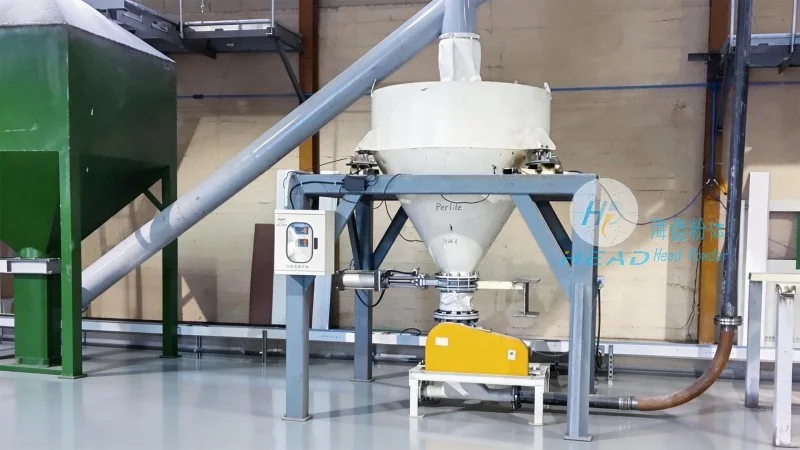
Shandong HeadPowder Engineering Co., Ltd. offers a range of advanced conveying solutions specifically designed for lithium iron carbonate material handling. These systems are engineered to address the unique challenges of the material, including its fine particle size, hygroscopic nature, and sensitivity to moisture and contamination. One of the key features of HeadPowder's conveying lines is the use of high-quality materials for construction, such as stainless steel and food-grade plastics, which are resistant to corrosion and can withstand the chemical properties of lithium iron carbonate. The systems are also equipped with advanced control technology, including PLC (Programmable Logic Controller) systems and sensors, to monitor and adjust the conveying process in real-time. This allows for precise control of flow rates, pressure, and temperature, ensuring optimal transport conditions and minimizing material loss. Another advantage is the modular design of the systems, which allows for easy installation and customization to fit the specific requirements of each customer's facility. HeadPowder's team of engineers works closely with clients to understand their production needs and design a conveying solution that maximizes efficiency and minimizes downtime. The company also provides comprehensive after-sales support, including maintenance services and technical assistance, to ensure that the conveying systems operate at peak performance throughout their lifespan.

 Shandong Headpowder Engineering Co., Ltd.
 156-6277-7102(Manager Zhang)
  0531-83386006
  Zhangqiu District, Jinan City, Shandong Province, China
telephone
WeChatconsult
top