With more than 10‑year industry experience, Shandong Headpowder delivers full‑service pneumatic‑conveying systems and blowers, undertaking nationwide turn‑key powder‑handling projects.
HeadPowder, a leading provider in the field of material handling solutions, specializes in the design, manufacturing, and installation of advanced conveying systems tailored for cement and fly ash transportation. This article delves into the core principles behind cement fly ash material conveying equipment, alongside an exploration of its key working scene characteristics that make it indispensable in modern industrial applications.
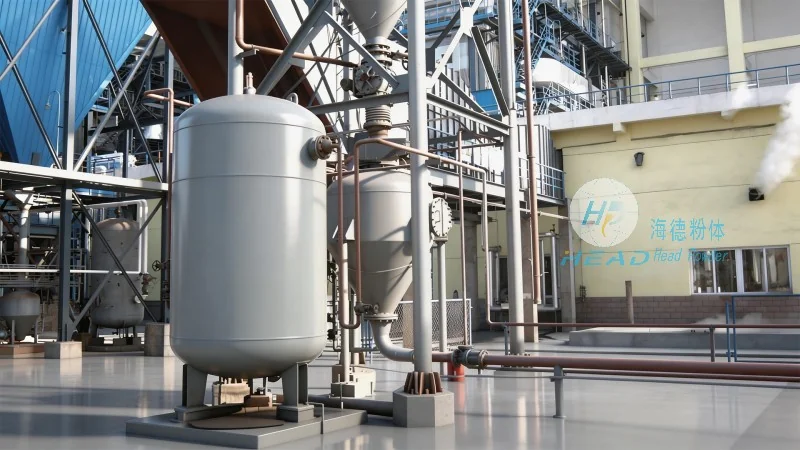
Shandong HeadPowder Engineering Co., Ltd., commonly known as HeadPowder, is headquartered in Shandong, China. With a strong commitment to innovation and quality, the company has established itself as a trusted partner for industries requiring efficient and reliable material transport solutions. HeadPowder’s expertise lies in developing customized conveying systems that address the unique challenges of handling cement and fly ash, ensuring optimal performance and durability in demanding operational environments.
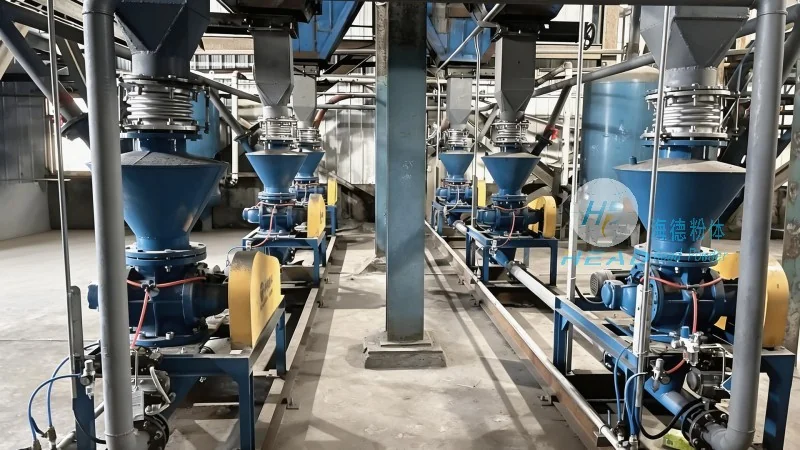
The primary principle of cement fly ash material conveying equipment revolves around the efficient and continuous movement of bulk materials from one location to another. These systems typically utilize mechanical components such as screw conveyors, belt conveyors, or pneumatic conveyors, each designed to handle the specific physical properties of cement and fly ash. The equipment is engineered to maintain consistent material flow, minimize material degradation, and ensure safe operation under various industrial conditions. Key components include feed hoppers, conveying mechanisms, discharge outlets, and control systems that work in tandem to achieve seamless material transport. The design emphasizes energy efficiency and low maintenance, making it suitable for long-term, high-volume operations in cement production and processing facilities.
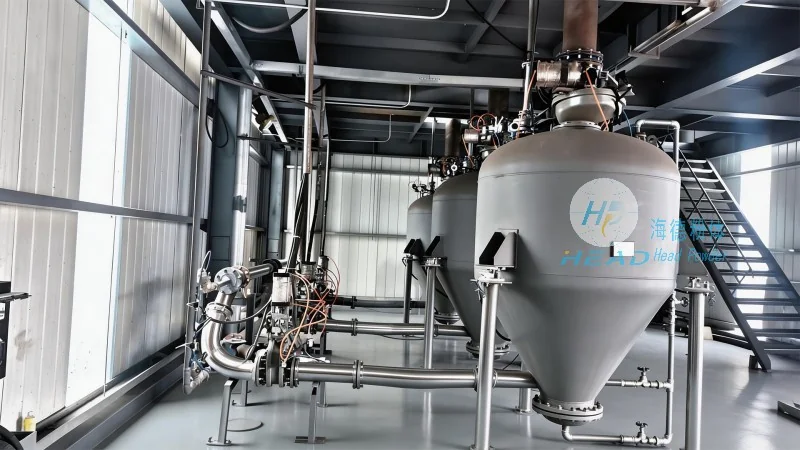
Cement fly ash material conveying equipment is widely utilized in diverse industrial settings, each with distinct operational requirements. In cement manufacturing plants, these systems are crucial for transporting raw materials like fly ash from storage silos to mixing and processing areas. The equipment must handle high volumes of fine, dusty materials while maintaining air quality and preventing dust contamination. In power plants, the same technology is employed to transport fly ash from combustion processes to disposal or reuse facilities, ensuring compliance with environmental regulations and operational efficiency. Additionally, in construction and infrastructure projects, the equipment facilitates the delivery of cement and fly ash to job sites, supporting large-scale building and development activities. The working scene characteristics include variable material moisture content, temperature fluctuations, and the need for dust control measures, all of which are addressed through specialized equipment design and operational protocols.
HeadPowder’s cement fly ash material conveying equipment offers several advantages that enhance operational efficiency and cost-effectiveness. The systems are designed for high throughput, capable of handling large quantities of material per hour while maintaining consistent flow rates. This reduces downtime and increases overall productivity in industrial settings. Furthermore, the equipment is built with durable materials, such as stainless steel or corrosion-resistant alloys, to withstand the abrasive nature of cement and fly ash, extending service life and minimizing maintenance costs. Advanced control systems allow for real-time monitoring and adjustment of conveying parameters, ensuring optimal performance under changing operational conditions. The equipment also incorporates safety features, such as emergency stop mechanisms and dust suppression systems, to protect personnel and comply with safety standards. These features collectively contribute to a reliable and efficient material transport solution that meets the demands of modern industrial applications.
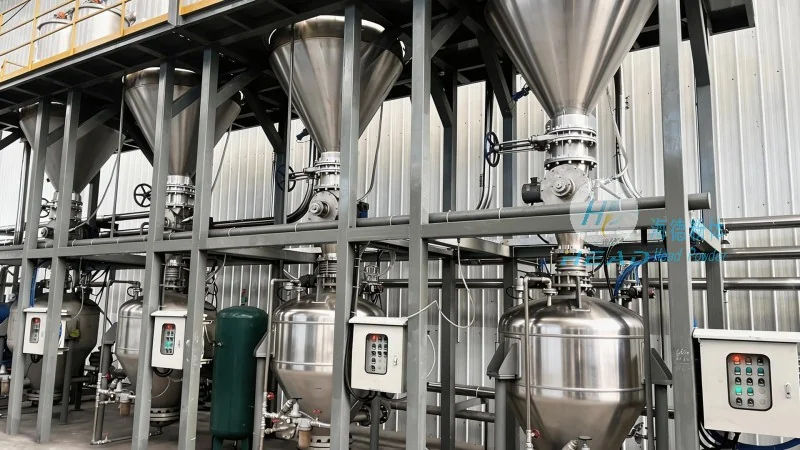
In conclusion, cement fly ash material conveying equipment plays a vital role in the efficient operation of cement and power generation industries. HeadPowder’s expertise in designing and manufacturing these systems ensures that clients receive tailored solutions that address their specific needs. As industrial demands evolve, the focus remains on improving equipment efficiency, durability, and environmental compliance. Future developments may include the integration of smart technology, such as IoT sensors and automated control systems, to further enhance operational performance and reduce maintenance requirements. However, the core principles and working scene characteristics of these conveying systems will continue to remain essential for the smooth and sustainable transport of cement and fly ash in various industrial applications.

 Shandong Headpowder Engineering Co., Ltd.
 156-6277-7102(Manager Zhang)
  0531-83386006
  Zhangqiu District, Jinan City, Shandong Province, China
telephone
WeChatconsult
top