With more than 10‑year industry experience, Shandong Headpowder delivers full‑service pneumatic‑conveying systems and blowers, undertaking nationwide turn‑key powder‑handling projects.
Understanding the principles and working characteristics of ferric sulfate material handling is crucial for industries that rely on efficient and reliable transport solutions. Ferric sulfate, a key chemical compound widely used in water treatment, industrial processes, and other applications, requires specialized handling methods to ensure safety, efficiency, and compliance with operational standards. This article explores the fundamental principles behind ferric sulfate material transport and highlights the key working scenarios where such systems are employed.
Ferric sulfate, also known as iron(III) sulfate, is a chemical compound with the formula Fe₂(SO₄)₃. It is commonly used as a coagulant in water treatment processes to remove impurities and suspended solids from water. In industrial settings, it serves various purposes, including as a catalyst in chemical reactions and as a component in the production of other iron-based compounds. Due to its properties and applications, the efficient handling and transport of ferric sulfate are critical to maintaining operational efficiency and product quality.
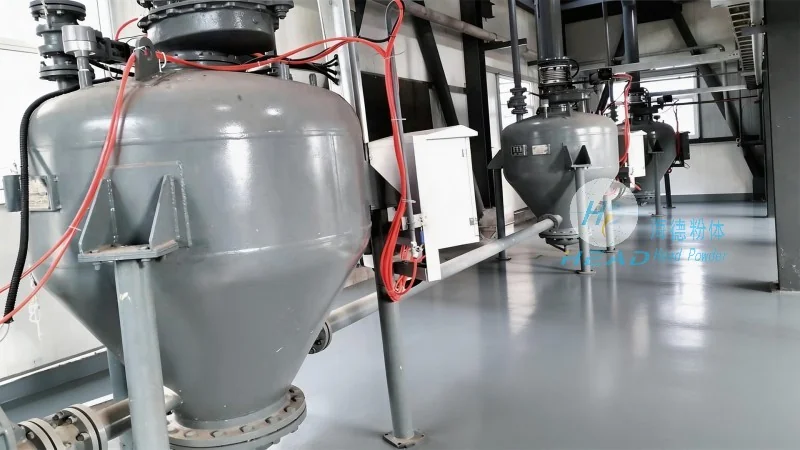
The handling of ferric sulfate involves several key principles designed to ensure safe and effective transport. First, the material is typically stored in bulk containers or tanks to maintain its stability and prevent degradation. Proper storage conditions, such as controlled temperature and moisture levels, are essential to preserve the chemical's effectiveness. Second, the material is often transported using specialized equipment, including bulk carriers, conveyor systems, and pumping mechanisms, which are designed to handle the compound's physical properties. These systems must be capable of withstanding the corrosive nature of ferric sulfate and ensuring minimal leakage or spillage during transport.
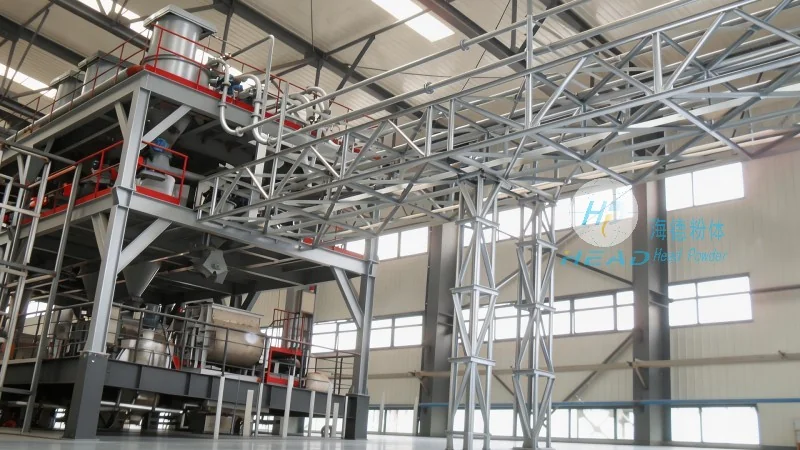
Third, the handling process emphasizes safety protocols to protect personnel and the environment. This includes the use of protective equipment, such as gloves and goggles, and adherence to proper handling procedures to prevent exposure to the chemical. Additionally, the transport equipment must be regularly inspected and maintained to ensure it operates within safe parameters. The principles of material handling for ferric sulfate are centered on efficiency, safety, and environmental responsibility, all of which are critical in industrial applications.
Ferric sulfate material handling systems are employed in a variety of working scenarios across different industries. One primary application is in water treatment facilities, where the compound is used as a coagulant to purify water. In these settings, the material is transported from storage tanks to dosing systems using pumps and pipelines. The systems must be designed to handle the high viscosity and potential for scaling, ensuring consistent dosing rates and preventing clogging.
Another significant scenario is in industrial manufacturing, particularly in the production of iron-based chemicals and pigments. Here, ferric sulfate is used as an intermediate in chemical processes, and the material handling systems must be capable of handling larger volumes and more complex transport requirements. The systems often integrate with other processing equipment, such as reactors and mixers, to ensure seamless material flow and minimize downtime.
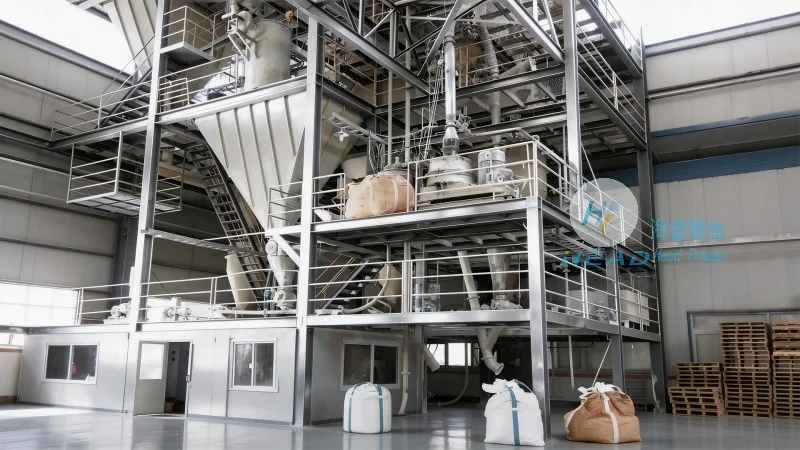
Additionally, the material handling of ferric sulfate is relevant in environmental remediation projects, where the compound is used to treat contaminated water or soil. In these scenarios, the transport systems must be designed to handle the specific conditions of the site, such as varying water levels or terrain, and ensure the safe and effective application of the chemical. The working scenarios highlight the versatility of ferric sulfate material handling systems and their adaptability to different industrial needs.
Effective ferric sulfate material handling requires careful consideration of several factors to ensure optimal performance. First, the selection of appropriate equipment is critical. This includes choosing the right type of storage containers, such as corrosion-resistant tanks, and transport systems, such as conveyor belts or pumps, that are specifically designed for handling ferric sulfate. The equipment must be able to withstand the chemical's properties and maintain its integrity over time.
Second, regular maintenance and inspection are essential to prevent equipment failure and ensure safety. This includes checking for leaks, corrosion, and wear and tear in the transport systems. Proper maintenance schedules and protocols help to extend the lifespan of the equipment and reduce the risk of accidents or spills. Third, adherence to safety regulations and guidelines is paramount. This includes following local and international standards for chemical handling and transport, as well as implementing proper emergency response plans in case of accidents.
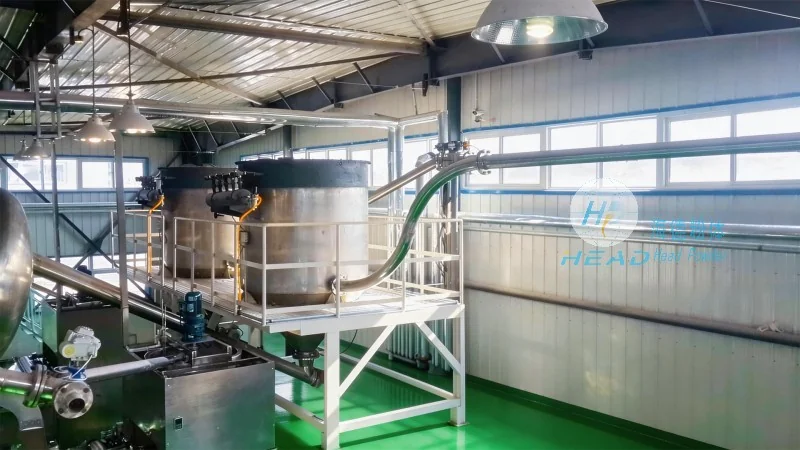
Finally, the integration of technology and automation can enhance the efficiency of ferric sulfate material handling. Modern systems often incorporate sensors and monitoring devices to track the material's flow and detect any issues in real-time. This allows for immediate adjustments and ensures that the transport process runs smoothly. The use of automation also reduces the risk of human error and improves overall operational efficiency.
In conclusion, the principles and working scenarios of ferric sulfate material handling are essential for industries that rely on this critical chemical compound. The effective handling of ferric sulfate involves understanding its properties, selecting appropriate equipment, and implementing safety protocols. The working scenarios, ranging from water treatment to industrial manufacturing, highlight the versatility and importance of ferric sulfate in various applications. By adhering to the core principles of material handling and leveraging modern technology, industries can ensure the safe and efficient transport of ferric sulfate, contributing to operational success and environmental responsibility.

 Shandong Headpowder Engineering Co., Ltd.
 156-6277-7102(Manager Zhang)
  0531-83386006
  Zhangqiu District, Jinan City, Shandong Province, China
telephone
WeChatconsult
top