With more than 10‑year industry experience, Shandong Headpowder delivers full‑service pneumatic‑conveying systems and blowers, undertaking nationwide turn‑key powder‑handling projects.
Wheat bran, a byproduct of wheat milling, is widely utilized in animal feed, food processing, and other industrial applications. Efficient material handling is essential for optimizing production processes in facilities that handle wheat bran. Pneumatic conveying systems offer a flexible and effective solution for transporting wheat bran from storage to processing areas. This article explores several practical solutions for wheat bran pneumatic conveying, highlighting key considerations and technologies employed by Shandong HeadPowder Engineering Co., Ltd., a leading material handling solutions provider based in Shandong, China.
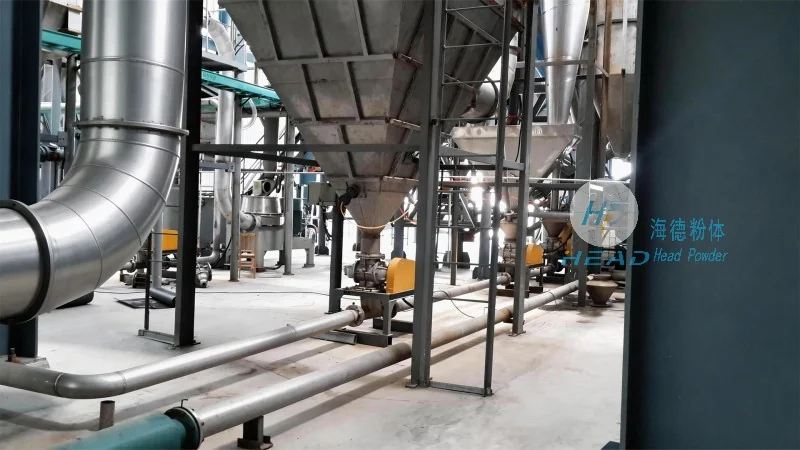
Pneumatic conveying systems utilize air to transport bulk materials like wheat bran through a network of pipes. These systems are categorized into two main types: positive pressure and negative pressure. Positive pressure systems blow air into the conveying line, pushing material forward, while negative pressure systems create a vacuum to draw material into the line. The choice between these systems depends on factors such as material characteristics, distance, and system complexity. For wheat bran—relatively light and dusty—both systems can be effective, but selection often hinges on operational requirements.
One common solution is the positive pressure system equipped with screw feeders. This approach feeds wheat bran into a conveyor line using a screw feeder, which propels material into the air stream. The screw feeder ensures consistent, controlled flow, preventing blockages and maintaining efficiency. Positive pressure systems excel for longer distances or multiple destinations. The screw feeder also handles wheat bran’s fine, cohesive nature, ensuring smooth transport without excessive dust. Shandong HeadPowder Engineering Co., Ltd. tailors screw feeder size and speed to match bran characteristics and required capacity.
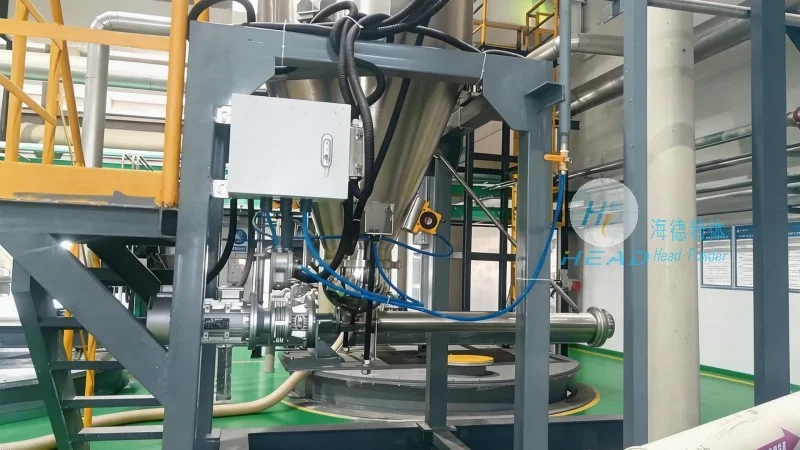
Another viable option is the negative pressure system, which uses cyclone separators to collect and separate wheat bran from the air stream. The bran is drawn into the line by a vacuum at the receiving end, and the cyclone then separates bran from air (recirculating or venting air). Negative pressure systems suit shorter distances or single processing points and minimize dust emissions. Cyclone design (diameter, stages) is critical for high separation efficiency. Shandong HeadPowder Engineering Co., Ltd. offers customized cyclones to optimize bran recovery and air cleanliness, meeting environmental and operational standards.
For facilities with complex layouts or multiple stages, hybrid systems combine positive and negative pressure elements. They may use positive pressure for transport from the silo to an intermediate point, then switch to negative pressure for final delivery. Hybrid systems handle varying volumes and distances, ideal for large-scale plants. Integration of components requires careful design to ensure smooth transitions. Shandong HeadPowder Engineering Co., Ltd. provides comprehensive engineering to design hybrid systems tailored to client needs, selecting air volumes, pressure differentials, and component placements.
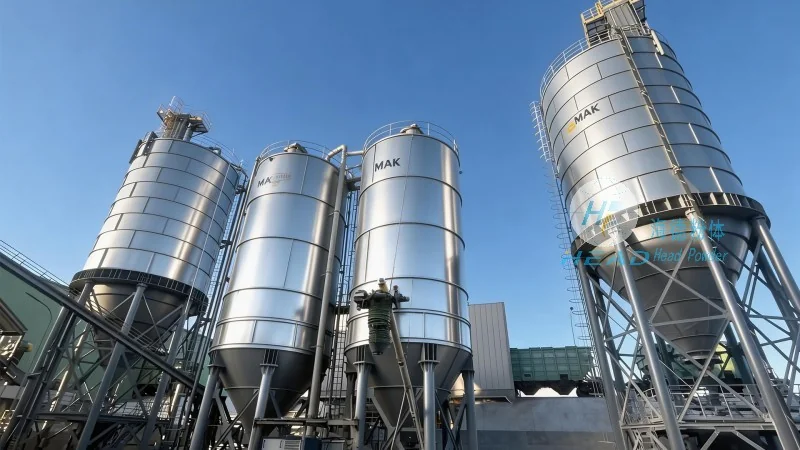
Implementing a system requires attention to material properties (particle size, moisture, dustiness), conveying distance/elevation, and maintenance. Wheat bran’s typical particle size (0.1–2 mm) and moisture (10–15%) affect flow and wear. Longer distances or elevations may need larger air volumes or more powerful blowers. Regular component inspection (screw feeders, cyclones, filters) prevents clogging and ensures efficiency. Shandong HeadPowder Engineering Co., Ltd. emphasizes preventive maintenance and client training on routine checks to minimize disruptions and extend equipment life.
Shandong HeadPowder Engineering Co., Ltd. delivers tailored pneumatic conveying solutions for wheat bran processing. The engineering team assesses operational needs, material characteristics, and site constraints to design efficient systems. From consultation to installation and commissioning, the company provides comprehensive support. After-sales services include maintenance contracts, spare parts, and technical support. By leveraging experience, Shandong HeadPowder helps clients optimize workflows, reduce costs, and enhance productivity.

 Shandong Headpowder Engineering Co., Ltd.
 156-6277-7102(Manager Zhang)
  0531-83386006
  Zhangqiu District, Jinan City, Shandong Province, China
telephone
WeChatconsult
top