With more than 10‑year industry experience, Shandong Headpowder delivers full‑service pneumatic‑conveying systems and blowers, undertaking nationwide turn‑key powder‑handling projects.
When designing a pneumatic conveying system for rubber granules, several critical factors must be considered to ensure efficient, reliable, and cost-effective operation. The system's performance is directly influenced by the material properties of the rubber granules, the chosen conveying method, and the overall system configuration. As a leading engineering company, Shandong HeadPowder Engineering Co., Ltd. specializes in developing tailored solutions that address these challenges, leveraging years of experience in material handling and process engineering.
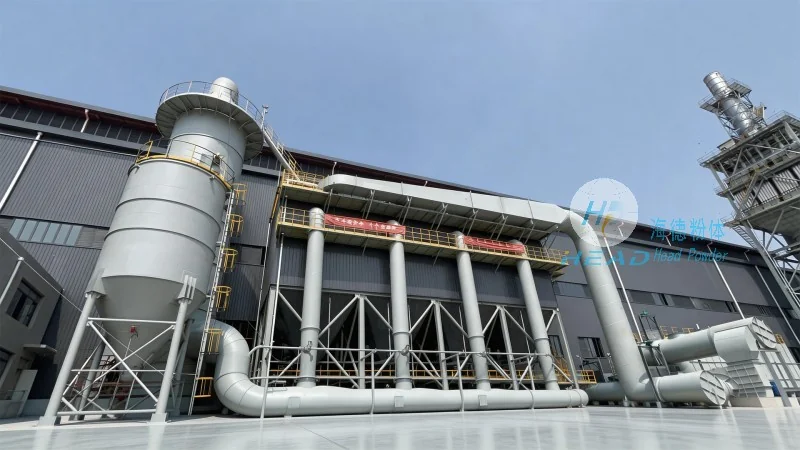
The first step in designing a successful system involves understanding the physical and chemical characteristics of the rubber granules. These properties, such as particle size distribution, bulk density, and moisture content, significantly impact the conveying velocity and pressure requirements. For instance, smaller particles may require higher air velocities to prevent clogging, while larger granules might need lower velocities to maintain system efficiency. Additionally, the moisture content of the rubber granules can affect the system's performance, as excess moisture can lead to blockages or increased energy consumption. At HeadPowder, our engineers conduct thorough material analysis to determine the optimal conveying parameters for each application.
A pneumatic conveying system for rubber granules typically consists of several key components, each playing a vital role in the overall operation. The primary components include the material feed hopper, the air supply system (blowers or compressors), the conveying line (flexible or rigid pipes), and the discharge unit. The feed hopper is designed to store and feed the rubber granules into the system at a controlled rate, preventing overloading and ensuring consistent flow. The air supply system provides the necessary pressure and volume of air to move the material through the conveying line. The choice between positive and negative pressure systems depends on the specific application and material characteristics. For rubber granules, positive pressure systems are often preferred as they offer better control over the material flow and reduce the risk of dust emissions. The conveying line must be selected based on factors like the material's abrasiveness and the system's operating pressure. Flexible hoses are commonly used for short-distance conveying, while rigid pipes are suitable for longer distances or high-pressure applications. The discharge unit, such as a rotary valve or a surge bin, regulates the material's release from the system, ensuring smooth and controlled discharge.
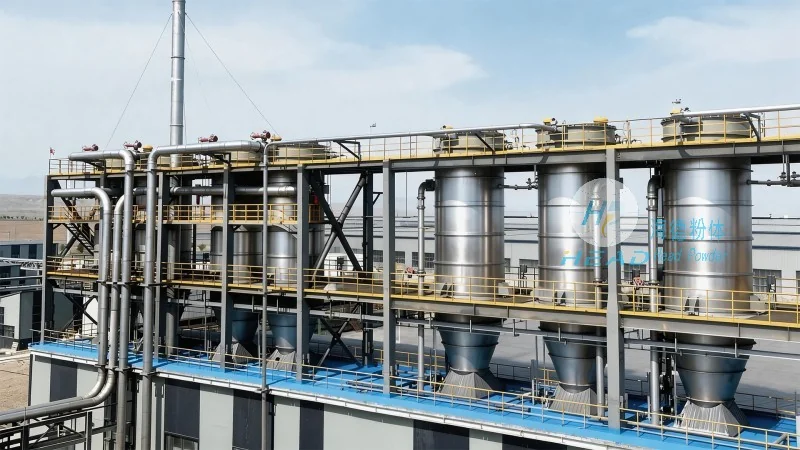
Rubber granules can present unique challenges during pneumatic conveying, including abrasiveness, stickiness, and the potential for dust generation. Abrasive rubber granules can cause wear and tear on system components, such as the conveying line and the air supply equipment. To mitigate this, HeadPowder recommends using high-quality, wear-resistant materials for the system components, such as stainless steel or specialized coatings. Stickiness can also be a problem, especially if the rubber granules are processed with additives or have high moisture content. This can lead to blockages in the conveying line or the feed hopper. To address this, the system may include a pre-drying or heating step to reduce moisture content and improve material flow. Dust generation is another concern, as rubber granules can produce fine particles that are hazardous to health and can affect the system's efficiency. Proper dust collection and filtration systems are essential to maintain a safe and clean working environment. At HeadPowder, we design systems with integrated dust control measures, such as cyclone separators and bag filters, to minimize dust emissions and comply with environmental regulations.
Energy efficiency is a critical consideration in the design of any pneumatic conveying system, as it directly impacts operational costs. The choice of air supply equipment, such as centrifugal blowers or positive displacement blowers, affects the system's energy consumption. Centrifugal blowers are generally more energy-efficient for high-volume applications, while positive displacement blowers are suitable for low-volume or high-pressure systems. The system's design should also minimize pressure losses, which can be caused by bends, fittings, and restrictions in the conveying line. Proper sizing of the air supply and the conveying line is essential to achieve optimal energy efficiency. Additionally, regular maintenance of the system components, such as cleaning the filters and checking for wear, can help maintain energy efficiency and reduce downtime. At HeadPowder, our engineers use advanced simulation tools to optimize the system design for maximum energy efficiency, ensuring that our clients achieve long-term cost savings.
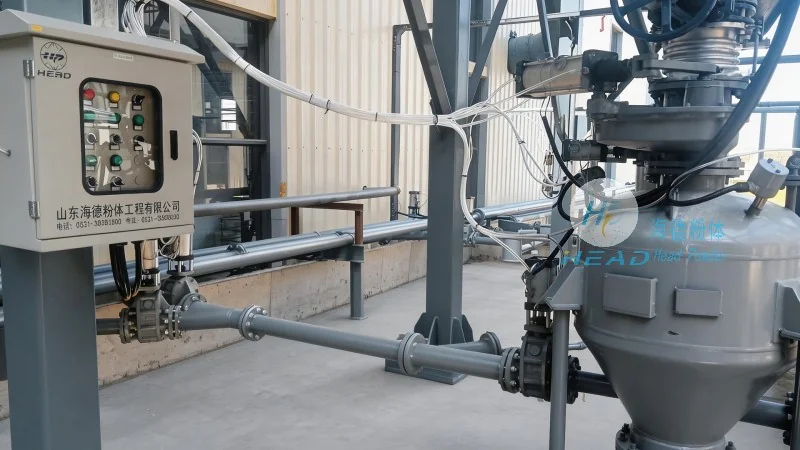
Every industrial application is unique, and a one-size-fits-all approach to pneumatic conveying is often ineffective. HeadPowder specializes in customizing pneumatic conveying systems to meet the specific needs of our clients. This includes integrating the system with existing equipment, such as storage silos, processing machinery, or packaging lines. The system design must consider the client's production capacity, material flow rates, and space constraints. For example, a small-scale system may require a compact design with a vertical conveying line, while a large-scale system may need a horizontal or inclined line with multiple feed points. Our team works closely with clients to understand their operational requirements and develop a tailored solution that maximizes efficiency and minimizes downtime. We also provide comprehensive installation and commissioning services to ensure that the system is integrated smoothly into the existing process.
Designing a pneumatic conveying system for rubber granules requires a careful balance of technical expertise, material understanding, and practical application. At Shandong HeadPowder Engineering Co., Ltd., we combine our deep industry knowledge with advanced engineering solutions to deliver systems that meet the highest standards of performance and reliability. By considering factors such as material properties, system components, and operational efficiency, we ensure that our clients achieve optimal results. Whether you are a new or existing client, HeadPowder is committed to providing customized solutions that enhance your production processes and reduce your operational costs. Contact us today to learn more about our pneumatic conveying systems for rubber granules and how we can help you achieve your material handling goals.

 Shandong Headpowder Engineering Co., Ltd.
 156-6277-7102(Manager Zhang)
  0531-83386006
  Zhangqiu District, Jinan City, Shandong Province, China
telephone
WeChatconsult
top