With more than 10‑year industry experience, Shandong Headpowder delivers full‑service pneumatic‑conveying systems and blowers, undertaking nationwide turn‑key powder‑handling projects.
Dry limestone material pneumatic conveying systems are essential in industrial applications where the efficient and safe transportation of limestone powder is required. These systems utilize air as the conveying medium to move dry limestone particles from one location to another, offering a reliable solution for various processing and manufacturing environments. The technology behind these systems is designed to handle the unique characteristics of limestone, such as its fine particle size and potential for dust generation, while ensuring optimal performance and minimal operational issues.
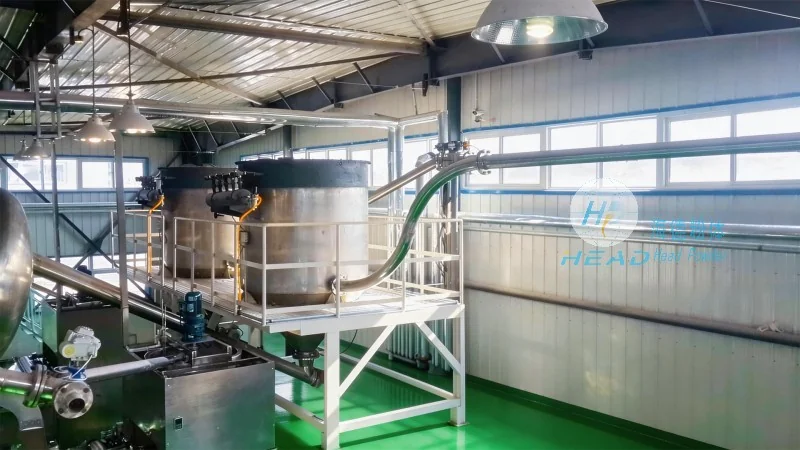
The core of a dry limestone material pneumatic conveying line is the air flow mechanism that propels the limestone particles through a pipeline. The system typically operates on the principle of pressure or vacuum, depending on the specific application and layout. In a pressure system, a blower or compressor generates high-pressure air that is introduced into the material feed point. The limestone powder is then drawn into the air stream and carried through the pipeline to the discharge point. Conversely, a vacuum system uses a vacuum pump to create a negative pressure that pulls the material from the source to the destination. The choice between pressure and vacuum depends on factors like the distance of the conveying line, the height difference between the source and destination, and the volume of material to be transported.
Key components in a dry limestone pneumatic conveying system include the material feeder, which ensures a consistent flow of limestone into the system; the air compressor or vacuum pump, which provides the necessary air pressure or vacuum; the conveying pipeline, which transports the limestone particles; and the control system, which regulates the flow rate and pressure to maintain optimal operation. The material feeder, often a rotary valve or a screw feeder, is crucial for preventing material buildup and ensuring a steady supply of limestone. The air compressor or vacuum pump must be capable of handling the specific air volume and pressure required for the limestone particles, considering their size and density. The pipeline design, including the diameter and material of the pipes, is critical to minimize friction losses and prevent particle segregation or clogging.
Dry limestone material pneumatic conveying systems offer several advantages that make them suitable for industrial applications. One of the primary features is their ability to handle fine limestone particles without the need for additional equipment like buckets or trucks. This reduces the risk of material spillage and contamination, which is particularly important in food processing or pharmaceutical industries where product purity is critical. Another key feature is the system's flexibility in terms of layout and distance. Pneumatic conveying lines can be installed in various configurations, including horizontal, vertical, or a combination of both, to accommodate different plant layouts and conveying requirements. The systems can also handle long distances, making them ideal for large-scale industrial facilities where material needs to be transported over several hundred meters or more.
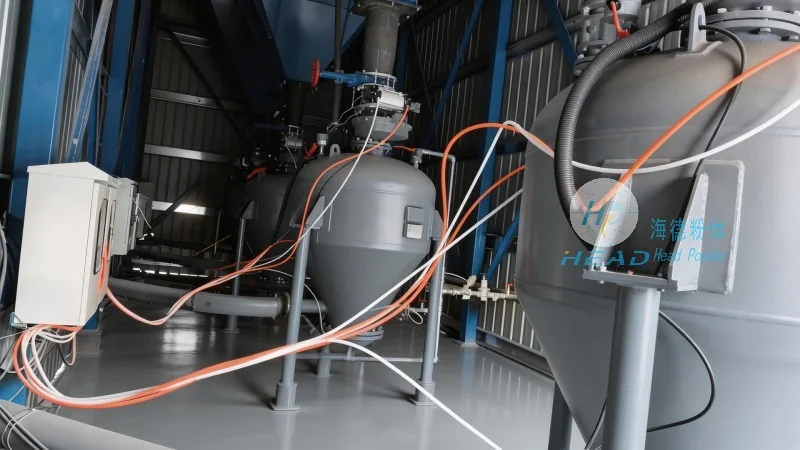
Efficiency and energy consumption are also important features of these systems. Modern pneumatic conveying systems are designed to be energy-efficient, with advanced control systems that optimize air usage and minimize waste. This not only reduces operational costs but also contributes to environmental sustainability. Additionally, the systems are relatively easy to maintain and operate, with minimal moving parts that can wear out over time. Regular maintenance, such as cleaning the pipeline and checking the air compressor or vacuum pump, is essential to ensure long-term reliability and performance.
Another notable feature is the system's ability to handle a wide range of limestone particle sizes and moisture content. Limestone can vary in its physical properties, and the pneumatic conveying system is designed to accommodate these variations without affecting performance. The system's design allows for the transportation of limestone with low moisture content, which is important for preventing clogging and maintaining consistent material flow. Furthermore, the system can be integrated with other processing equipment, such as grinding mills or classifiers, to form a complete production line. This integration enhances overall plant efficiency and reduces the need for manual handling of limestone, improving safety and productivity.
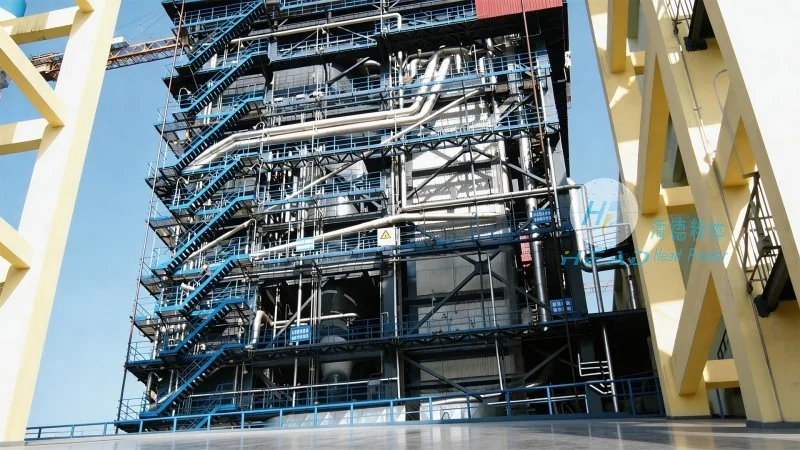
Dry limestone material pneumatic conveying systems are widely used in various industrial sectors, including cement production, chemical manufacturing, and food processing. In cement plants, limestone is a primary raw material, and pneumatic conveying systems are used to transport it from storage silos to the cement kilns. The systems ensure a continuous and reliable supply of limestone, which is crucial for maintaining the production rate and quality of cement. In chemical manufacturing, limestone is used as a raw material for producing calcium compounds, and the pneumatic conveying system helps in efficiently moving the material to the processing units. The system's ability to handle fine particles and prevent contamination makes it ideal for these applications.
In the food processing industry, limestone is used as a calcium supplement in various products, and the pneumatic conveying system ensures that the material is transported hygienically and without contamination. The system's design, which minimizes dust and particle loss, is particularly important in food processing environments where product purity is paramount. Additionally, the system's flexibility allows it to be integrated into existing production lines, reducing the need for major modifications to the plant layout.
The benefits of using dry limestone pneumatic conveying systems extend beyond just efficient material transport. These systems contribute to improved safety in industrial settings by reducing the need for manual handling of limestone, which can be a hazardous task due to the risk of dust inhalation and material spillage. The automated nature of the system also reduces the risk of human error, leading to more consistent and reliable operation. Furthermore, the systems help in reducing operational costs by minimizing material loss and energy consumption, which are significant factors in the overall cost of production.

 Shandong Headpowder Engineering Co., Ltd.
 156-6277-7102(Manager Zhang)
  0531-83386006
  Zhangqiu District, Jinan City, Shandong Province, China
telephone
WeChatconsult
top