With more than 10‑year industry experience, Shandong Headpowder delivers full‑service pneumatic‑conveying systems and blowers, undertaking nationwide turn‑key powder‑handling projects.
Ceramic material pneumatic conveying systems are essential in modern industrial processes, offering efficient and reliable methods for transporting fine or bulk ceramic powders and particles. Understanding the working principle and key features of these systems is crucial for industries such as ceramics manufacturing, where precise material handling is vital for product quality and production efficiency.
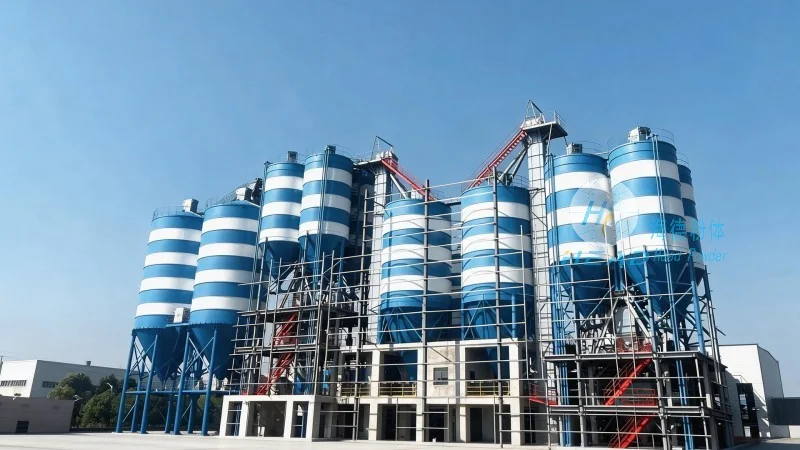
At the core of ceramic material pneumatic conveying is the use of air or gas to transport materials through a pipeline. The system typically operates by creating a pressure differential or using vacuum to move the material. There are two main types of pneumatic conveying: pressure and vacuum systems. Pressure systems use compressed air to push the material forward, while vacuum systems create a negative pressure to draw the material into the pipeline. For ceramic materials, which are often delicate and prone to dust, the choice of system depends on factors like material properties, particle size, and the distance of transport. The process begins with the ceramic material being fed into a hopper or feeder, where it is then introduced into the conveying line. Air is then introduced, either by a blower or compressor, to create the necessary flow. The material is carried along the pipeline by the air stream, often in a dilute phase (where particles are suspended in the air) or a dense phase (where particles are more closely packed). The design of the system, including the size of the pipeline, the velocity of the air, and the type of fittings, is critical to ensure effective and safe transport. For ceramic powders, which can be abrasive and generate dust, the system must be constructed from materials that resist wear and corrosion, such as stainless steel or specialized alloys. The working principle also involves controlling the flow rate and pressure to prevent material degradation or blockages. In summary, the pneumatic conveying process for ceramics relies on the interaction between air and material to achieve efficient transport, with careful engineering to handle the unique properties of ceramic powders.
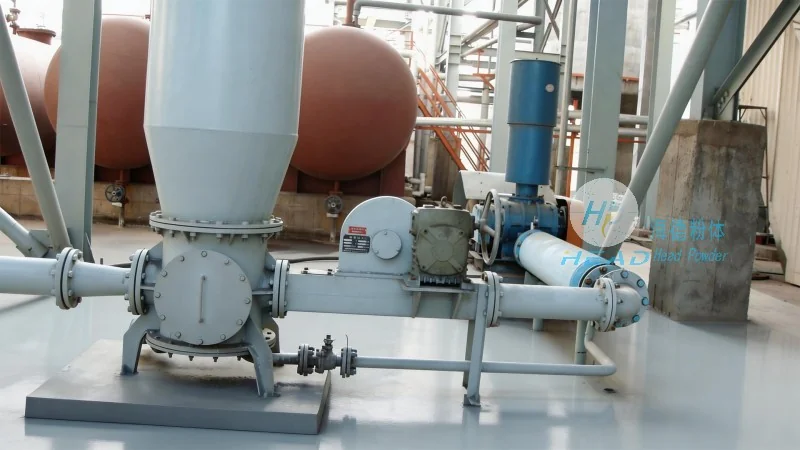
Ceramic material pneumatic conveying systems offer several advantages that make them ideal for industrial applications. One of the primary features is their ability to handle fine or abrasive materials without causing damage. Unlike mechanical conveyors, which can crush or degrade delicate ceramic particles, pneumatic systems use air to gently transport the material, preserving its quality and reducing the risk of contamination. Another key feature is the flexibility in system design. Pneumatic conveying can be adapted to various layouts, including straight lines, curves, and even vertical lifts, allowing for integration into existing production facilities. The systems are also relatively compact, requiring less floor space compared to traditional bulk handling equipment. Additionally, pneumatic conveying offers high transport speeds, which can significantly improve production throughput. For example, in ceramic manufacturing, where materials need to be moved quickly between processing stages, pneumatic systems can reduce cycle times and increase overall productivity. Safety is another important feature of these systems. By eliminating the need for mechanical components like belts or chains, pneumatic conveying reduces the risk of mechanical failure or accidents. The enclosed pipeline design also helps contain dust and prevent environmental contamination, which is crucial for compliance with industrial regulations. Furthermore, the systems are easy to clean and maintain, with features like self-cleaning pipelines and quick-disconnect fittings that simplify routine maintenance. The ability to handle a wide range of ceramic materials, from fine powders to larger particles, is also a notable feature. Whether transporting raw clay, glazes, or finished ceramic products, the system can be adjusted to accommodate different particle sizes and densities. This versatility makes pneumatic conveying a versatile solution for various ceramic processing applications. In conclusion, the key features of ceramic material pneumatic conveying systems include efficient material handling, preservation of material quality, flexibility in system design, high transport speeds, enhanced safety, and ease of maintenance. These attributes make them a preferred choice for industries that require reliable and effective transport of ceramic materials.
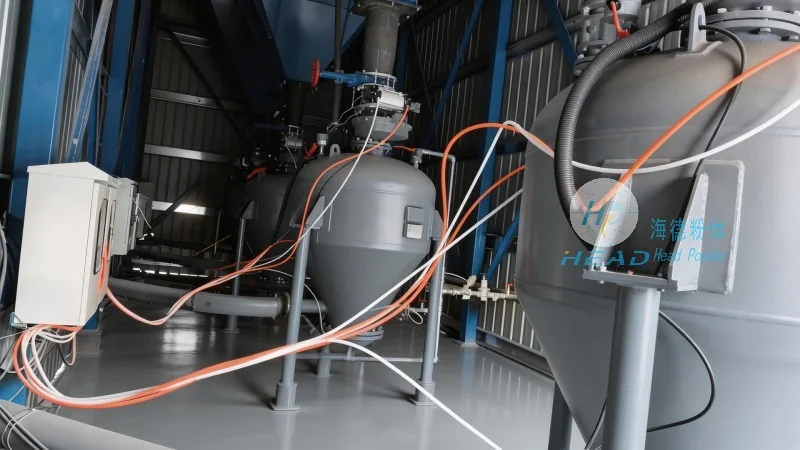
Shandong HeadPowder Engineering Co., Ltd., operating under the brand name headpowder, is a leading manufacturer of advanced material handling solutions, including ceramic material pneumatic conveying systems. With a focus on innovation and quality, the company has established itself as a trusted partner for industries requiring high-performance material transport solutions. HeadPowder's expertise lies in designing and manufacturing customized pneumatic conveying systems tailored to the specific needs of each client. The company's team of engineers and technicians work closely with customers to understand their production requirements and develop solutions that optimize efficiency and minimize downtime. HeadPowder utilizes state-of-the-art technology and materials in the construction of its systems, ensuring durability and reliability in demanding industrial environments. The company's commitment to customer satisfaction is reflected in its comprehensive after-sales support, including installation, training, and maintenance services. HeadPowder's facilities are equipped with advanced testing equipment to ensure that each system meets the highest standards of performance and safety. By adhering to strict quality control processes, the company guarantees that its products are built to last and deliver consistent results. HeadPowder's presence in China, with its headquarters in Shandong, positions it as a key player in the global material handling industry, providing solutions that meet both domestic and international market demands. The company's dedication to research and development ensures that it stays at the forefront of technological advancements, continuously improving its products to meet evolving industry needs. In summary, Shandong HeadPowder Engineering Co., Ltd. is a reputable and reliable supplier of ceramic material pneumatic conveying systems, offering tailored solutions and exceptional service to meet the diverse needs of its clients.

 Shandong Headpowder Engineering Co., Ltd.
 156-6277-7102(Manager Zhang)
  0531-83386006
  Zhangqiu District, Jinan City, Shandong Province, China
telephone
WeChatconsult
top