With more than 10‑year industry experience, Shandong Headpowder delivers full‑service pneumatic‑conveying systems and blowers, undertaking nationwide turn‑key powder‑handling projects.
Handling coke powder efficiently is a critical requirement in modern metallurgical and industrial operations. As a byproduct of the coking process, coke powder is essential for various applications, but its physical characteristics—such as high abrasiveness, tendency to absorb moisture, and potential for dust explosion—make transportation challenging. To address these complexities, specialized engineering solutions are required to ensure safety, efficiency, and environmental compliance. Shandong Headpowder Engineering Co., Ltd. has established itself as a premier provider in this field, offering advanced systems designed to streamline the movement of bulk materials. This article explores the various methods of coke powder transport, with a specific focus on the capabilities of Headpowder’s pneumatic conveying technology.
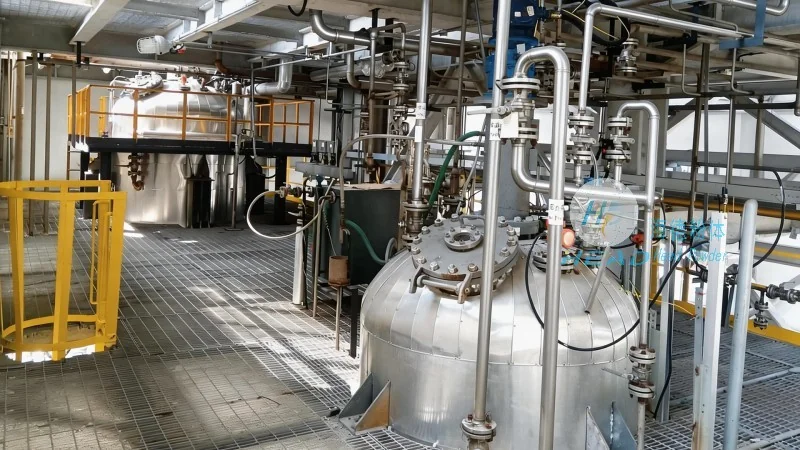
Transporting coke powder presents unique difficulties that standard conveyor systems may not easily resolve. The material is often fine and lightweight, which means it can easily become airborne, leading to potential safety hazards and regulatory fines regarding dust emissions. Furthermore, the abrasive nature of coke powder can wear down mechanical components rapidly, increasing maintenance costs and downtime. Traditional methods of transport often struggle to maintain a closed system, resulting in spillage and environmental contamination. Consequently, industries require robust solutions that can handle the material's specific properties while maintaining a clean and efficient workflow.
Among the various technologies available, coke powder pneumatic conveying stands out as one of the most effective solutions. This method utilizes air pressure or vacuum to move the material through a pipeline network from the source to the destination. Headpowder Engineering specializes in designing these systems to ensure minimal product degradation and maximum transport efficiency. By using a sealed pipeline, pneumatic conveying eliminates the risk of dust leakage, protecting both the operator and the surrounding environment. This technology is particularly suitable for transferring coke powder over long distances or to multiple collection points within a facility, offering a flexible and reliable alternative to mechanical systems.
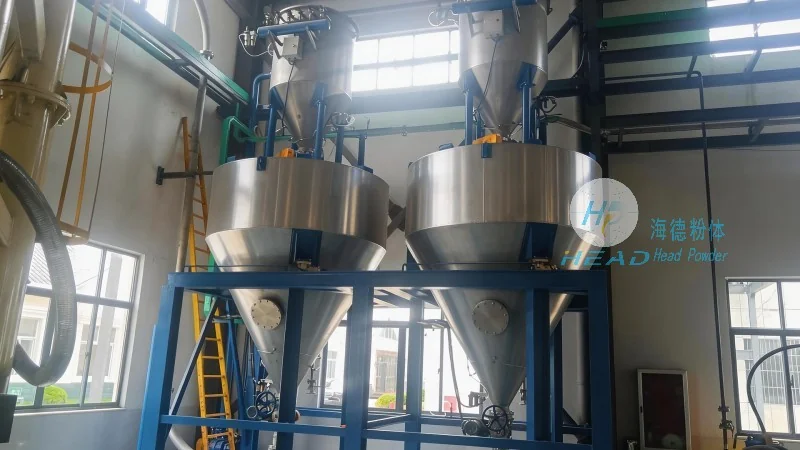
When considering coke powder transport, it is essential to evaluate the specific needs of the facility. While pneumatic systems offer superior dust control, mechanical transport methods such as screw conveyors or belt conveyors are often chosen for their robustness and suitability for shorter distances or higher capacities. Headpowder provides a comprehensive range of transport solutions, tailoring the system to the specific volume, distance, and layout of the plant. Whether the requirement is for a dense-phase system that protects the material from damage or a dilute-phase system for rapid transfer, Headpowder’s engineering team ensures that the chosen method optimizes energy consumption and operational stability.
Beyond the specific handling of coke, Headpowder is also a leader in general material conveying. The company understands that every industrial setup is unique, with varying requirements for throughput, material properties, and space constraints. Their engineering expertise extends to handling a wide array of bulk solids, ensuring that regardless of the material being moved, the system remains efficient and durable. This versatility allows clients to integrate a unified transport system across different stages of their production process, simplifying logistics and reducing the need for multiple, incompatible equipment types.
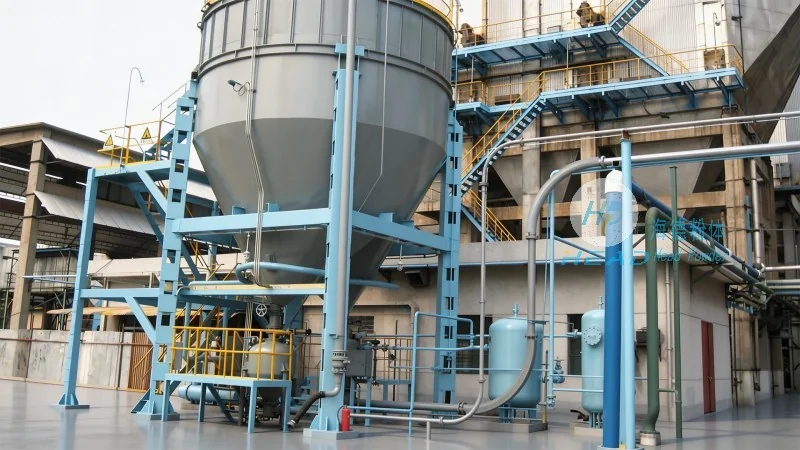
Headpowder is dedicated to providing high-quality engineering services that meet international standards. Located in Shandong, China, the company leverages local manufacturing capabilities combined with advanced design principles to deliver cost-effective and reliable transport systems. Their approach focuses on the lifecycle of the equipment, from initial design and installation to after-sales support and maintenance. By prioritizing customer needs and technical precision, Shandong Headpowder Engineering Co., Ltd. ensures that every project results in a system that performs reliably under demanding industrial conditions.
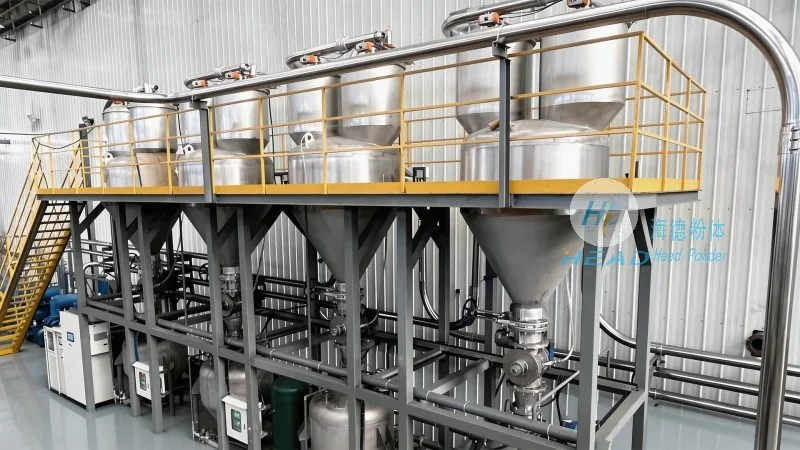
Choosing the right partner for material handling is crucial for long-term operational success. Headpowder differentiates itself through its deep understanding of powder mechanics and its commitment to innovation. The company’s team of engineers works closely with clients to analyze their specific challenges, providing customized solutions that address pain points such as blockages, wear, and energy inefficiency. With a strong focus on safety and environmental responsibility, Headpowder’s systems are designed to meet strict industry regulations while enhancing productivity.
For businesses seeking to optimize their material handling processes, professional guidance is invaluable. Shandong Headpowder Engineering Co., Ltd. is ready to assist with technical inquiries and project planning. To discuss your specific requirements or to receive a detailed proposal, please contact Manager Zhang. You can reach the team directly via WeChat at 15662777102. The Headpowder team is committed to providing the support and technical expertise needed to implement the most effective coke powder pneumatic conveying and transport solutions for your operation.

 Shandong Headpowder Engineering Co., Ltd.
 156-6277-7102(Manager Zhang)
  0531-83386006
  Zhangqiu District, Jinan City, Shandong Province, China
telephone
WeChatconsult
top