With more than 10‑year industry experience, Shandong Headpowder delivers full‑service pneumatic‑conveying systems and blowers, undertaking nationwide turn‑key powder‑handling projects.
For industrial applications involving the handling of PVC materials, pneumatic conveying systems offer an efficient and reliable solution. Understanding the working principle and key features of such systems is crucial for optimizing material transport processes. This article explores the fundamental mechanisms behind PVC material pneumatic conveying and highlights the advantages that make these systems a preferred choice in various industries.
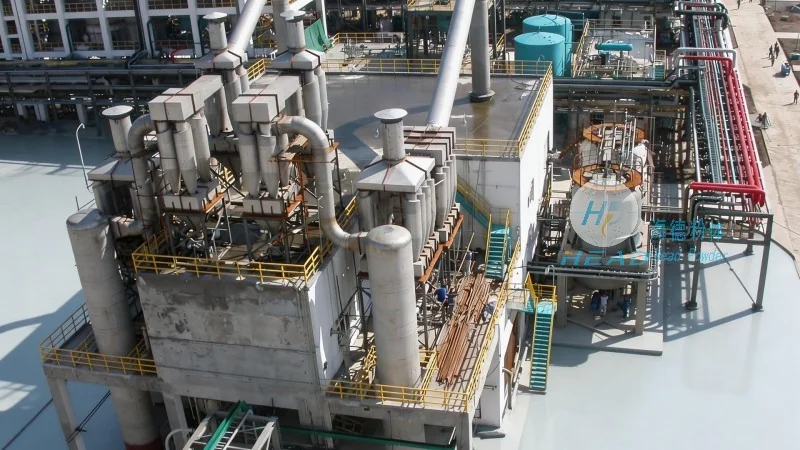
The core of a pneumatic conveying system lies in the use of compressed air or gas to transport solid materials like PVC particles through a pipeline. The system typically operates on one of two primary principles: suction (or vacuum) conveying or pressure conveying. In suction conveying, a vacuum is created at the material inlet to draw the PVC particles into the pipeline, where they are carried by the moving air stream to the discharge point. This method is ideal for short to medium distances and for materials that are not too heavy or abrasive. On the other hand, pressure conveying uses compressed air to push the PVC material through the pipeline, often requiring higher air pressures and more robust equipment. The choice between suction and pressure depends on factors like the distance to be covered, the material's properties, and the system's overall design.
Within the system, the PVC particles are suspended in the air stream, which allows for smooth and continuous transport. The air velocity is carefully controlled to ensure that the particles remain in suspension without settling or causing blockages. This suspension is achieved by maintaining a velocity that exceeds the terminal velocity of the PVC particles, preventing them from falling out of the air stream prematurely. The system may include components such as a hopper for material storage, a feeder to control the flow rate, a conveying line, and a receiver for the discharged material. Each component plays a vital role in the overall operation, ensuring that the PVC material is transported safely and efficiently from the source to the destination.
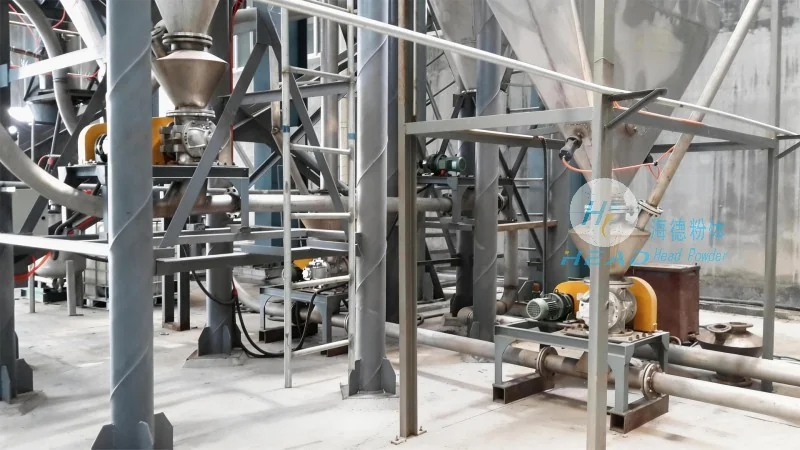
One of the most significant advantages of pneumatic conveying systems for PVC materials is their ability to handle a wide range of particle sizes and shapes. Whether the PVC particles are fine powders or larger granules, the system can accommodate them without the need for additional processing steps. This versatility makes it suitable for various applications, from plastic manufacturing to chemical processing. Another key feature is the system's cleanliness and hygienic nature. Unlike mechanical conveyors, which may introduce contaminants or cause material degradation, pneumatic systems keep the PVC material isolated from the environment, reducing the risk of contamination and ensuring product quality. Additionally, these systems are highly efficient in terms of energy consumption and space utilization. By using compressed air to transport materials, they eliminate the need for moving parts like belts or chains, reducing maintenance requirements and operational costs.
The system also offers flexibility in terms of layout and integration. It can be easily adapted to existing industrial setups, with the conveying line routed along the most efficient path to minimize distance and energy use. This adaptability is particularly beneficial in facilities where space is limited or where the material needs to be transported to multiple destinations. Furthermore, pneumatic conveying systems are capable of handling materials that are sensitive to moisture or air exposure, as the material remains enclosed within the pipeline throughout the transport process. This feature is crucial for PVC materials, which can degrade or become contaminated if exposed to air or moisture for extended periods.
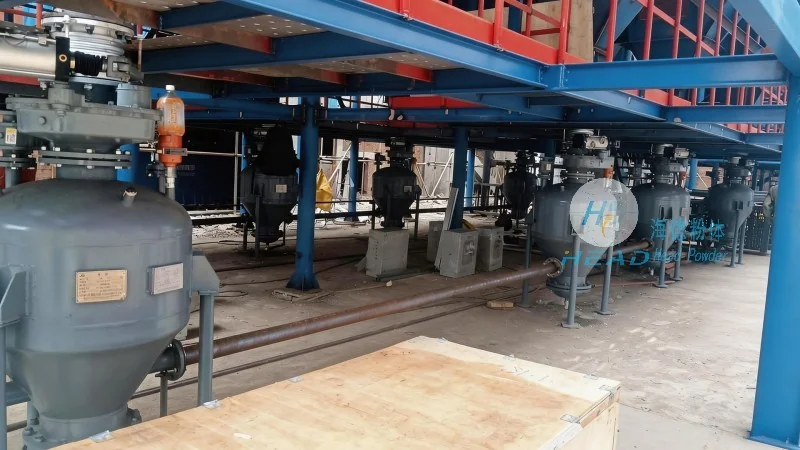
In industrial settings, the use of PVC material pneumatic conveying systems has proven to be highly effective in improving operational efficiency and product quality. For example, in the plastic manufacturing industry, these systems are used to transport PVC resin from storage silos to processing machines, ensuring a consistent and uninterrupted supply of raw material. The ability to handle fine PVC powders without clogging or degradation makes the system ideal for applications where precision and consistency are critical. In chemical processing facilities, pneumatic conveying is used to transport PVC additives and pigments, maintaining the integrity of these materials during transport. The system's ability to handle abrasive materials like PVC particles without causing wear and tear on the equipment also contributes to its long-term reliability and cost-effectiveness.
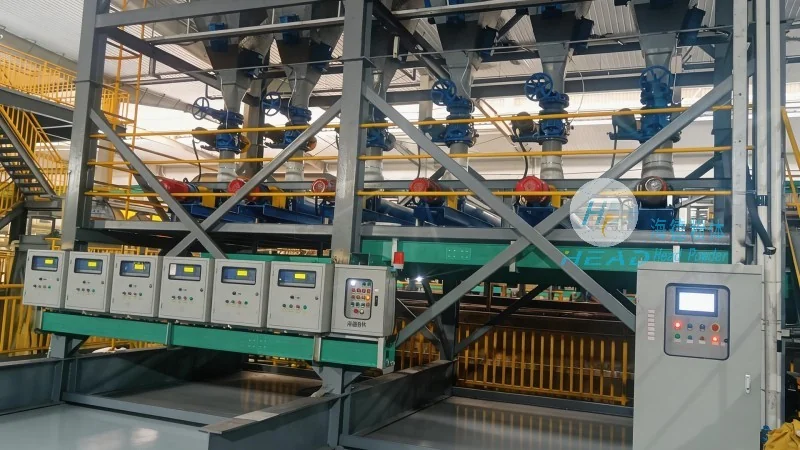
Another benefit of pneumatic conveying systems is their ability to integrate with other industrial processes. For instance, the system can be connected to a dust collection or filtration unit to capture any airborne particles, ensuring compliance with environmental regulations and maintaining a safe working environment. This integration enhances the overall functionality of the system and adds value to the industrial operation. Furthermore, the system's compact design allows for installation in areas where space is at a premium, making it a practical solution for facilities with limited floor space.
As a leading provider of engineering solutions for material handling, Shandong HeadPowder Engineering Co., Ltd. specializes in designing and manufacturing high-quality pneumatic conveying systems tailored to the needs of various industries. With years of experience in the field, the company has developed a deep understanding of material properties and system requirements, enabling them to deliver customized solutions that meet the specific demands of each client. HeadPowder's expertise lies in the integration of advanced technology with practical engineering, ensuring that their systems are not only efficient but also durable and cost-effective. The company's commitment to quality and customer satisfaction has earned it a reputation as a trusted partner in the industry, providing reliable solutions for material transport challenges. Based in Shandong, China, HeadPowder leverages its local resources and expertise to serve clients both domestically and internationally, offering comprehensive support from system design to installation and maintenance.

 Shandong Headpowder Engineering Co., Ltd.
 156-6277-7102(Manager Zhang)
  0531-83386006
  Zhangqiu District, Jinan City, Shandong Province, China
telephone
WeChatconsult
top