With more than 10‑year industry experience, Shandong Headpowder delivers full‑service pneumatic‑conveying systems and blowers, undertaking nationwide turn‑key powder‑handling projects.
Wood ash, a byproduct of biomass combustion, is widely used in agriculture, construction, and environmental remediation. Efficient and reliable transportation of this material is crucial for optimizing processing and application. Pneumatic conveying systems offer a solution, with two primary modes—positive pressure and negative pressure—each with distinct characteristics and applications. This article provides an in-depth analysis of these modes, focusing on their principles, advantages, and suitability for wood ash handling.
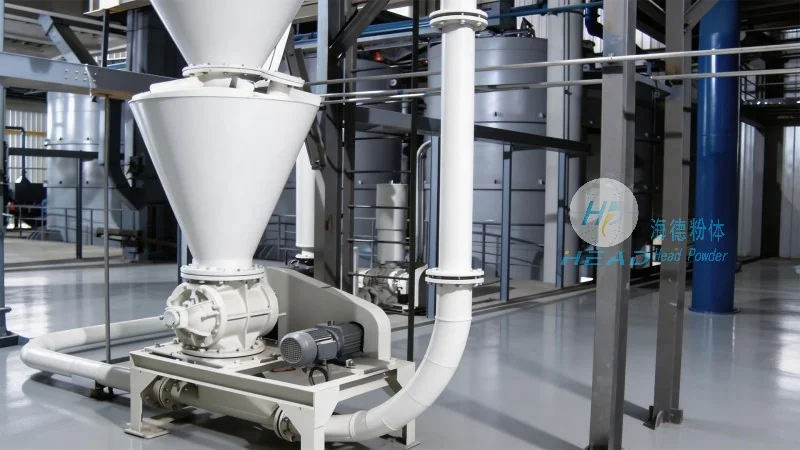
Pneumatic conveying uses air or gas to transport bulk materials through a pipeline. The system can operate under positive or negative pressure, depending on the direction of air flow relative to the material being conveyed. In positive pressure systems, air is forced into the system, carrying the material forward. In negative pressure systems, air is drawn out, creating a vacuum that pulls the material into the system.
Positive pressure systems are commonly used for wood ash transport due to their ability to handle abrasive materials and long distances. The system operates by blowing air into the pipeline, creating a pressure higher than the ambient air. This pressure propels the wood ash particles through the line. Key advantages include high conveying capacity, flexibility in system layout, and the ability to handle materials with high moisture content or dust. However, positive pressure systems require robust equipment to withstand the higher pressure and may generate more noise and require additional filtration to manage dust emissions.
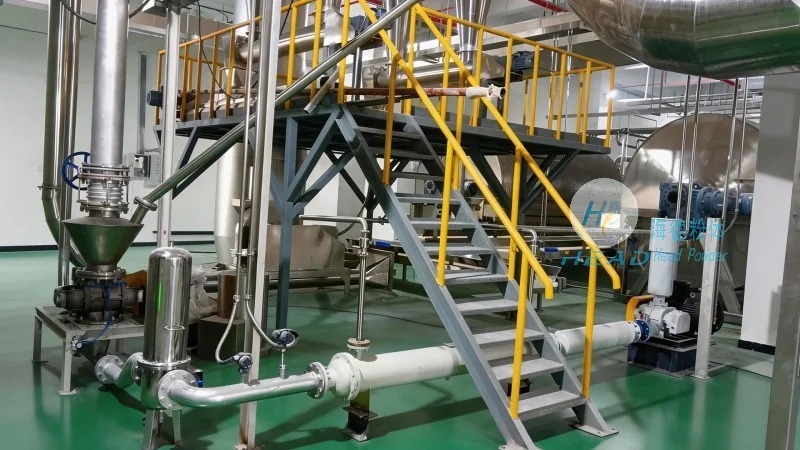
Negative pressure systems, also known as vacuum conveying, are suitable for applications where dust control is critical or where the material needs to be drawn from a source with limited access. The system creates a vacuum by drawing air out of the pipeline, pulling the wood ash particles into the system. This mode is often preferred for short to medium distances and for handling materials that are sensitive to pressure changes. Advantages include lower noise levels, reduced risk of material spillage, and better control over dust emissions. However, negative pressure systems have lower conveying capacities compared to positive pressure systems and may require more maintenance to prevent clogging in the vacuum pump and pipeline.
When selecting a pneumatic conveying system for wood ash, it is essential to consider several factors, including the distance to be covered, the volume of material to be conveyed, the material's physical properties (such as particle size and moisture content), and the need for dust control. Positive pressure systems are generally more suitable for long-distance transport and high-volume applications, while negative pressure systems are better for short distances and applications requiring strict dust control. The choice also depends on the initial investment and operational costs, as positive pressure systems may have higher energy consumption due to the need to generate higher air pressure.
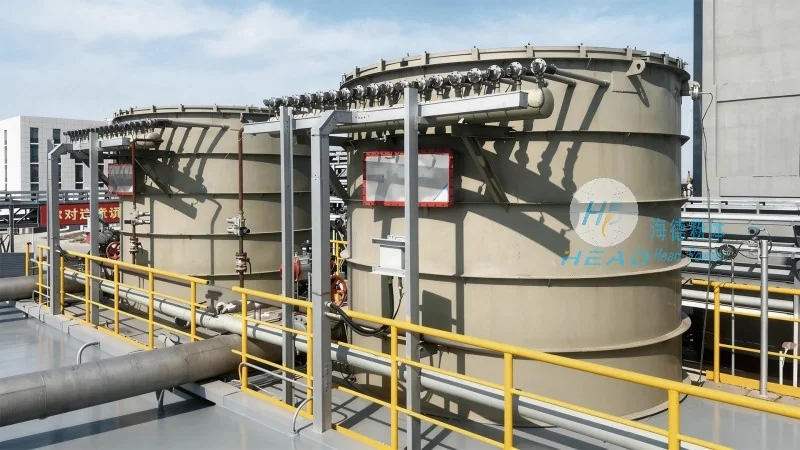
Wood ash is often used as a soil amendment, a raw material in cement production, or as a component in construction materials. The choice of pneumatic conveying mode influences the efficiency of these applications. For example, in agricultural use, where large volumes of ash need to be transported over long distances, a positive pressure system may be more efficient. In environmental remediation projects, where dust control is paramount, a negative pressure system might be preferred. The system's design, including the type of pipeline, air velocity, and filter system, must be optimized to ensure reliable operation and minimal material loss.
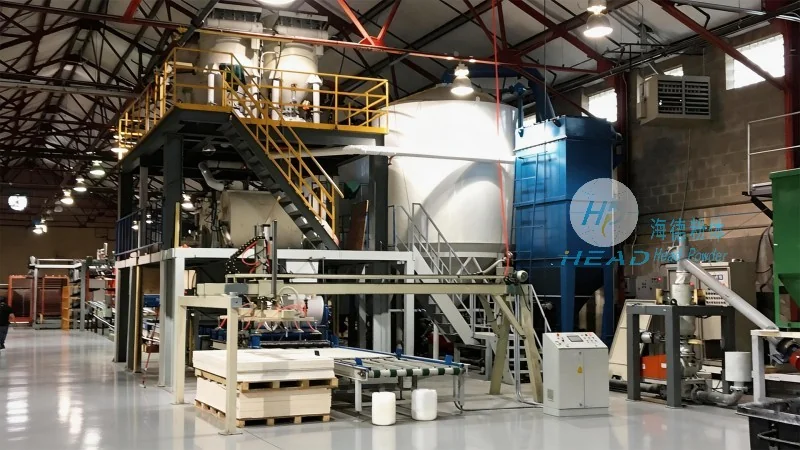
Shandong HeadPowder Engineering Co., Ltd., a leading provider of pneumatic conveying solutions, specializes in designing and manufacturing systems tailored to the unique needs of wood ash handling. With years of experience in the industry, the company offers customized solutions that integrate positive and negative pressure technologies to meet specific operational requirements. HeadPowder's expertise includes material testing, system design, and installation, ensuring that clients receive efficient and reliable equipment that enhances productivity and reduces operational costs.
The selection of positive or negative pressure pneumatic conveying for wood ash depends on a combination of operational, environmental, and economic factors. Positive pressure systems offer higher capacity and flexibility for long-distance transport, while negative pressure systems excel in dust control and short-distance applications. By understanding the characteristics of each mode and considering the specific requirements of the wood ash handling process, operators can choose the most suitable system to optimize performance and efficiency. Shandong HeadPowder Engineering Co., Ltd. provides comprehensive solutions and expertise to help clients implement effective pneumatic conveying systems for their wood ash applications.

 Shandong Headpowder Engineering Co., Ltd.
 156-6277-7102(Manager Zhang)
  0531-83386006
  Zhangqiu District, Jinan City, Shandong Province, China
telephone
WeChatconsult
top