With more than 10‑year industry experience, Shandong Headpowder delivers full‑service pneumatic‑conveying systems and blowers, undertaking nationwide turn‑key powder‑handling projects.
HeadPowder, a leading engineering company based in Shandong, China, specializes in the design and implementation of pneumatic conveying systems for granular fertilizer materials. This article explores the fundamental working principles and key characteristics of such systems, providing a comprehensive overview for industry professionals and potential clients.
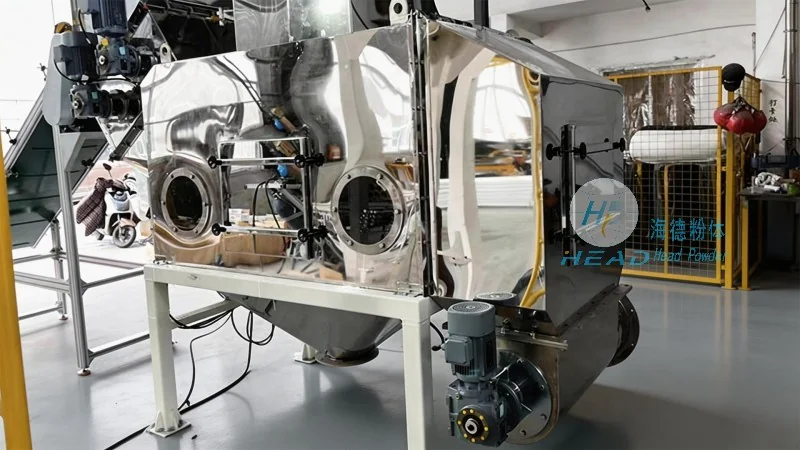
The core working principle of pneumatic conveying for fertilizer granular materials involves the use of a pressurized or vacuum air stream to transport solid particles through a pipeline. In a typical system, the fertilizer granules are fed into a hopper or feeder, where they are then drawn or pushed into a conveying line by the moving air. The air velocity is carefully controlled to ensure that the particles remain suspended and move efficiently without causing blockages or excessive wear on the system components. This method eliminates the need for mechanical components like belts or screws, reducing maintenance requirements and operational costs.
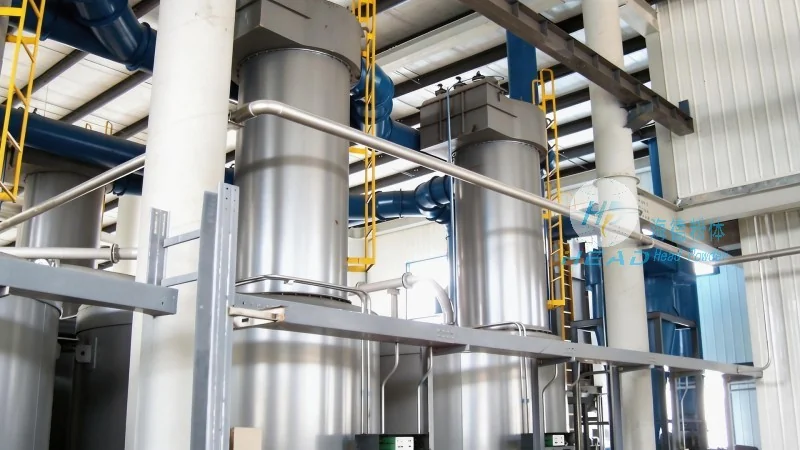
Several distinct characteristics make pneumatic conveying an attractive option for fertilizer handling. Firstly, it offers a high degree of flexibility in terms of system layout, as the conveying lines can be arranged in various configurations to suit different plant layouts. Secondly, the system provides excellent dust control, which is crucial for maintaining a safe and clean working environment in fertilizer processing facilities. Thirdly, the process is highly efficient, with minimal material loss and reduced energy consumption compared to traditional methods. Additionally, the equipment is relatively simple, with fewer moving parts, leading to lower maintenance and operational expenses. Another notable characteristic is the ability to handle a wide range of particle sizes and densities, making it suitable for various types of fertilizers, including nitrogen, phosphorus, and potassium compounds.
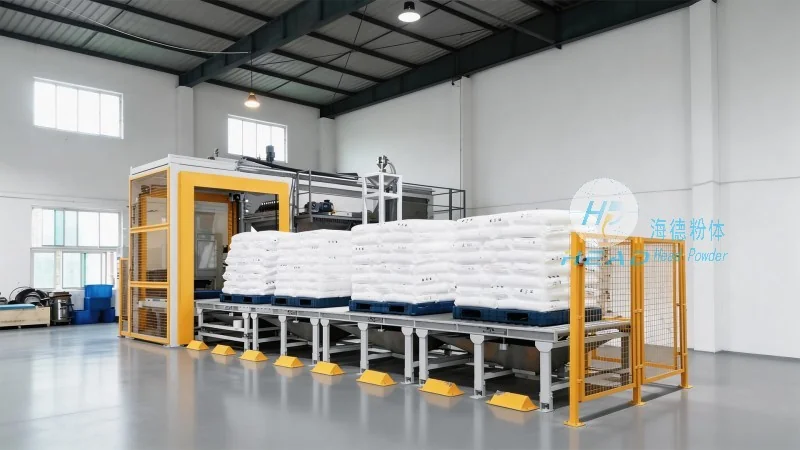
Implementing pneumatic conveying systems in fertilizer production brings several advantages. The primary benefit is the reduction in labor costs due to the automated nature of the process. The system also enhances safety by minimizing human exposure to dust and hazardous materials. Furthermore, the technology allows for better process control, enabling precise dosing and mixing of different fertilizer components. However, there are also considerations to keep in mind. For instance, the initial investment cost can be higher compared to some traditional systems, and the system requires careful design to prevent air leaks and maintain consistent air pressure. Additionally, the selection of appropriate air velocities and pipeline diameters is critical to ensure efficient and reliable operation. HeadPowder, with its expertise in engineering and material handling, can provide tailored solutions that address these considerations and optimize the performance of pneumatic conveying systems for fertilizer applications.

 Shandong Headpowder Engineering Co., Ltd.
 156-6277-7102(Manager Zhang)
  0531-83386006
  Zhangqiu District, Jinan City, Shandong Province, China
telephone
WeChatconsult
top