With more than 10‑year industry experience, Shandong Headpowder delivers full‑service pneumatic‑conveying systems and blowers, undertaking nationwide turn‑key powder‑handling projects.
Pepper, as a common spice with high economic value and wide application in the food industry, requires efficient and hygienic transportation methods during processing and packaging. Pneumatic conveying technology has become a key solution for handling pepper and other similar bulk materials. This article introduces the working principle of pepper pneumatic conveying, its main classification methods, and practical application scenarios, providing a comprehensive overview for industry users.
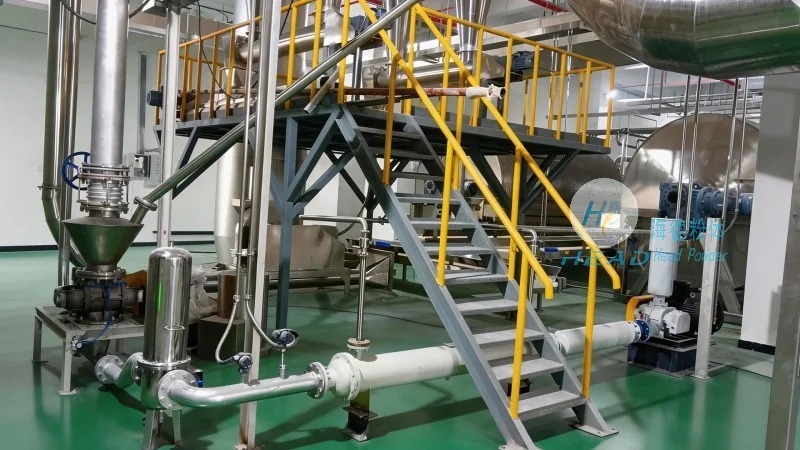
Pneumatic conveying, also known as air conveying, is a method that uses compressed air or vacuum to transport bulk materials through a pipeline system. The core working principle involves creating a pressure difference between the conveying pipeline and the ambient environment. In the case of pepper pneumatic conveying, the system typically includes a material hopper, a conveying pipeline, a fan or vacuum pump, and a dust collection system. When the system operates, the fan generates high-pressure air or the vacuum pump creates a negative pressure environment. The pepper is then fed into the pipeline through the hopper, and the air flow carries the pepper particles along the pipeline to the destination. The dust collection system is used to filter out dust and ensure the material is transported in a clean state.
Pneumatic conveying systems for pepper are mainly divided into two categories: positive pressure conveying and negative pressure conveying. Each type has its own characteristics and is suitable for different application scenarios.
1. Positive Pressure Conveying System: This system uses a fan to supply compressed air into the conveying pipeline, creating a positive pressure environment. The pepper is drawn into the pipeline by the air flow. The main advantages of positive pressure systems include high conveying capacity, stable operation, and the ability to handle materials with higher moisture content or larger particle sizes. However, they require higher energy consumption and may generate more noise. In pepper processing, positive pressure systems are commonly used for long-distance or large-scale transportation, such as from the production line to the warehouse.
2. Negative Pressure Conveying System: This system uses a vacuum pump to create a negative pressure environment in the pipeline. The pepper is sucked into the pipeline by the pressure difference. The main advantages of negative pressure systems include lower energy consumption, lower noise levels, and better suitability for handling fine powders or materials that are prone to dust. However, they have lower conveying capacity compared to positive pressure systems and are more suitable for short-distance or small-scale transportation. In pepper processing, negative pressure systems are often used for conveying from the packaging line to the storage area or for handling fine pepper powders.
The efficiency and reliability of pepper pneumatic conveying depend on the proper design and operation of several key components.
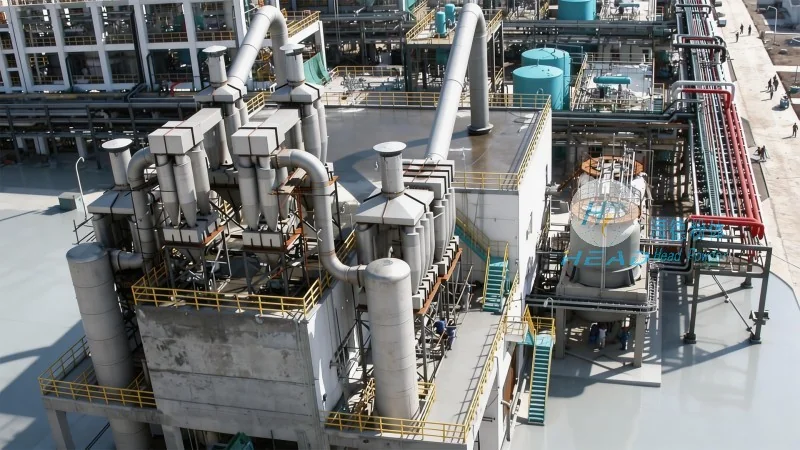
1. Material Hopper: The hopper is used to store the pepper and feed it into the conveying pipeline. It is usually equipped with a feeder, such as a rotary valve or a screw feeder, to control the material flow rate. The hopper design needs to ensure that the pepper is evenly distributed and does not cause blockages.
2. Conveying Pipeline: The pipeline is the main channel for transporting the pepper. It is typically made of stainless steel or other corrosion-resistant materials to meet hygiene requirements. The pipeline diameter and length are designed according to the conveying capacity and distance. Proper pipeline layout and sealing are crucial to prevent material leakage and ensure stable conveying.
3. Fan or Vacuum Pump: The fan or vacuum pump provides the necessary air flow or negative pressure. The selection of the fan or pump depends on the conveying system type and the material characteristics. High-efficiency and low-noise equipment is preferred to reduce energy consumption and noise pollution.
4. Dust Collection System: The dust collection system is used to filter out dust and particles from the air flow. It typically includes a cyclone separator and a filter bag or cartridge. The collected dust is then returned to the material hopper or disposed of according to regulations. The dust collection system is essential for maintaining the cleanliness of the conveying system and protecting the environment.
Pneumatic conveying technology is widely used in the pepper processing industry due to its advantages such as hygiene, efficiency, and flexibility. The following are some common application scenarios and the benefits they bring.
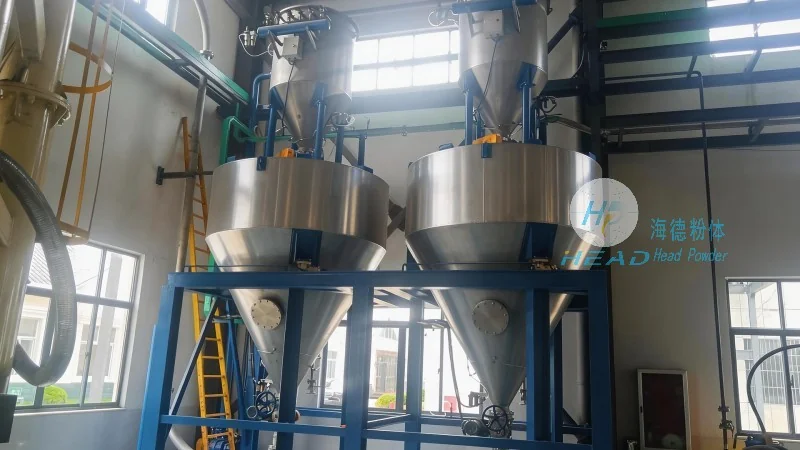
1. From Production Line to Warehouse: In large-scale pepper processing plants, the pepper is often transported from the production line to the warehouse for storage. Pneumatic conveying systems can handle large volumes of pepper over long distances, reducing the need for manual handling and improving production efficiency.
2. From Warehouse to Packaging Line: The pepper is then conveyed from the warehouse to the packaging line. The system can be designed to match the packaging speed, ensuring a smooth material supply. The hygienic design of the system also meets the requirements of food processing.
3. Handling Fine Pepper Powders: For pepper products such as pepper powder or pepper extract, negative pressure conveying systems are often used. These systems can effectively handle fine powders without causing dust scattering, ensuring product quality and safety.
4. Hygienic and Clean Operation: Pneumatic conveying systems are enclosed, which prevents the material from coming into contact with the external environment and reduces the risk of contamination. The stainless steel components and sealed pipeline design meet the hygiene standards of the food industry.
Shandong HeadPowder Engineering Co., Ltd., with the company abbreviation "headpowder", is a professional manufacturer and supplier of pneumatic conveying equipment. The company is located in Shandong, China. With years of experience in the industry, HeadPowder has developed a series of pneumatic conveying systems tailored for pepper and other bulk materials. The company focuses on providing high-quality, reliable, and efficient solutions to meet the diverse needs of the food processing industry. The products are designed according to international standards and are widely used in pepper processing plants, spice factories, and other related industries.

 Shandong Headpowder Engineering Co., Ltd.
 156-6277-7102(Manager Zhang)
  0531-83386006
  Zhangqiu District, Jinan City, Shandong Province, China
telephone
WeChatconsult
top