With more than 10‑year industry experience, Shandong Headpowder delivers full‑service pneumatic‑conveying systems and blowers, undertaking nationwide turn‑key powder‑handling projects.
HeadPowder, a leading provider of engineering solutions in China, specializes in pneumatic conveying systems tailored for handling sawdust and husk powders. This article explores the fundamental working principles and key characteristics of such systems, offering insights into their operational efficiency and practical applications.
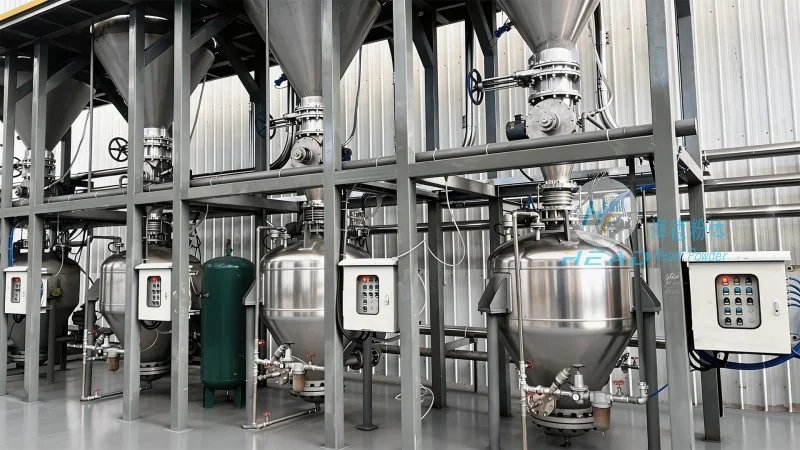
Pneumatic conveying is a method of transporting bulk materials like sawdust and husk powders through a pipeline using air or gas as the conveying medium. Unlike traditional mechanical systems, this technology eliminates the need for moving parts in the conveying line, reducing maintenance requirements and enhancing safety. The systems are widely adopted in industries dealing with fine powders due to their ability to handle delicate materials without causing degradation or contamination.
At the core of these systems is the use of air pressure to move the material through a sealed pipeline. There are primarily two types of pneumatic conveying systems: positive pressure and negative pressure (or vacuum) systems. Positive pressure systems generate air pressure at the material inlet, pushing the powder through the pipeline. This method is suitable for long-distance and high-capacity conveying, as it can maintain consistent pressure and flow rates. Negative pressure systems, on the other hand, create a vacuum at the material outlet, drawing the powder into the pipeline. These systems are ideal for applications requiring dust control and material recovery from the environment.
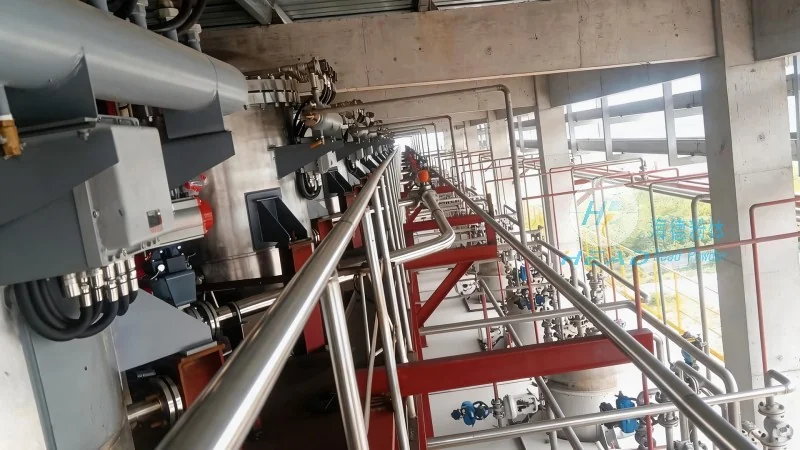
For sawdust and husk powders, the selection of a system depends on factors such as the material's moisture content, particle size, and the required conveying distance. The process typically involves a hopper or feeder that feeds the material into the pipeline, where it is mixed with air. The air-powder mixture then travels through the pipeline to the destination, such as a silo or processing unit. The system's efficiency is determined by the air velocity, which must be sufficient to keep the powder suspended but not so high as to cause excessive energy consumption or material degradation.
Several distinct characteristics make pneumatic conveying an attractive option for handling sawdust and husk powders:
Efficiency and Capacity: Modern systems can achieve high conveying capacities, often ranging from several tons per hour to over 100 tons per hour, depending on the system design and material properties. This efficiency is crucial for industrial applications where large volumes of material need to be transported quickly and reliably.
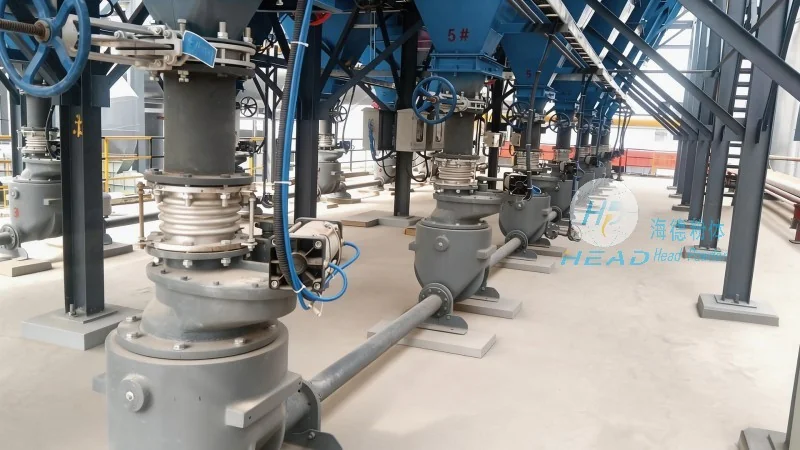
Low Maintenance and Durability: By eliminating mechanical components like belts, screws, or buckets, pneumatic systems reduce the risk of wear and tear, leading to lower maintenance costs and longer service life. The sealed pipeline also protects the material from external contaminants, ensuring product quality.
Environmental Benefits: Pneumatic conveying systems are designed to minimize dust emissions, contributing to a cleaner working environment. Many models include dust collection and filtration systems that capture and recycle fine particles, reducing waste and complying with environmental regulations.
Flexibility and Adaptability: These systems can be easily integrated into existing production lines and adapted to various conveying requirements. They can handle different material types, including sawdust, husk, and other agricultural or industrial powders, making them versatile for diverse applications.
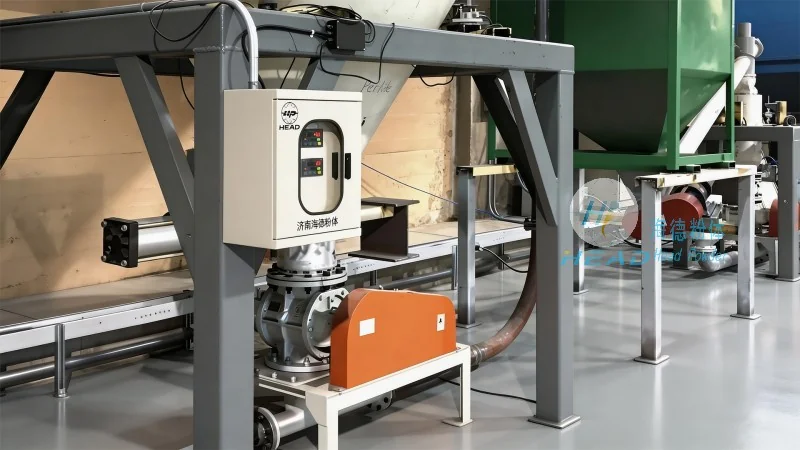
The application of pneumatic conveying systems for sawdust and husk powders has a significant impact on industries such as woodworking, agriculture, and bioenergy. In woodworking, these systems efficiently transport sawdust from sawmills to storage facilities or processing units, supporting the production of wood pellets and other wood-based products. In agriculture, they help manage husk and other crop residues, contributing to sustainable waste management and resource utilization.
For bioenergy companies, pneumatic conveying is essential for transporting biomass materials to biomass boilers or gasifiers, ensuring a steady supply of fuel for energy generation. The technology's ability to handle fine powders without degradation is particularly valuable in these applications, as it preserves the material's energy content and quality.

 Shandong Headpowder Engineering Co., Ltd.
 156-6277-7102(Manager Zhang)
  0531-83386006
  Zhangqiu District, Jinan City, Shandong Province, China
telephone
WeChatconsult
top