With more than 10‑year industry experience, Shandong Headpowder delivers full‑service pneumatic‑conveying systems and blowers, undertaking nationwide turn‑key powder‑handling projects.
Intelligent material handling systems have become a cornerstone in modern industrial operations, offering enhanced efficiency, precision, and adaptability in managing material flow. These systems integrate advanced technologies such as automation, artificial intelligence, and real-time data analytics to optimize logistics processes. Understanding their working principles and key features is crucial for businesses seeking to improve operational performance and reduce costs.
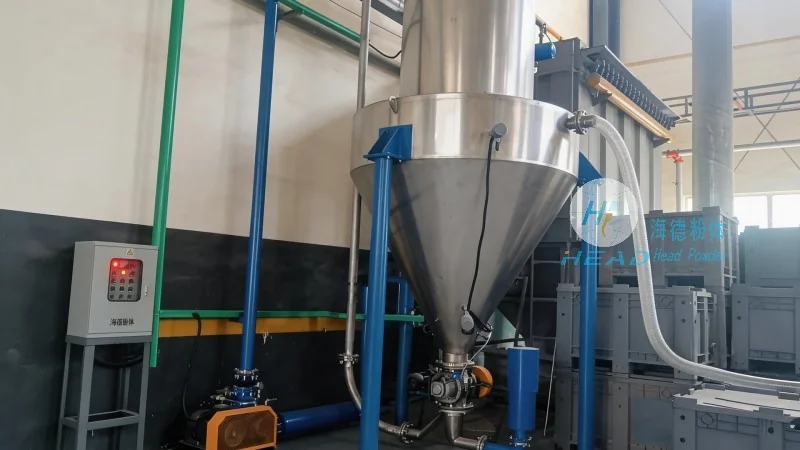
Shandong HeadPowder Engineering Co., Ltd., commonly known as HeadPowder, is a leading provider of intelligent material handling solutions. With its headquarters in Shandong, China, the company specializes in designing, manufacturing, and implementing customized material handling systems tailored to diverse industrial needs. HeadPowder leverages over a decade of expertise in automation and logistics to deliver reliable and efficient solutions for clients across various sectors.
The core working principle of intelligent material handling systems revolves around the integration of automated equipment and intelligent control mechanisms. These systems typically consist of several interconnected components, including automated guided vehicles (AGVs), robotic arms, conveyor systems, and advanced sensors. The system operates by receiving real-time data from production lines or warehouse management systems (WMS), which are then processed by a central control unit. This unit uses algorithms to optimize material movement, ensuring that items are transported efficiently from one location to another while minimizing downtime and errors.
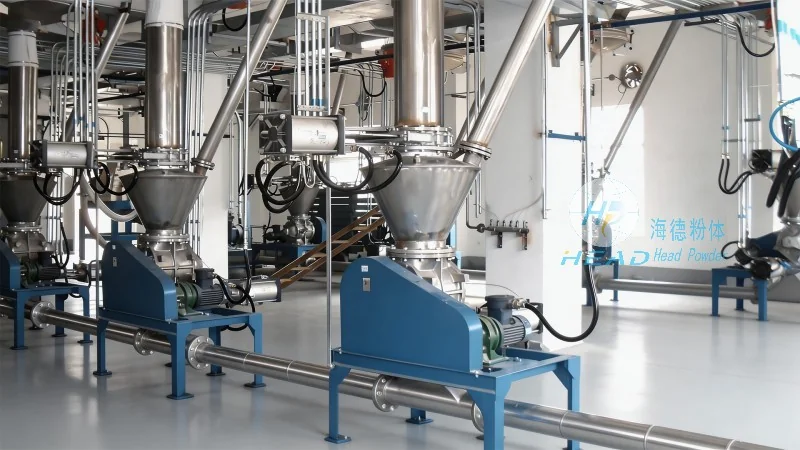
Key to the functionality is the use of real-time tracking and monitoring. Sensors placed along the conveyor or on individual items provide continuous data on position, speed, and status. This information is fed into the control system, enabling dynamic adjustments to the material flow. For instance, if a bottleneck is detected, the system can reroute materials to alternative paths or increase the speed of certain segments to maintain overall throughput. Additionally, the integration of artificial intelligence allows the system to learn from past operations, improving its decision-making over time and adapting to changing production demands.
Intelligent material handling systems are distinguished by several critical features that enhance their performance and versatility. One of the primary features is automation, which reduces the need for manual labor in material transport, thereby minimizing human error and increasing operational speed. The systems are also highly customizable, allowing businesses to adapt them to specific workflows, whether in manufacturing, warehousing, or distribution centers.
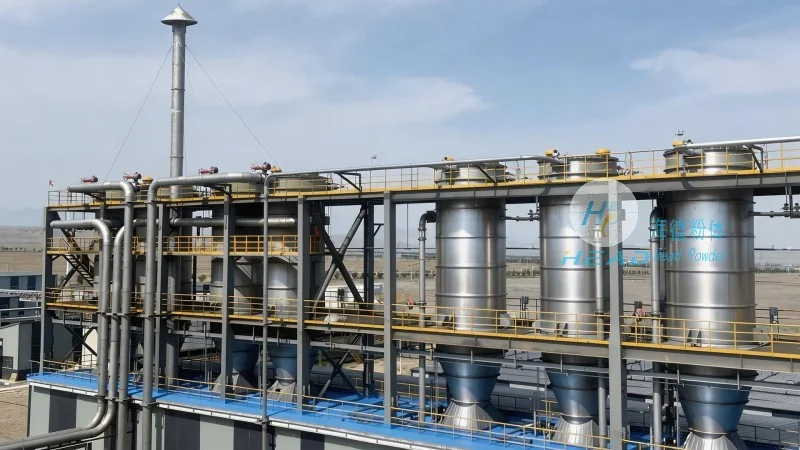
Another significant feature is the integration of real-time data analytics. By collecting and analyzing data from various components, the system provides insights into operational efficiency, identifying areas for improvement and enabling proactive maintenance. This predictive maintenance capability helps prevent equipment failures, reducing downtime and maintenance costs. Furthermore, the systems are designed for scalability, allowing businesses to expand their operations without significant modifications to the material handling infrastructure.
Connectivity is another essential feature, as these systems often integrate with enterprise resource planning (ERP) and warehouse management systems (WMS). This integration ensures seamless communication between different parts of the supply chain, from production to distribution. The result is a more cohesive and efficient operation, where material flow is coordinated across all stages of the process. Finally, the systems are built with safety in mind, incorporating features such as collision avoidance sensors and emergency stop mechanisms to protect both personnel and equipment.
The implementation of intelligent material handling systems offers numerous benefits to businesses. By streamlining material movement, these systems can significantly reduce lead times and improve order fulfillment rates. The automation aspect also leads to cost savings, as fewer labor hours are required for material transport. Additionally, the real-time monitoring and analytics capabilities enable better decision-making, allowing managers to optimize operations and respond quickly to changes in demand.
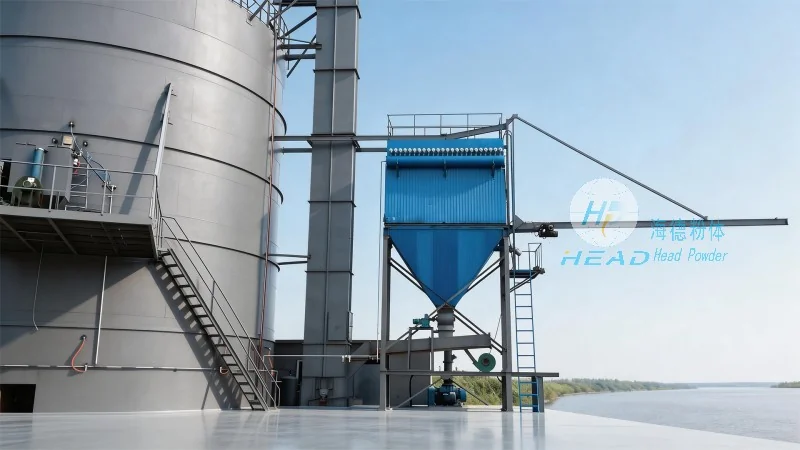
These systems are widely applied in various industries, including manufacturing, logistics, and retail. In manufacturing, they are used to transport raw materials to production lines and finished products to storage areas. In logistics and warehousing, intelligent systems enhance the efficiency of order picking, packing, and shipping processes. Retailers also benefit from these systems by improving inventory management and reducing the time it takes to restock shelves.
As industries continue to evolve, the demand for intelligent material handling systems is expected to grow. The ability of these systems to adapt to changing conditions and integrate with emerging technologies makes them a valuable asset for any business looking to stay competitive. By understanding the working principles and features of such systems, businesses can make informed decisions about implementing them, ultimately enhancing their operational efficiency and competitiveness in the market.

 Shandong Headpowder Engineering Co., Ltd.
 156-6277-7102(Manager Zhang)
  0531-83386006
  Zhangqiu District, Jinan City, Shandong Province, China
telephone
WeChatconsult
top