With more than 10‑year industry experience, Shandong Headpowder delivers full‑service pneumatic‑conveying systems and blowers, undertaking nationwide turn‑key powder‑handling projects.
Seaweed residue, a byproduct of marine biomass processing, presents significant challenges in handling and transportation due to its granular nature and potential moisture content. The development of specialized material handling equipment is crucial for efficient processing and utilization of this resource. This article provides an in-depth look at the operation process and working principle of a pellet material handling system designed for seaweed residue, highlighting its key components, operational workflow, and technical advantages.
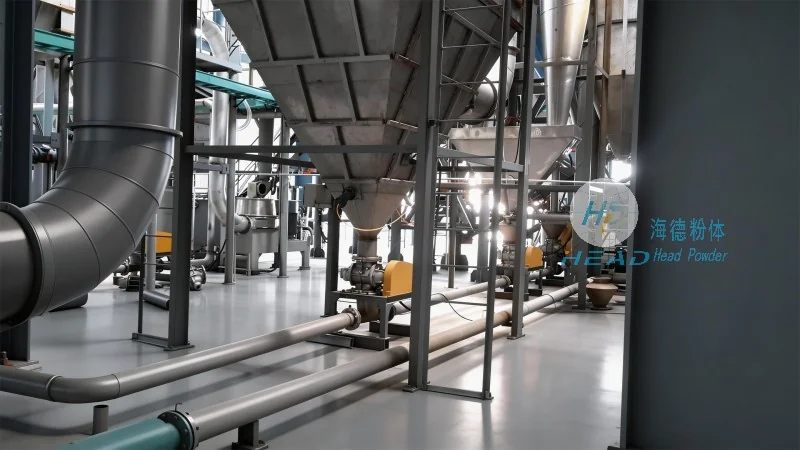
HeadPowder, a leading engineering firm based in Shandong, China, specializes in the design and manufacturing of advanced material handling solutions. With a strong focus on sustainability and innovation, the company has developed state-of-the-art equipment tailored to the unique requirements of biomass processing industries. The expertise and experience of HeadPowder engineers ensure that their systems are reliable, efficient, and adaptable to various operational conditions.
The material handling system for seaweed residue pellets typically consists of several integrated components that work in concert to ensure smooth and continuous operation. These components include a hopper for raw material storage, a feeder mechanism to control the flow rate, a conveyor system for transporting the pellets, and a control panel for monitoring and adjusting the process parameters. Each component is engineered to handle the specific characteristics of seaweed residue, such as its density, moisture content, and potential stickiness, ensuring optimal performance.
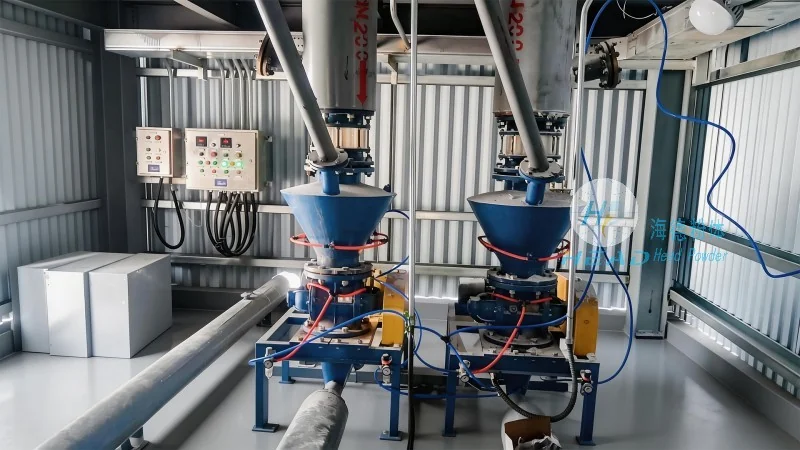
The operation of the seaweed residue pellet material handling equipment follows a systematic workflow that begins with the loading of raw seaweed residue into the hopper. The feeder then regulates the material flow, feeding the pellets into the conveyor system at a controlled rate. The conveyor transports the pellets to the processing or storage area, where they are further handled as needed. The control panel allows operators to monitor key parameters such as flow rate, pressure, and temperature, enabling real-time adjustments to maintain consistent performance. This process ensures that the material is handled efficiently and safely, minimizing downtime and maximizing throughput.
The working principle of the system relies on a combination of mechanical and control technologies to achieve precise material handling. The hopper is designed with a sloped bottom to facilitate gravity-driven material flow, reducing the need for excessive mechanical force. The feeder uses a screw or belt mechanism to regulate the flow rate, ensuring a steady supply of pellets to the conveyor. The conveyor system, often equipped with a variable speed drive, transports the pellets horizontally or at an incline, depending on the layout of the processing facility. The control panel integrates sensors and actuators to monitor and adjust the system's performance, providing feedback on operational conditions and enabling automated adjustments to maintain optimal efficiency.
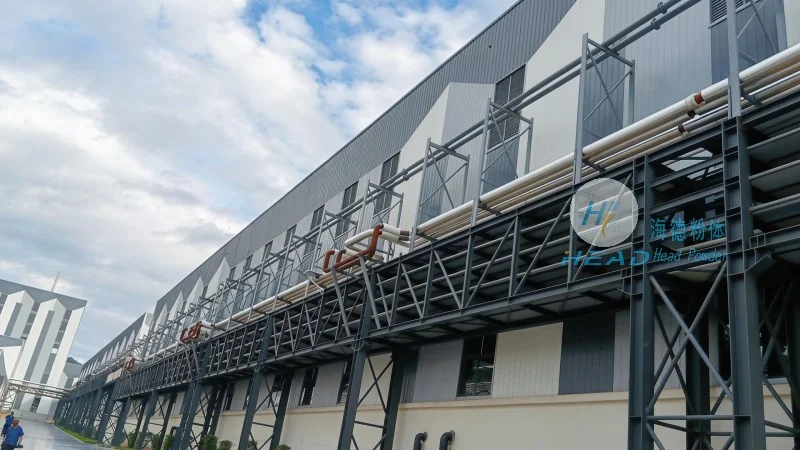
The seaweed residue pellet material handling equipment offers several technical advantages that make it suitable for various industrial applications. Its robust design ensures durability and long-term performance, even under harsh operating conditions. The system's ability to handle moisture-rich materials without clogging or degradation is particularly valuable in biomass processing. Additionally, the adjustable flow rates and control capabilities allow for flexibility in adapting to different production volumes and processing requirements. These features make the equipment ideal for use in seaweed processing plants, biofuel production facilities, and other industries that rely on efficient handling of biomass residues.
In conclusion, the operation process and working principle of the seaweed residue pellet material handling equipment developed by Shandong HeadPowder Engineering Co., Ltd. represent a significant advancement in material handling technology for marine biomass processing. By integrating advanced mechanical and control systems, the equipment ensures efficient, reliable, and sustainable handling of seaweed residue, supporting the broader goals of renewable energy and resource utilization. With its robust design and adaptability, this system is a valuable asset for industries seeking to optimize their biomass processing operations.

 Shandong Headpowder Engineering Co., Ltd.
 156-6277-7102(Manager Zhang)
  0531-83386006
  Zhangqiu District, Jinan City, Shandong Province, China
telephone
WeChatconsult
top