With more than 10‑year industry experience, Shandong Headpowder delivers full‑service pneumatic‑conveying systems and blowers, undertaking nationwide turn‑key powder‑handling projects.
For industries dealing with sawdust and other fine particle materials, efficient material handling is crucial for operational efficiency and product quality. This article explores the working principle and key features of sawdust particle material transport systems, providing insights into how these systems operate and their advantages in industrial applications.
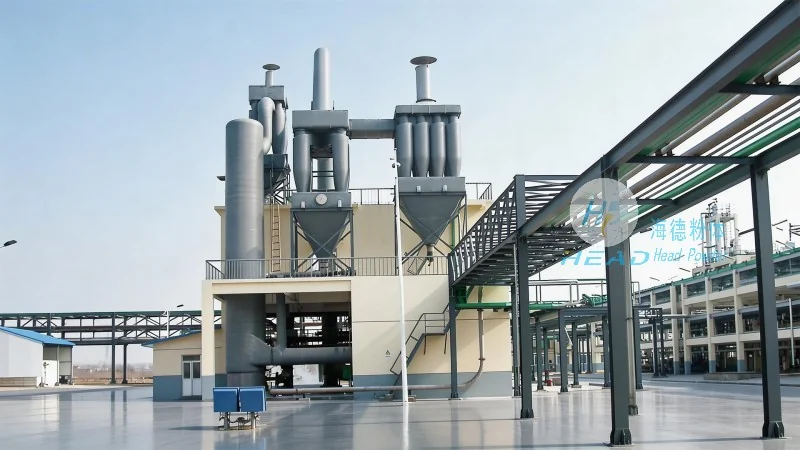
Sawdust, a byproduct of wood processing, is a common material that requires specialized handling due to its granular nature and potential for dust generation. Efficient transport of sawdust particles is essential in manufacturing processes, waste management, and recycling operations. The systems designed for this purpose are engineered to handle the unique challenges posed by sawdust, such as low bulk density, high moisture content in some cases, and the need for dust control. Understanding the working principle and features of these transport systems helps in selecting the right equipment for specific industrial needs.
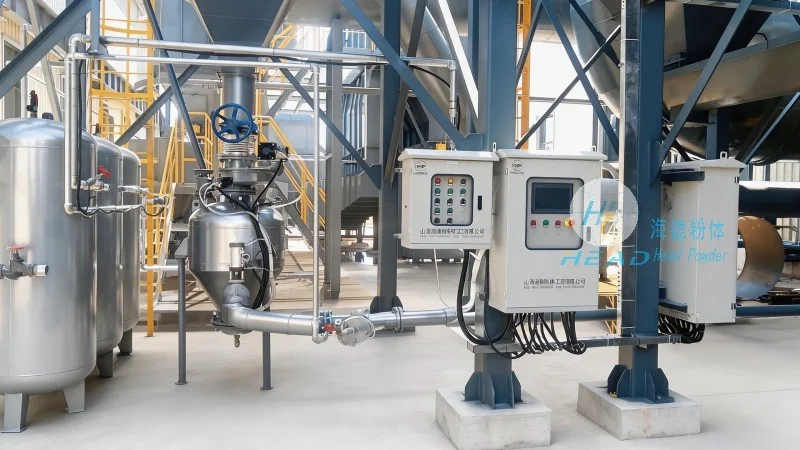
The working principle of sawdust particle material transport systems typically involves the use of mechanical conveying equipment that moves the material from one location to another. The core components of these systems include a feeding mechanism, a conveying element (like a screw conveyor, pneumatic conveyor, or belt conveyor), and a control system. The feeding mechanism ensures a consistent flow of sawdust into the conveyor, while the conveying element transports the material through the system. For sawdust, which is often light and dusty, pneumatic conveyors are commonly used due to their ability to handle fine particles and minimize dust dispersion. In pneumatic systems, air is used to create a flow that carries the sawdust particles through pipes or ducts. The pressure and velocity of the air are carefully controlled to ensure efficient transport without causing excessive wear or damage to the material. Screw conveyors are another option, particularly for horizontal or slight incline transport, as they can handle a wide range of particle sizes and provide a continuous, low-speed transport. The control system monitors and adjusts the flow rate, pressure, and other parameters to maintain optimal performance and prevent blockages or overloading.
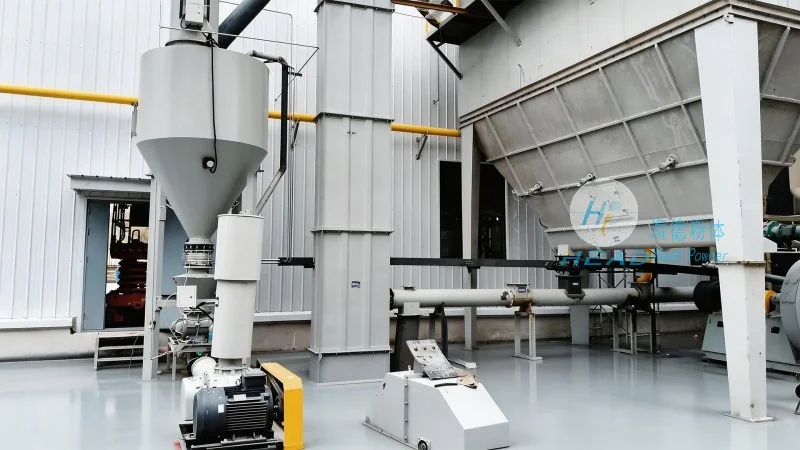
Several key features distinguish effective sawdust particle material transport systems, making them suitable for various industrial applications. One of the most important features is dust control. Sawdust is a fine powder that can easily become airborne, leading to health hazards and environmental issues. Advanced transport systems incorporate dust suppression mechanisms, such as sealed housings, air filtration systems, and moisture control, to minimize dust emissions. Another critical feature is the ability to handle varying particle sizes and moisture content. Sawdust can vary in size from fine dust to larger granules, and moisture levels can affect its flow characteristics. Systems with adjustable speed and pressure settings allow for flexibility in handling different material properties. Additionally, durability and low maintenance are important features. Sawdust can be abrasive and corrosive in some cases, so the conveying components are made from materials resistant to wear and corrosion, such as stainless steel or high-grade plastics. The design of the system also minimizes the risk of material buildup and blockages, which can cause downtime and maintenance issues. Energy efficiency is another key feature, as the cost of operating material transport systems can be significant. Modern systems use energy-efficient motors and control systems to reduce power consumption while maintaining performance. Finally, safety features are integrated into the design to protect operators and prevent accidents. This includes emergency stop buttons, safety guards, and monitoring systems that alert operators to any issues or malfunctions.
Sawdust particle material transport systems are widely used in various industries, including woodworking, paper manufacturing, and biomass energy production. In woodworking, these systems are used to transport sawdust from cutting and shaping operations to storage or processing areas. In paper manufacturing, sawdust is often used as a raw material for pulp and paper production, and efficient transport is essential for maintaining production rates. In biomass energy, sawdust is used as a fuel source for power generation, and the transport systems ensure a steady supply of fuel to the combustion facilities. The benefits of using these systems include improved operational efficiency, reduced labor costs, and enhanced product quality. By automating the material transport process, industries can reduce the need for manual handling, which is both labor-intensive and risky. The consistent flow of sawdust also ensures that production processes run smoothly without interruptions. Furthermore, the dust control features help maintain a safe working environment, reducing the risk of respiratory issues and other health problems for workers. The durability and low maintenance of the systems also contribute to long-term cost savings, as they require less frequent repairs and replacements.

In conclusion, sawdust particle material transport systems are essential for industries dealing with fine particle materials. The working principle of these systems involves the use of mechanical conveying equipment, such as pneumatic or screw conveyors, to move sawdust from one location to another. Key features include dust control, flexibility in handling different material properties, durability, energy efficiency, and safety. These systems offer significant benefits, including improved operational efficiency, reduced labor costs, and enhanced product quality. For companies like Shandong HeadPowder Engineering Co., Ltd., which specializes in engineering solutions for material handling, understanding and implementing these systems is crucial for meeting the needs of their clients in the woodworking and related industries. By leveraging the expertise and technology of such companies, industries can optimize their material transport processes and achieve better overall performance.

 Shandong Headpowder Engineering Co., Ltd.
 156-6277-7102(Manager Zhang)
  0531-83386006
  Zhangqiu District, Jinan City, Shandong Province, China
telephone
WeChatconsult
top