

Operation Process and Working Principle of White Mud Material Conveyor Line
White mud, a byproduct of the papermaking industry, requires efficient and reliable transportation systems to ensure smooth production flow. The white mud material conveyor line, developed by Shandong HeadPowder Engineering Co., Ltd. (hereinafter referred to as HeadPowder), is a specialized solution designed to handle the unique challenges of white mud handling. This system integrates advanced technology and robust engineering to provide a cost-effective and environmentally friendly approach to material transport.
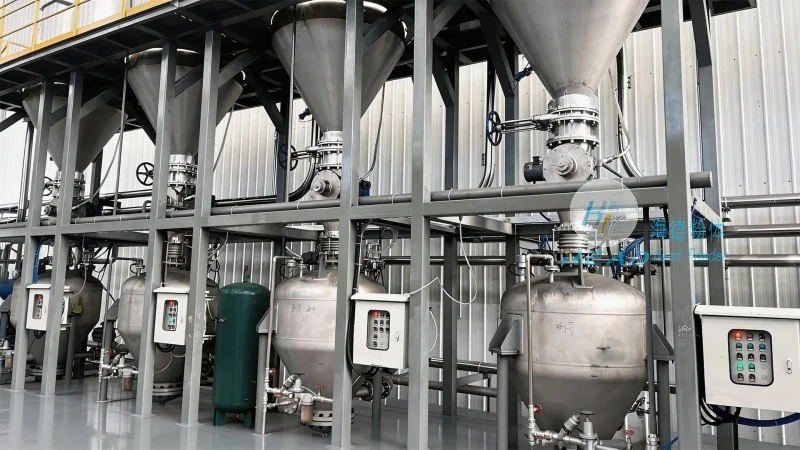
System Overview and Core Components
The white mud conveyor line typically consists of several key components that work in tandem to ensure efficient material transport. These include feed hoppers, conveyor belts, idler rollers, drive units, and control systems. Each component is carefully selected and engineered to withstand the abrasive and moisture-rich nature of white mud, ensuring long-term reliability and minimal maintenance. The feed hopper is designed to evenly distribute the white mud onto the conveyor belt, while the idler rollers provide support and reduce friction. The drive unit, often equipped with variable speed drives, allows for precise control over the conveyor speed, adapting to varying material loads and processing requirements.
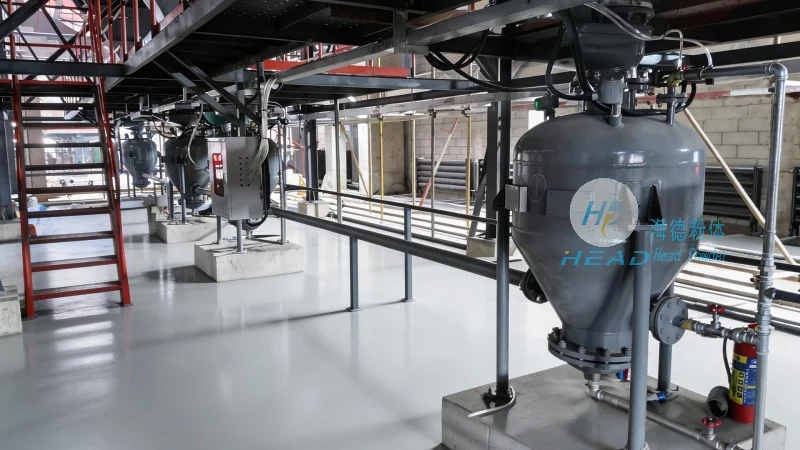
Operation Process: Step-by-Step Workflow
The operation of the white mud conveyor line follows a systematic workflow that ensures consistent and efficient material movement. The process begins with the loading of white mud into the feed hopper. As the material is fed onto the conveyor belt, it is transported to the processing or disposal area. The conveyor speed is adjusted based on the material flow rate and the distance to be covered. At the discharge end, the white mud is deposited into a storage tank or directly into the next processing stage. The system is equipped with sensors and monitoring devices that provide real-time data on the material flow, belt tension, and operational status, enabling operators to quickly identify and resolve any issues that may arise.
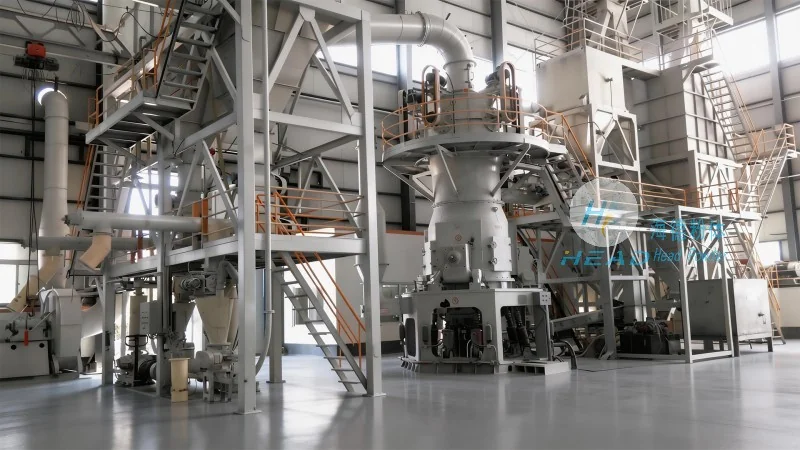
Working Principle: Mechanical and Control Integration
The working principle of the white mud conveyor line combines mechanical power transmission with advanced control systems to achieve precise material handling. The conveyor belt, made from durable materials such as rubber or polyurethane, carries the white mud along its length. The idler rollers support the belt and maintain proper tension, preventing slippage and ensuring smooth operation. The drive unit, powered by electric motors, rotates the pulleys that move the belt. The control system, often integrated with PLC (Programmable Logic Controller) technology, manages the speed and direction of the conveyor, as well as the operation of auxiliary equipment such as dust suppression systems and material level sensors. This integration allows for automated operation, reducing the need for manual intervention and improving overall system efficiency.
Advantages and Applications
The white mud conveyor line offers several advantages over traditional material handling methods, making it an ideal solution for paper mills and other industrial facilities. These advantages include high capacity, low energy consumption, minimal maintenance requirements, and the ability to handle abrasive materials without significant wear. The system is also designed to be flexible, allowing for customization to meet specific production needs. HeadPowder's white mud conveyor line is widely used in the paper industry for transporting white mud from the stock preparation area to the dewatering or disposal units. It can also be adapted for use in other industries where similar materials need to be transported, such as chemical processing or waste management.
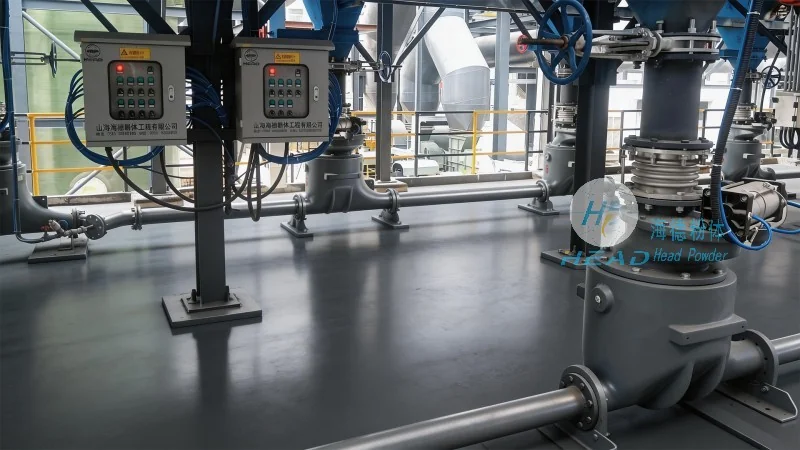
Maintenance and Operational Considerations
To ensure the long-term performance and reliability of the white mud conveyor line, regular maintenance is essential. This includes routine inspections of the conveyor belt, idler rollers, and drive units, as well as cleaning and lubrication of moving parts. The system is designed with easy access points for maintenance personnel, reducing downtime and maintenance costs. Additionally, the control system provides diagnostic information that can help identify potential issues before they become major problems. Operators should follow the manufacturer's guidelines for maintenance and operation to maximize the system's lifespan and efficiency. By adhering to proper maintenance practices, facilities can ensure that the white mud conveyor line operates at peak performance, minimizing disruptions to production and reducing overall operational costs.