With more than 10‑year industry experience, Shandong Headpowder delivers full‑service pneumatic‑conveying systems and blowers, undertaking nationwide turn‑key powder‑handling projects.
Understanding the working principle and characteristics of gypsum material handling is crucial for optimizing industrial processes in construction and manufacturing sectors. This article delves into the technical aspects of how gypsum, a widely used building material, is transported efficiently and safely, highlighting the key mechanisms and features that define modern material handling systems for this specific material.
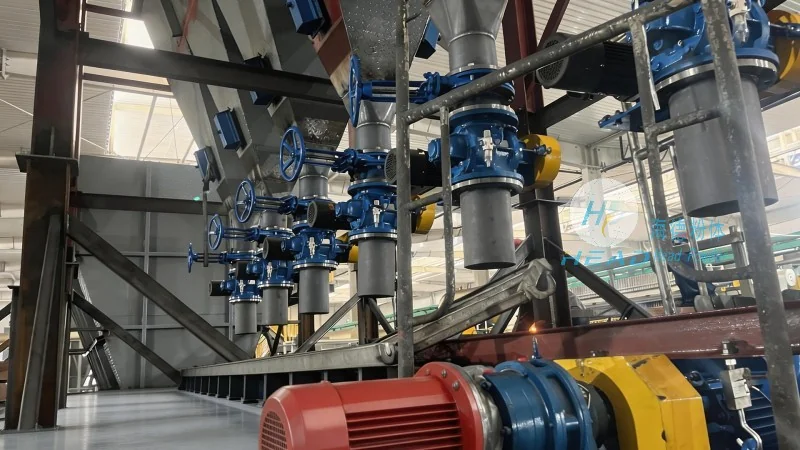
Gypsum, a calcium sulfate mineral, is a fundamental component in plaster, drywall, and other construction materials. The efficient handling and transport of gypsum from storage to processing or packaging facilities are critical for maintaining production efficiency and product quality. Modern material handling systems for gypsum leverage advanced engineering and equipment design to ensure smooth operation, minimal material loss, and compliance with safety standards.
The core of gypsum material handling lies in the integration of various equipment that work in sequence to move the material from one stage to another. Typically, the process begins with storage in bulk silos or hoppers, where the gypsum is held under controlled conditions to prevent caking or moisture absorption. From the storage silo, the material is transferred to the primary transport equipment, such as a belt conveyor system. Belt conveyors use a continuous loop of rubber or fabric belt, driven by pulleys, to transport gypsum horizontally or at a slight incline. The design of the belt conveyor, including the type of belt (e.g., smooth or cleated), the speed, and the angle of inclination, is optimized to handle the specific properties of gypsum, such as its density and flowability.
For vertical or inclined transport, bucket elevators are commonly employed. These systems consist of a vertical or inclined casing with a chain or belt that carries buckets attached to it. As the chain or belt moves, the buckets scoop up the gypsum from the bottom and lift it to the top of the elevator, where the material is discharged. The bucket elevator's design, including the bucket size, spacing, and speed, is tailored to the characteristics of gypsum to ensure reliable and continuous material flow without blockages or spillage.
Another critical component in gypsum material handling is the use of vibrating feeders or screens. These devices are used to regulate the flow of gypsum from the storage hopper to the transport equipment, preventing overloading and ensuring a consistent feed rate. Vibrating feeders use an oscillating motion to move the material forward, while screens separate the gypsum into different size fractions if required, such as for processing into specific grades of plaster or drywall.
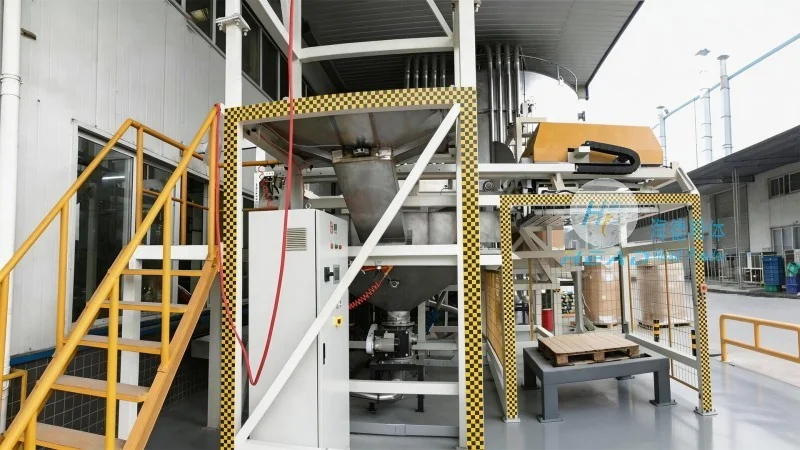
Control systems play a vital role in the working principle of gypsum material handling. Modern systems often incorporate sensors and automation to monitor the level of material in the silos, the speed of the conveyors, and the flow rate. This real-time monitoring allows for immediate adjustments to maintain optimal operation, such as reducing the conveyor speed if the material flow is too high or increasing it if there is a delay. The integration of PLC (Programmable Logic Controller) systems ensures that all equipment operates in a coordinated manner, minimizing downtime and maximizing productivity.
Efficient gypsum material handling systems exhibit several distinct characteristics that set them apart from general material handling solutions. First, they are designed to handle the specific physical properties of gypsum, such as its tendency to absorb moisture and its relatively low bulk density compared to other minerals. The equipment used, such as belt conveyors and bucket elevators, is constructed with materials that are resistant to corrosion and wear from gypsum, ensuring long-term durability.
Second, the systems are engineered for high efficiency and low maintenance. The use of smooth belt surfaces and properly spaced buckets minimizes friction and wear, reducing the need for frequent repairs. Additionally, the integration of cleaning mechanisms, such as brush or scraper systems, helps maintain the conveyor belts and elevator casings, preventing the buildup of gypsum that could lead to blockages or reduced performance.
Third, gypsum material handling systems prioritize safety and environmental compliance. The design of the equipment, including enclosed casings and proper ventilation, minimizes dust emissions and protects workers from exposure to gypsum particles. The use of sealed systems and dust collection mechanisms further enhances environmental safety, ensuring that the handling process adheres to regulatory standards.
Fourth, the systems are highly adaptable to different production requirements. Whether the goal is to transport raw gypsum from a mine to a processing plant or to move finished plaster products to packaging facilities, the equipment can be configured to meet specific needs. This adaptability is achieved through modular design, allowing components to be added or removed as production scales up or down.
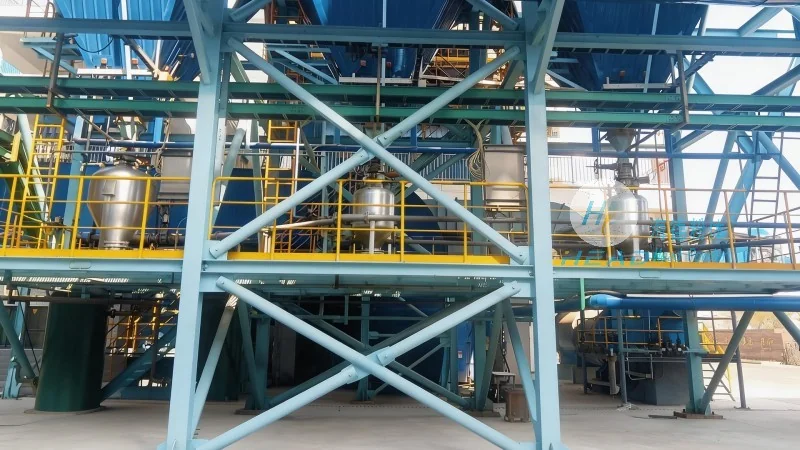
Gypsum material handling systems are widely used in various industries, including construction, manufacturing, and mining. In the construction sector, these systems are essential for supplying gypsum to drywall factories, where it is processed into panels for building walls. The efficient transport of raw gypsum ensures a steady supply of material, which is critical for meeting production demands and maintaining product quality.
In the manufacturing of plaster and other gypsum-based products, the handling systems play a crucial role in the production line. The ability to move gypsum from storage to processing equipment quickly and reliably reduces production time and increases output. Additionally, the consistent feed rate provided by vibrating feeders ensures that the processing equipment operates at optimal efficiency, minimizing waste and maximizing the yield of finished products.
The benefits of using advanced gypsum material handling systems extend beyond efficiency and productivity. By reducing material loss and improving process control, these systems contribute to cost savings for manufacturers. The use of automated control systems also reduces the need for manual labor, improving workplace safety and reducing the risk of human error. Furthermore, the environmental benefits of enclosed systems and dust collection mechanisms help companies comply with environmental regulations and enhance their corporate social responsibility.
Gypsum material handling is a complex but essential process that requires careful consideration of the material's properties and the design of the handling equipment. The working principle of modern systems, which combines belt conveyors, bucket elevators, vibrating feeders, and control systems, ensures efficient and reliable transport of gypsum. The key characteristics of these systems, including durability, efficiency, safety, and adaptability, make them indispensable in the construction and manufacturing industries. As demand for gypsum products continues to grow, the development of advanced material handling technologies will remain critical for meeting production needs and maintaining competitiveness.

 Shandong Headpowder Engineering Co., Ltd.
 156-6277-7102(Manager Zhang)
  0531-83386006
  Zhangqiu District, Jinan City, Shandong Province, China
telephone
WeChatconsult
top