With more than 10‑year industry experience, Shandong Headpowder delivers full‑service pneumatic‑conveying systems and blowers, undertaking nationwide turn‑key powder‑handling projects.
Understanding the working principle and characteristics of limestone powder material handling is crucial for optimizing industrial processes in various sectors. This article delves into the core mechanisms and key attributes of systems designed to transport and manage limestone powder efficiently.
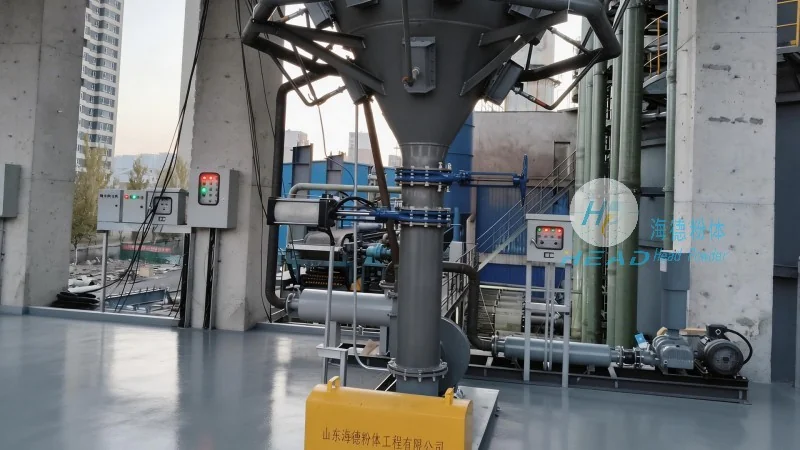
Limestone powder, a widely used raw material in industries such as construction, chemical manufacturing, and environmental applications, requires specialized handling due to its fine particle size and potential for dust generation. Effective material handling systems ensure safety, efficiency, and product quality. The process involves several key components and operational principles that work in tandem to achieve seamless material transport.
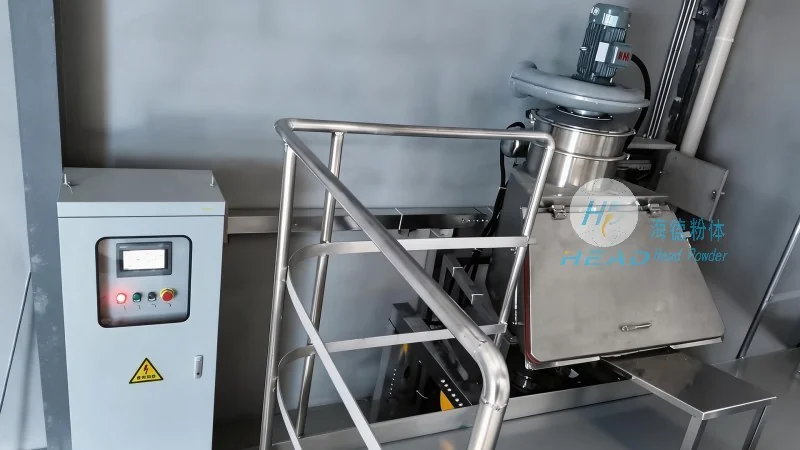
The working principle of limestone powder material handling systems typically revolves around the use of mechanical equipment designed to handle fine powders. These systems often incorporate components like hoppers, feeders, conveyors, and dust control mechanisms. The process begins with the storage of limestone powder in a silo or hopper, where the material is held under controlled conditions to prevent caking or agglomeration. A feeder, such as a rotary valve or vibratory feeder, then regulates the flow of powder from the storage vessel to the conveyor system. The conveyor, commonly a screw conveyor or pneumatic conveyor, transports the limestone powder to the processing or packaging area. Dust control measures, including enclosures and filtration systems, are integrated to minimize airborne particles and ensure environmental compliance.
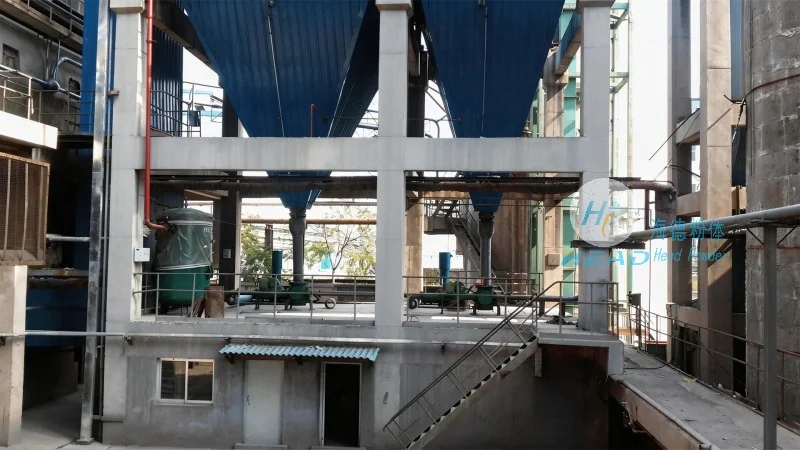
Several distinct characteristics define effective limestone powder material handling systems. Firstly, the systems must be designed to handle fine, cohesive powders without causing blockages or material degradation. This requires specialized equipment with smooth surfaces and minimal friction points. Secondly, dust control is paramount due to the health and safety risks associated with fine powders. Advanced filtration and enclosure systems are essential to maintain air quality and comply with regulatory standards. Thirdly, the systems should offer high efficiency and reliability, with minimal downtime for maintenance. This is achieved through robust construction, regular maintenance schedules, and the use of durable materials resistant to corrosion and wear. Additionally, the systems must be adaptable to varying production rates and material properties, allowing for flexible operation in different industrial settings.
HeadPowder, a leading manufacturer of material handling solutions, specializes in designing and supplying systems tailored to the unique needs of limestone powder processing. With a focus on innovation and quality, the company has established itself as a trusted partner in the industry. HeadPowder's products are engineered to meet the demanding requirements of limestone powder handling, ensuring optimal performance and safety. The company's commitment to customer satisfaction and technical excellence has earned it a reputation for reliability and durability. HeadPowder's systems are designed to integrate seamlessly into existing industrial processes, providing cost-effective and efficient solutions for material transport and management.
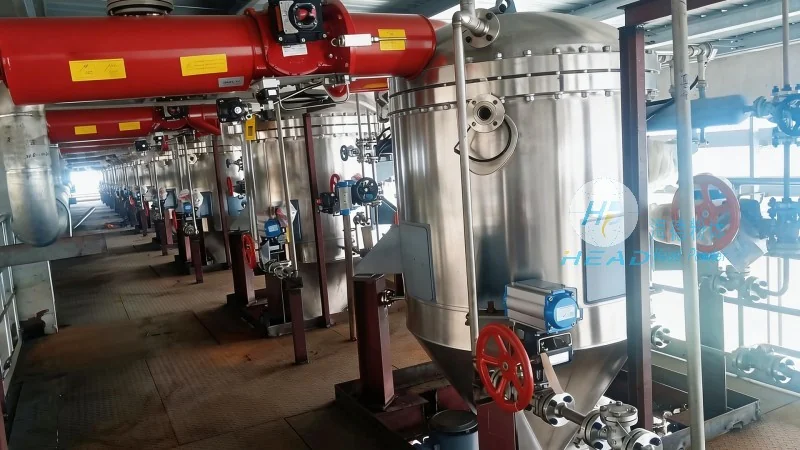
In conclusion, the working principle and characteristics of limestone powder material handling systems are critical to the success of industrial operations. By understanding these principles and leveraging advanced technology, industries can enhance efficiency, ensure safety, and maintain product quality. Shandong HeadPowder Engineering Co., Ltd. offers comprehensive solutions that address the specific challenges of limestone powder handling, providing reliable and effective systems for various applications.

 Shandong Headpowder Engineering Co., Ltd.
 156-6277-7102(Manager Zhang)
  0531-83386006
  Zhangqiu District, Jinan City, Shandong Province, China
telephone
WeChatconsult
top