With more than 10‑year industry experience, Shandong Headpowder delivers full‑service pneumatic‑conveying systems and blowers, undertaking nationwide turn‑key powder‑handling projects.
Masterbatch material conveying lines are critical components in the plastic processing industry, ensuring efficient and reliable transportation of masterbatch materials from storage to processing equipment. This article provides a detailed overview of the operation process and working principles of these systems, with a focus on the technical elements and practical applications. The information is presented by Shandong HeadPowder Engineering Co., Ltd., a leading provider of engineering solutions for the plastic industry, based in Shandong, China.
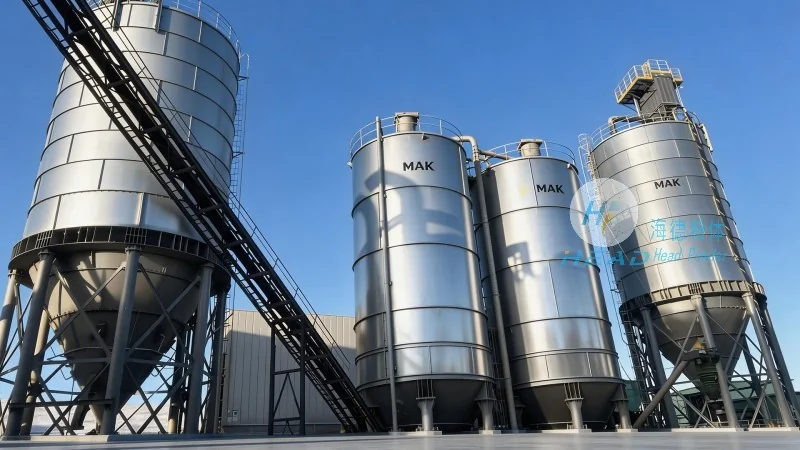
Masterbatch material conveying lines are engineered systems designed to transport masterbatch, a concentrated form of pigment or additive, from storage silos or hoppers to extrusion or compounding equipment. These lines are typically integrated into larger production facilities, such as plastic manufacturing plants, where masterbatch is used to color or modify the properties of base polymers. The design of a masterbatch conveying line varies based on the specific requirements of the production process, including the type of masterbatch (e.g., solid or liquid), the volume of material to be transported, and the distance between storage and processing areas.
Masterbatch material conveying lines consist of several critical components that work in tandem to ensure smooth operation. These components include storage hoppers or silos, feeding mechanisms (such as screw feeders or vibratory feeders), conveying equipment (e.g., pneumatic or mechanical conveyors), control systems, and safety features. Each component plays a vital role in the overall functionality of the system.
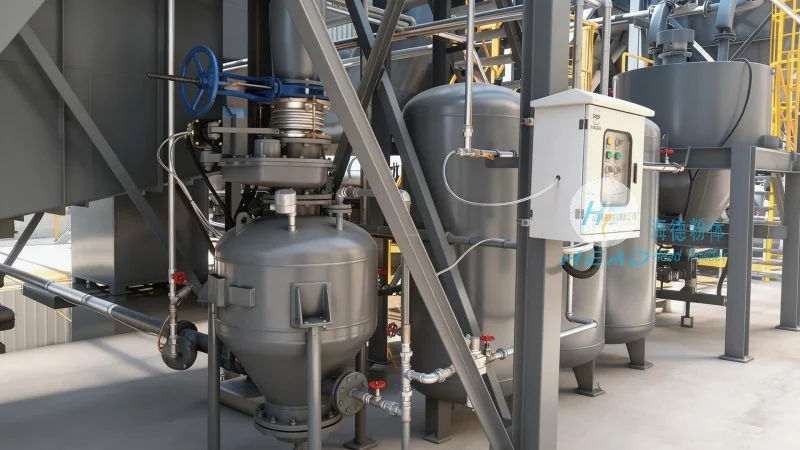
The working principle of a masterbatch material conveying line involves a sequence of steps that move material from the storage point to the processing equipment. The process typically begins with the masterbatch being stored in a hopper or silo. A feeding mechanism then meters the material into the conveying system. The material is then transported through the conveyor, which may use air pressure (pneumatic conveying) or mechanical force (e.g., screw conveyors or belt conveyors) to move the material to the processing equipment. The control system monitors the flow rate, pressure, and other parameters to ensure consistent and efficient operation. Safety features, such as emergency shut-off valves and pressure relief systems, are integrated to prevent accidents and protect personnel.
The operation process of a masterbatch material conveying line can be broken down into several stages. First, the masterbatch is loaded into the storage hopper. The feeding mechanism then starts, and the material is metered into the conveying line. The conveying equipment then transports the material to the processing equipment. The control system adjusts the flow rate as needed to maintain a consistent supply of masterbatch to the processing line. The process continues until the required amount of material has been transported or the production run is complete. Regular maintenance and monitoring are essential to ensure the system operates efficiently and reliably.
Several technical considerations are important when designing and operating masterbatch material conveying lines. These include material compatibility, which ensures that the conveying system is suitable for the specific type of masterbatch (e.g., solid or liquid). The choice of conveying method (pneumatic vs. mechanical) depends on factors such as material density, particle size, and the distance to be covered. The system must also be designed to handle variations in material flow, such as changes in batch size or production rates. Additionally, the control system must be capable of monitoring and adjusting parameters in real-time to maintain optimal performance.
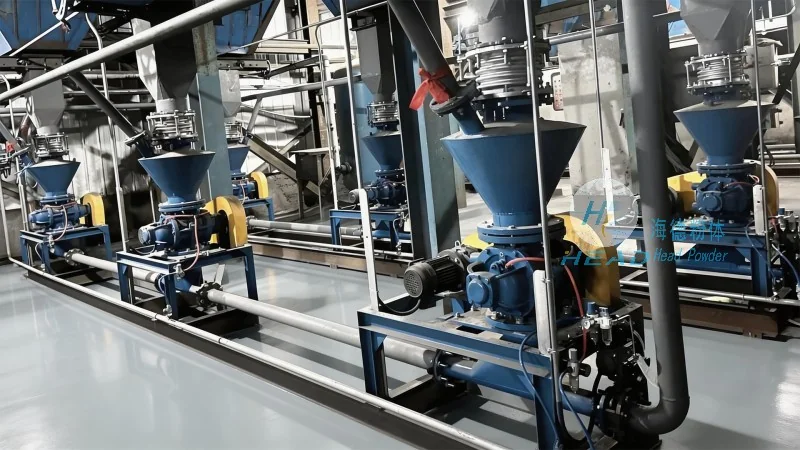
Masterbatch material conveying lines are widely used in various industries, including plastics, rubber, and coatings. The primary benefits of these systems include improved efficiency, reduced labor costs, and enhanced product quality. By automating the transportation of masterbatch, these systems minimize human error and ensure consistent material flow. This leads to more uniform product color and better control over the final product properties. Additionally, the use of automated conveying systems reduces the risk of contamination and improves workplace safety.
Masterbatch material conveying lines are essential for efficient plastic processing operations. Understanding the operation process and working principles of these systems is crucial for optimizing production and maintaining product quality. By selecting the appropriate components and design, manufacturers can ensure reliable and efficient transportation of masterbatch materials. The integration of advanced control systems and safety features further enhances the performance and safety of these systems. As the demand for high-quality plastic products continues to grow, the importance of masterbatch material conveying lines will only increase.

 Shandong Headpowder Engineering Co., Ltd.
 156-6277-7102(Manager Zhang)
  0531-83386006
  Zhangqiu District, Jinan City, Shandong Province, China
telephone
WeChatconsult
top