

Working Principle and Features of Calcined Ash Pneumatic Conveying Systems
For industrial applications involving the handling of calcined ash, the pneumatic conveying line offers an efficient and reliable solution. This article delves into the working principle and key features of such systems, providing insights into their operation and benefits.
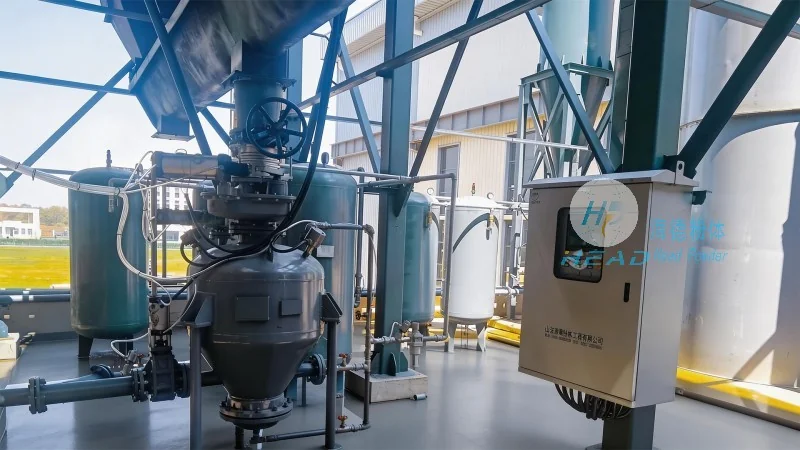
Introduction to Calcined Ash Pneumatic Conveying Systems
Calcined ash, a byproduct from various industrial processes like coal combustion or mineral processing, requires specialized equipment for safe and effective transportation. The pneumatic conveying line, as a core component in material handling, utilizes air as the conveying medium to transport calcined ash from one location to another. This method eliminates the need for mechanical components like belts or buckets, reducing maintenance and operational costs.
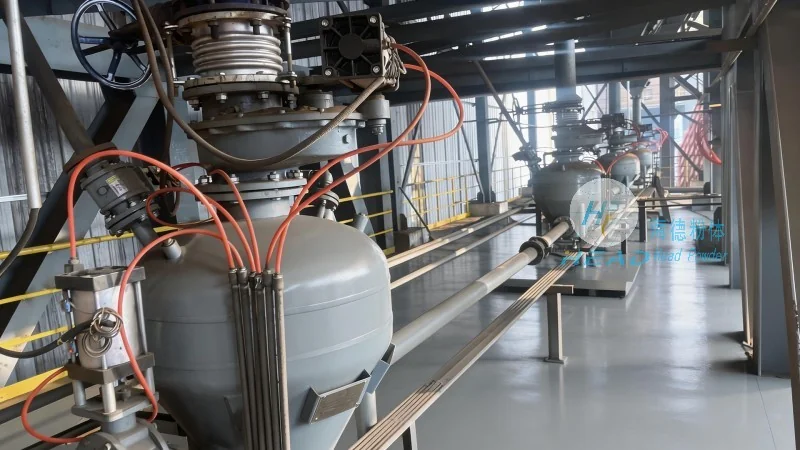
Working Principle of the Pneumatic Conveying Line
The operation of a calcined ash pneumatic conveying line is based on the principle of air flow and pressure differentials. The system typically consists of a hopper, a rotary valve, a conveying pipe, and a receiver. The process begins with the calcined ash being fed into the hopper. A rotary valve then controls the flow of ash into the conveying pipe, where it is mixed with compressed air. The air, under pressure, propels the ash particles through the pipe to the destination, such as a storage silo or processing unit. The receiver at the end of the line separates the ash from the air, often using a cyclone separator or a filter system to ensure clean air release.
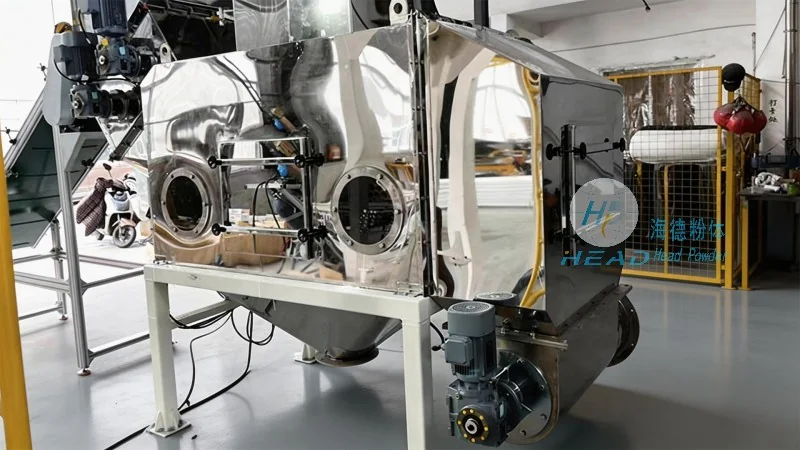
Key Features and Advantages
Several notable features distinguish the calcined ash pneumatic conveying line from other material handling methods. Firstly, it offers a dust-free operation, which is crucial for maintaining a safe and healthy working environment, especially in environments where airborne particles can be hazardous. Secondly, the system is highly flexible, allowing for changes in the conveying route without major structural modifications. Thirdly, it provides excellent control over the flow rate and pressure, enabling precise management of the ash delivery process. Additionally, the absence of moving parts in the conveying line reduces wear and tear, leading to lower maintenance requirements and longer service life.
Application-Specific Considerations
When implementing a calcined ash pneumatic conveying system, several factors must be considered to ensure optimal performance. The particle size and density of the calcined ash are critical, as they affect the air velocity required for effective conveying. The system's design must account for these characteristics to prevent blockages or excessive energy consumption. Furthermore, the choice of materials for the conveying pipe and components is essential, as calcined ash can be abrasive and corrosive. High-quality materials, such as stainless steel or specialized coatings, are often used to withstand the harsh conditions.
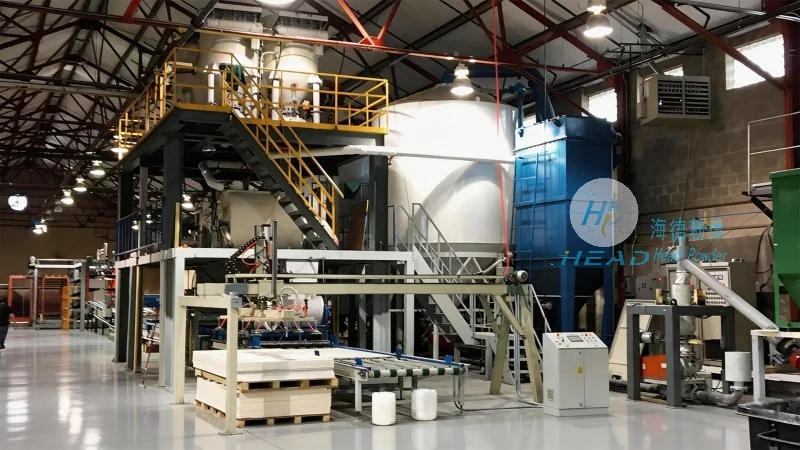
Conclusion and Company Information
In conclusion, the calcined ash pneumatic conveying line is a sophisticated and efficient solution for transporting calcined ash in industrial settings. Its working principle, based on air pressure and flow, offers numerous advantages including dust-free operation, flexibility, and reduced maintenance. For businesses seeking reliable and cost-effective material handling solutions, the pneumatic conveying line is a compelling choice. As a leading provider in this field, Shandong HeadPowder Engineering Co., Ltd. specializes in designing and manufacturing such systems, with a commitment to quality and customer satisfaction. HeadPowder, with its headquarters in Shandong, China, leverages years of experience to deliver tailored solutions that meet the unique needs of each client.