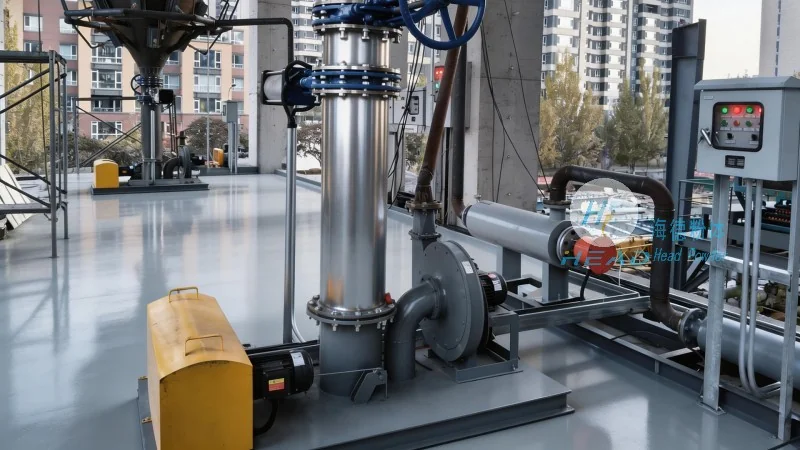
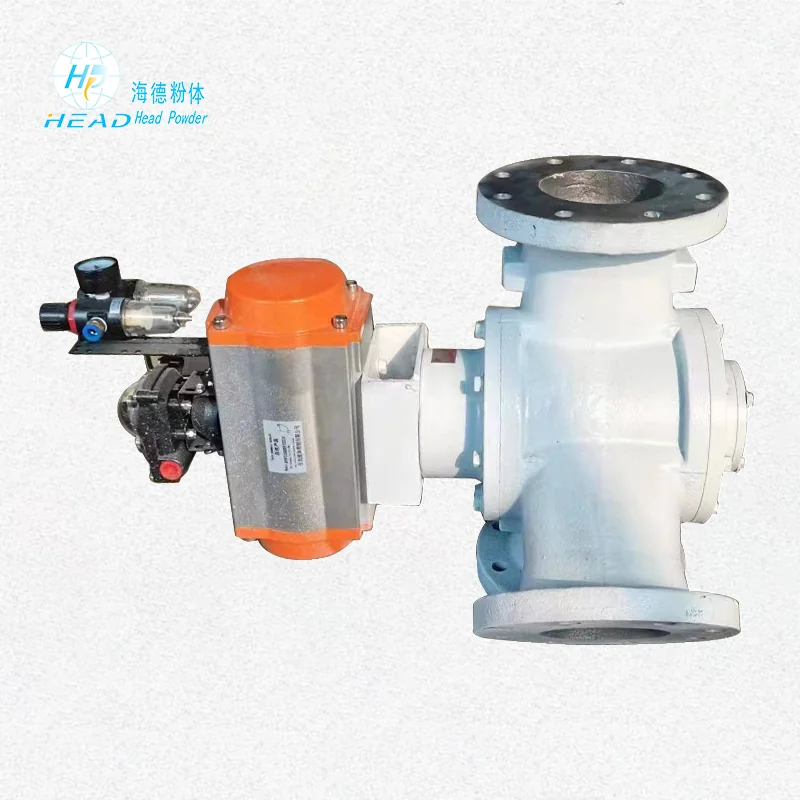
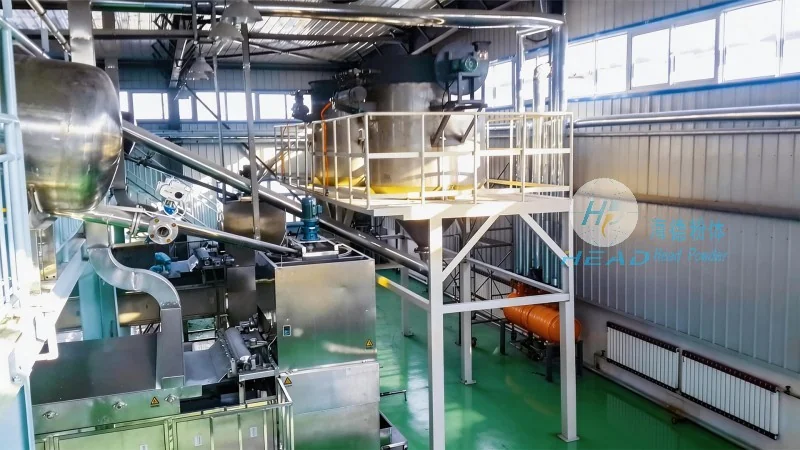
With more than 10‑year industry experience, Shandong Headpowder delivers full‑service pneumatic‑conveying systems and blowers, undertaking nationwide turn‑key powder‑handling projects.
In the realm of industrial material handling, the efficient and reliable transport of bulk powders is a critical operational requirement for numerous sectors. Shandong Headpowder Engineering Co., Ltd. stands as a distinguished provider in this field, specializing in the design, manufacturing, and supply of high-performance pneumatic conveying equipment. The company's flagship product, the Bulk Solids Airslide Pump—commonly referred to as the Luneng Pump—has established a reputation for durability, efficiency, and precision. As a leading Luneng manufacturer, Headpowder is dedicated to optimizing material flow processes for clients across various industries, ensuring that their logistical challenges are met with robust engineering solutions.
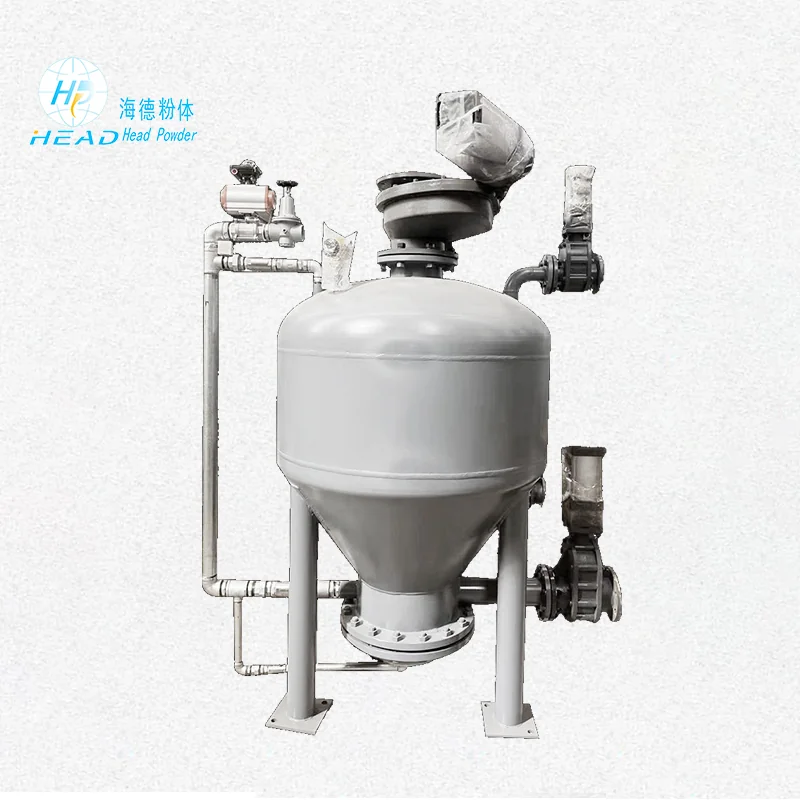
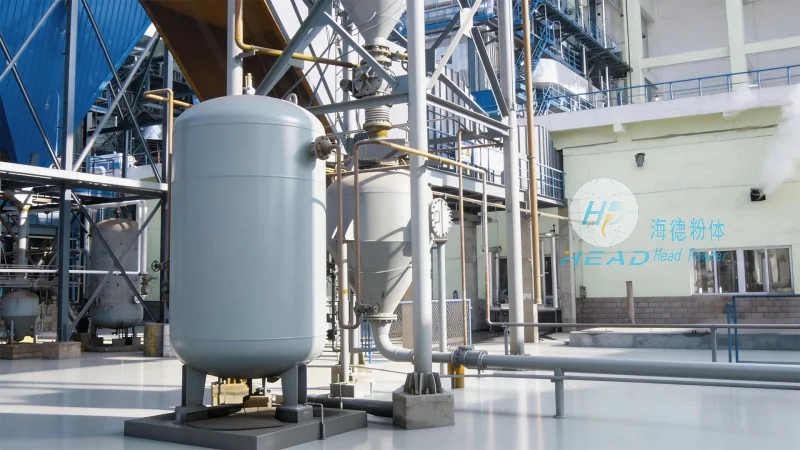
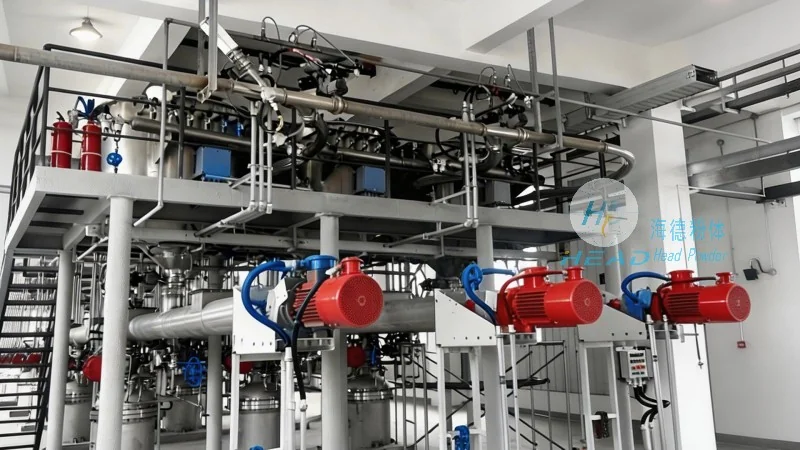
The Bulk Solids Airslide Pump is a sophisticated piece of machinery designed to move dry, free-flowing powders and granules through pipelines using compressed air. Unlike traditional mechanical conveyors, the Luneng Pump offers a sealed system that significantly reduces dust emissions and prevents material degradation. This technology is particularly vital for industries such as cement production, power generation, and chemical processing, where the integrity of the material must be preserved during transit. The core mechanism involves aeration and pulse pressure, which fluidizes the material, allowing it to flow smoothly through the conveying pipeline to the receiving silo. By utilizing this advanced pneumatic conveying method, facilities can achieve a higher degree of automation and safety compared to manual handling methods.
Headquartered in Shandong, China, Shandong Headpowder Engineering Co., Ltd. leverages the region's rich industrial resources and engineering expertise to produce world-class equipment. The company operates with a philosophy centered on quality and customer satisfaction. As a specialized Luneng manufacturer, Headpowder integrates research and development, production, and sales into a cohesive process. This vertical integration allows the company to maintain strict control over the quality of every Bulk Solids Airslide Pump that leaves its facility. The engineering team focuses on optimizing the internal geometry of the pump and the piping system to minimize pressure loss, thereby reducing energy consumption and operational costs for the end-user.
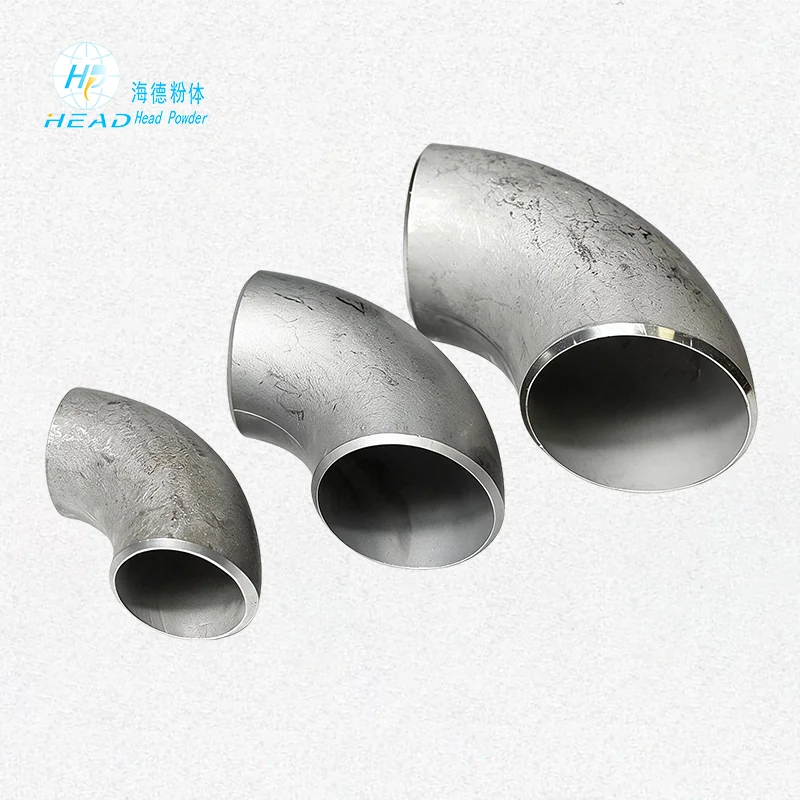
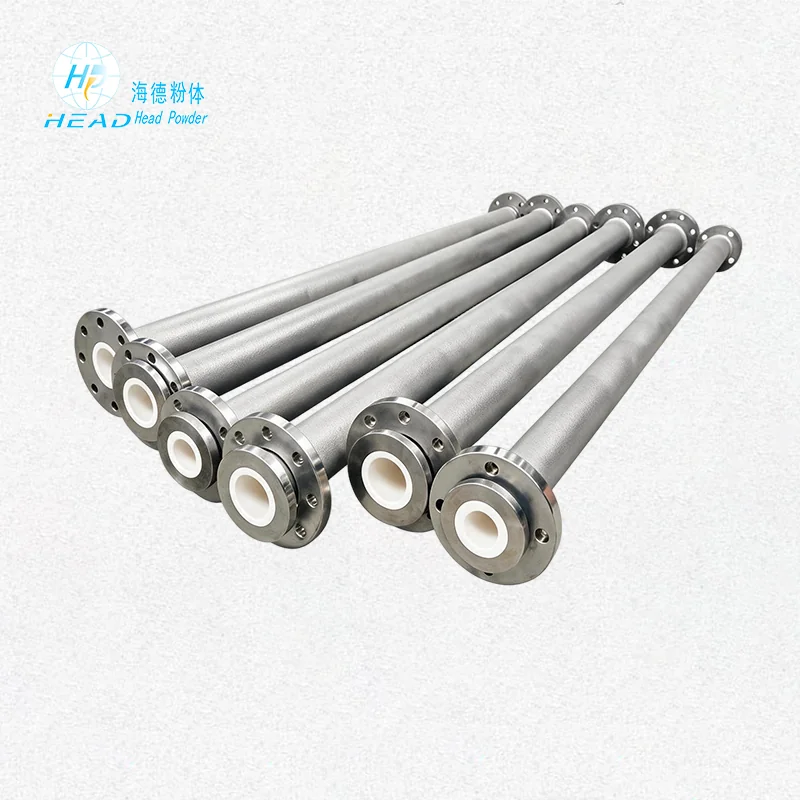
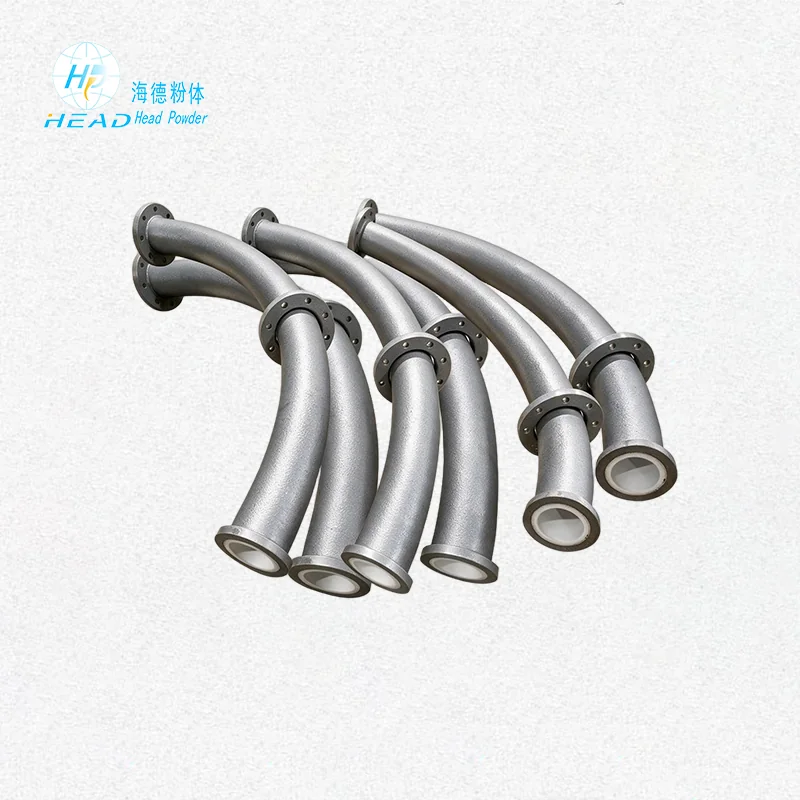
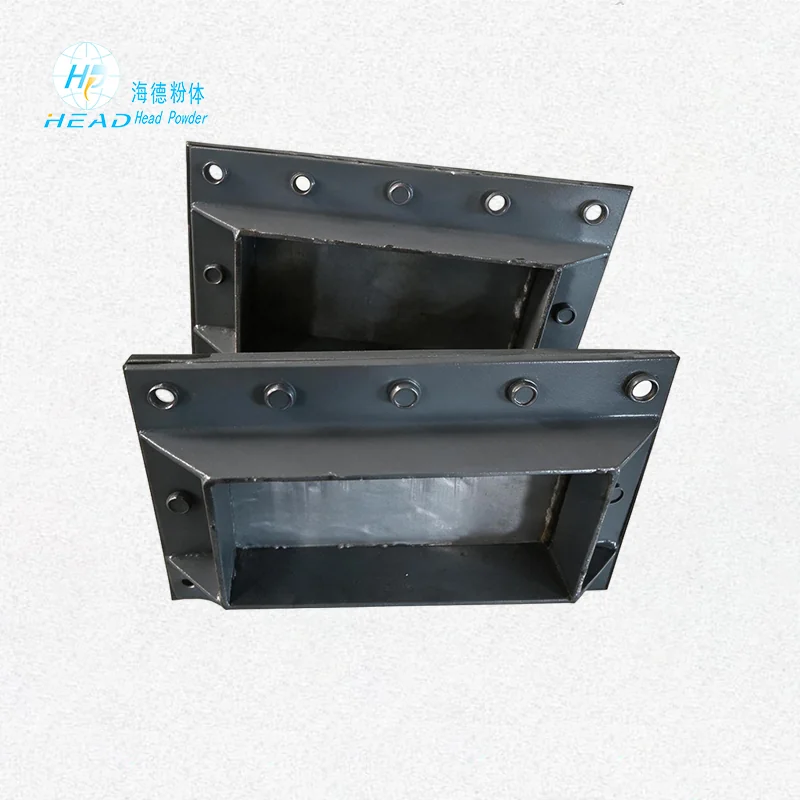
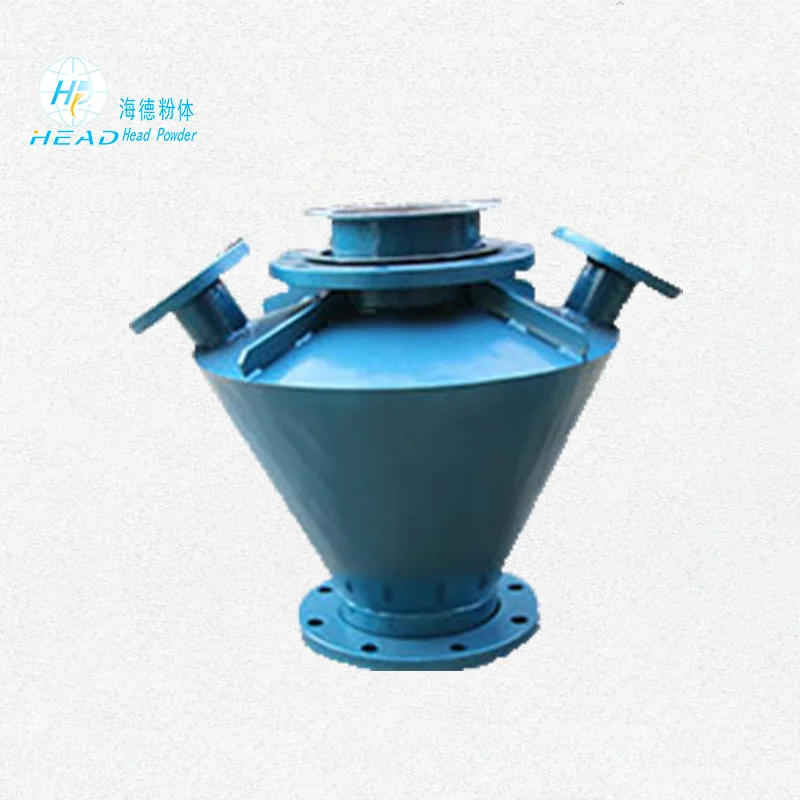
When evaluating the Luneng price and performance, clients consistently highlight several distinct advantages offered by Headpowder. First and foremost is the robust construction of the equipment. Made from high-quality steel and utilizing precision welding techniques, the Luneng Pump is built to withstand harsh industrial environments and high-pressure operations. Additionally, the design ensures excellent aeration characteristics, which is essential for achieving the desired conveying velocity. The equipment is also designed for easy maintenance, with accessible inspection ports and wear-resistant liners that can be replaced without extensive downtime. These features make Headpowder's Luneng Pump a cost-effective solution in the long run, despite offering competitive Luneng price points.
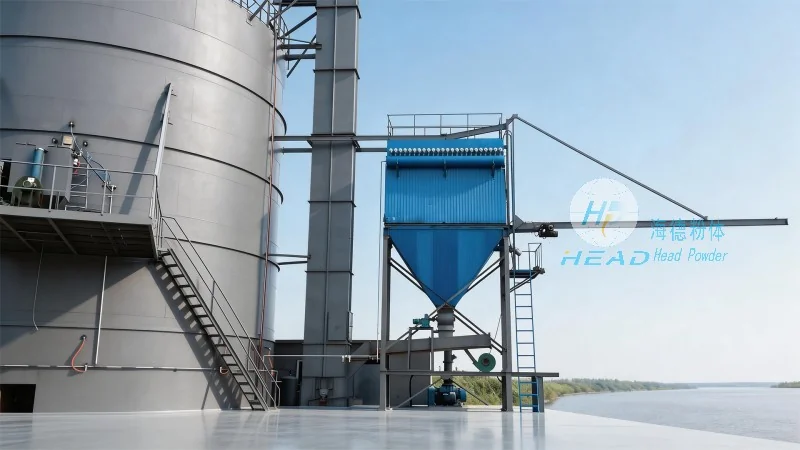
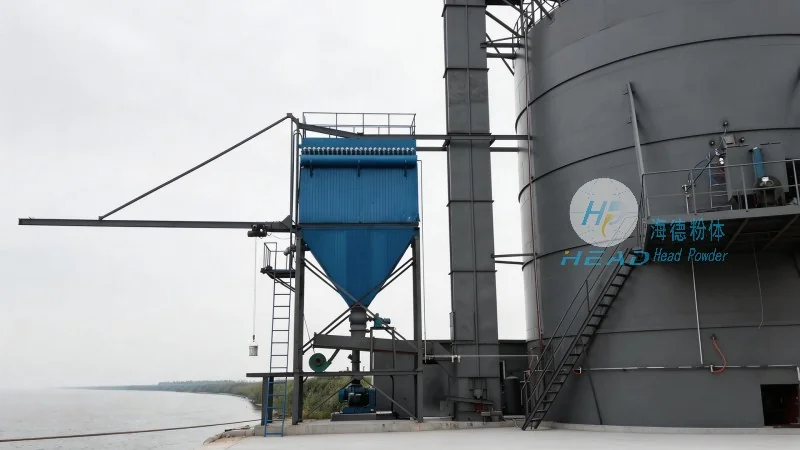
The versatility of the Bulk Solids Airslide Pump is a testament to its engineering excellence. It is capable of handling a wide array of materials, including cement, fly ash, limestone, gypsum, and various chemical powders. Whether the requirement is to transport materials vertically, horizontally, or around complex bends, Headpowder's pneumatic conveying systems provide a seamless solution. The equipment is widely used in bulk cement terminals, concrete batching plants, and power plants for the transfer of pulverized coal or ash. By providing a reliable link between storage and usage points, the Luneng Pump enhances the overall productivity of these facilities.
Recognizing that every industrial setup is unique, Shandong Headpowder Engineering Co., Ltd. offers customized solutions tailored to specific project requirements. The engineering team conducts thorough site surveys and analyzes material properties to design a Luneng Pump system that integrates perfectly with the client's existing infrastructure. This bespoke approach ensures optimal flow rates and pressures, maximizing efficiency. The company adheres to rigorous quality control standards throughout the manufacturing process, ensuring that every unit meets international safety and performance criteria. As a trusted Luneng manufacturer, Headpowder is committed to delivering not just a product, but a comprehensive material handling solution.
For businesses seeking a reliable partner in bulk material handling, Shandong Headpowder Engineering Co., Ltd. represents the ideal choice. With a strong foundation in Shandong and a global outlook, the company is ready to assist with all inquiries regarding the Luneng Pump and related pneumatic conveying technologies. To discuss specific project needs, obtain detailed quotations, or learn more about the Luneng price, interested parties are encouraged to reach out directly. The company's dedicated team, led by experienced professionals, is prepared to provide expert guidance and support. You may contact Manager Zhang directly via WeChat at 15662777102 to initiate a consultation and explore how Headpowder can optimize your material transport operations.

 Shandong Headpowder Engineering Co., Ltd.
 156-6277-7102(Manager Zhang)
  0531-83386006
  Zhangqiu District, Jinan City, Shandong Province, China
telephone
WeChatconsult
top