

Working Principle and Features of Desulfurization Fly Ash Pneumatic Conveying Systems
Desulfurization fly ash, a byproduct from flue gas desulfurization processes in power plants, requires efficient and reliable handling systems for its transport. The pneumatic conveying system, specifically designed for such applications, offers a solution that combines advanced technology with practical advantages. This article explores the working principle and key features of such systems, highlighting their role in modern industrial waste management.
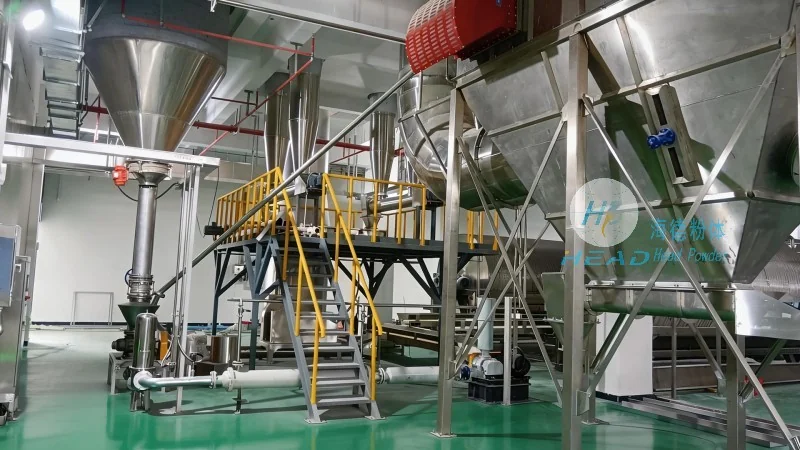
HeadPowder Engineering Co., Ltd., a leading provider in this field, is headquartered in Shandong, China. With a focus on innovative engineering solutions, the company specializes in the design, manufacturing, and installation of pneumatic conveying systems tailored to the unique characteristics of desulfurization fly ash. Their systems are engineered to meet the demands of industrial applications while ensuring compliance with environmental and operational standards.
Working Principle of Desulfurization Fly Ash Pneumatic Conveying Systems
The core of a pneumatic conveying system for desulfurization fly ash is the ability to transport fine, dry particles through a pipeline using air as the conveying medium. The system operates based on the principle of creating a pressure differential within the pipeline. There are two primary modes of operation: positive pressure and negative pressure (or vacuum) systems.
In a positive pressure system, compressed air is introduced at the inlet of the conveying line, creating a pressure higher than the ambient air. The fly ash is fed into the pipeline through a feeder device, such as a rotary valve or a screw feeder, and is carried by the high-velocity air stream. The air and ash mixture travels through the pipeline to the discharge point, where a separator or cyclone separates the ash from the air. The air is then filtered and recycled back to the system, while the ash is collected for further use or disposal.
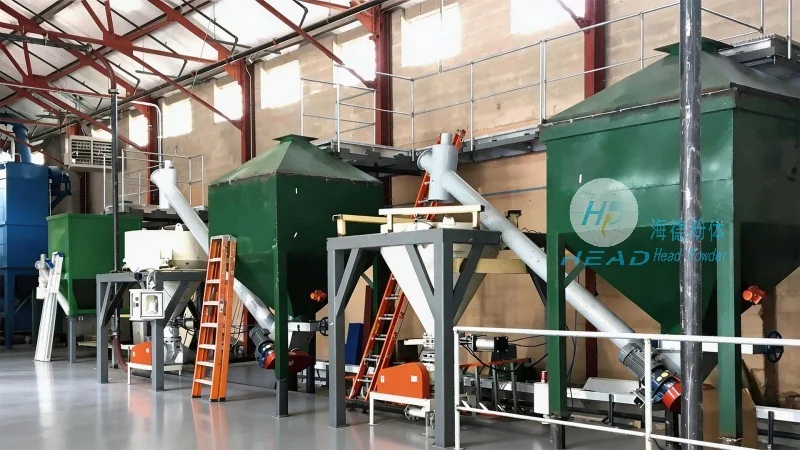
A negative pressure system, on the other hand, uses a vacuum pump to create a lower pressure inside the pipeline compared to the ambient air. The fly ash is drawn into the pipeline by the vacuum, and the air is drawn in to assist with the transport. The mixture is then processed similarly to the positive pressure system, with the ash being separated and the air being filtered and recycled.
For desulfurization fly ash, which is typically fine and can be prone to agglomeration, the system design must address these challenges. The feeder device is critical, as it needs to handle the ash's flow characteristics without causing blockages. The air velocity within the pipeline is carefully controlled to ensure that the ash particles are suspended and transported efficiently without excessive wear on the pipeline or equipment. The separator must be efficient in separating the ash from the air, as the fine particles can be difficult to capture without proper design.
Key Features of Desulfurization Fly Ash Pneumatic Conveying Systems
Efficiency and reliability are paramount in the design of these systems. The ability to transport large volumes of fly ash over long distances with minimal energy consumption is a key feature. Modern systems utilize high-efficiency blowers and optimized pipeline designs to achieve this, reducing operational costs and environmental impact.
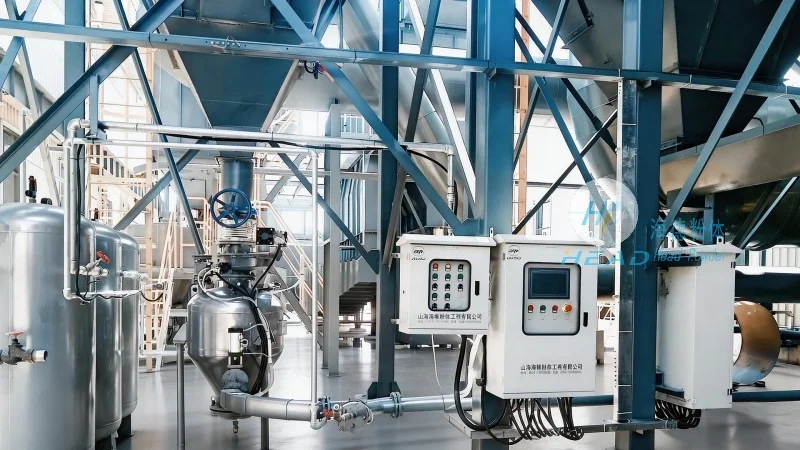
Environmental considerations are also a significant feature. The systems are designed to minimize dust emissions and ensure that the air is thoroughly filtered before being released back into the environment. This aligns with the regulatory requirements for industrial waste handling and promotes sustainable practices. The use of closed systems prevents the release of fine particles into the atmosphere, protecting both personnel and the surrounding environment.
Maintenance and operational flexibility are other important features. The components are designed for easy access and maintenance, reducing downtime and increasing the system's lifespan. The systems can be adapted to handle varying ash feed rates and particle sizes, providing flexibility for different plant configurations. Additionally, the integration of monitoring and control systems allows for real-time performance tracking and adjustments, ensuring optimal operation under changing conditions.
HeadPowder Engineering Co., Ltd. emphasizes the importance of these features in their product offerings. By combining advanced engineering with practical design, their pneumatic conveying systems provide a reliable solution for the transportation of desulfurization fly ash. The company's commitment to quality and customer satisfaction is reflected in the robust performance and long-term reliability of their systems, making them a preferred choice for power plants and industrial facilities worldwide.