

Working Principle and Features of Gypsum Powder Pneumatic Conveying Systems
Gypsum powder, a widely used industrial material, often requires efficient and reliable transportation from production sites to processing or storage facilities. Pneumatic conveying systems have emerged as a preferred solution for handling such powders due to their ability to transport materials in a closed environment, minimizing dust exposure and ensuring product integrity. This article explores the working principle and key features of a gypsum powder pneumatic conveying line, highlighting how such systems enhance operational efficiency in industrial applications.
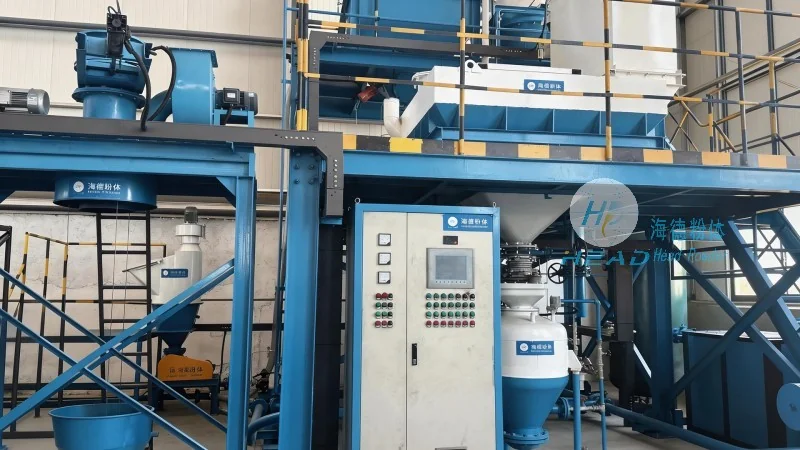
Working Principle of the Gypsum Powder Pneumatic Conveying Line
The core of a pneumatic conveying system lies in the interaction between air flow and the material being transported. In the case of a gypsum powder system, the process typically involves the following steps:
1. **Material Loading**: Gypsum powder is fed into the system through a hopper or feeder, where it is introduced into the conveying line.
2. **Air Supply**: Compressed air or suction is applied to create a flow that moves the powder particles along the pipeline. The system can operate under either positive pressure (blowing air into the line) or negative pressure (sucking air out of the line), depending on the specific design and application requirements.
3. **Conveying Process**: As air and powder mix, the powder is carried through the pipeline. The velocity and pressure of the air determine the efficiency of the transport, ensuring that the powder moves smoothly without clogging or degradation.
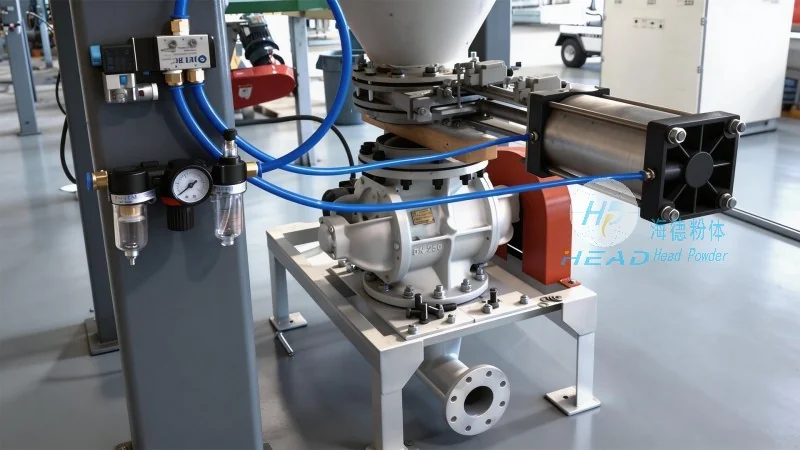
4. **Discharge and Separation**: At the destination point, the air is separated from the powder using a cyclone or other separation equipment, allowing the gypsum powder to be collected in a designated container.
The working principle emphasizes the balance between air flow and material properties. For gypsum powder, which has specific particle size and density characteristics, the system is engineered to maintain optimal air-to-material ratios to prevent blockages and ensure consistent performance.
Key Features and Advantages of the System
The gypsum powder pneumatic conveying line offers several distinct advantages that make it suitable for various industrial applications:
- **Efficiency and Speed**: Pneumatic systems can transport large volumes of material quickly and with minimal downtime, improving overall production throughput.
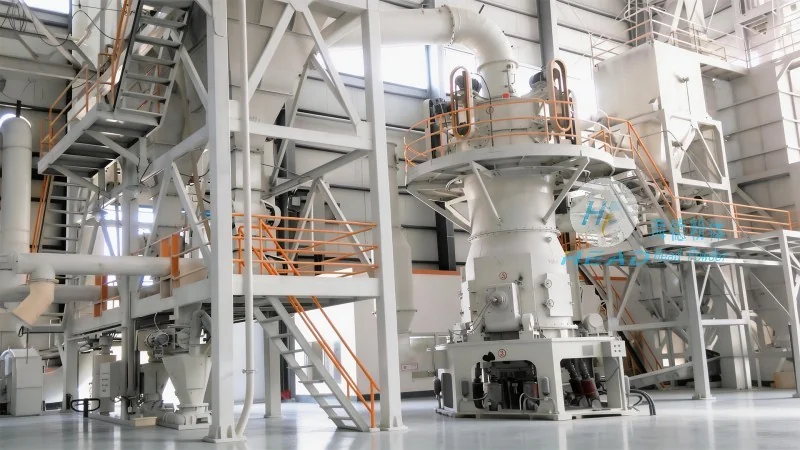
- **Dust Control**: Operating in a closed system reduces dust emissions, enhancing workplace safety and compliance with environmental regulations.
- **Versatility**: These systems can handle a wide range of powder types, including gypsum, and can be adapted to different pipeline configurations and distances.
- **Low Maintenance**: With fewer moving parts compared to mechanical conveying systems, pneumatic lines require less maintenance, reducing operational costs over time.
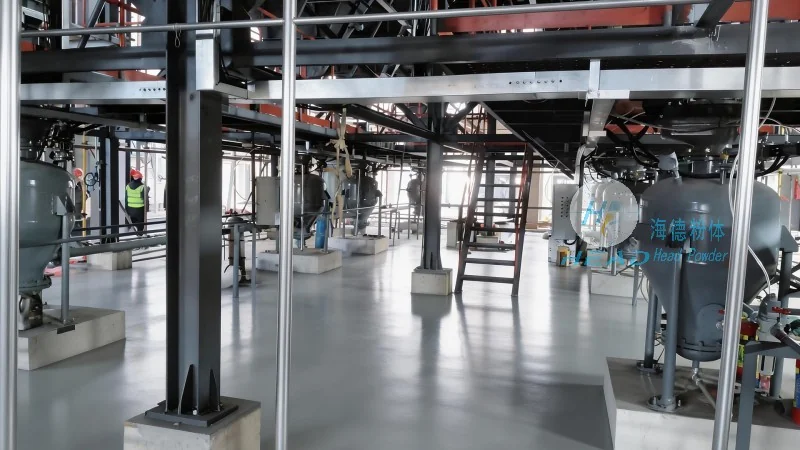
- **Product Integrity**: The enclosed environment protects the gypsum powder from moisture, contamination, and degradation, preserving its quality for downstream processes.
These features make the system particularly valuable in industries such as construction, pharmaceuticals, and food processing, where material purity and safety are critical.
Company Information and Contact Details
Shandong HeadPowder Engineering Co., Ltd., a leading provider of industrial conveying solutions, specializes in designing and manufacturing customized pneumatic conveying systems tailored to the needs of various industries. With a focus on innovation and quality, the company ensures that its products meet the highest standards of performance and reliability. HeadPowder's expertise in material handling technology enables clients to optimize their operations and achieve greater efficiency in transporting gypsum powder and other powders.
The company is located in Shandong, China, and serves clients globally with comprehensive solutions that enhance productivity and safety in industrial settings.