

[WOKING PRINCIPLE AND FEATURES OF A SODIUM SULFATE POWDER PNEUMATIC CONVEYING SYSTEM]
For industrial applications involving the handling of sodium sulfate powder, efficient and reliable material transport is crucial. A pneumatic conveying system designed specifically for sodium sulfate powder offers a solution that combines performance, safety, and operational efficiency. This article explores the working principle and key features of such a system, providing insights into its functionality and benefits.
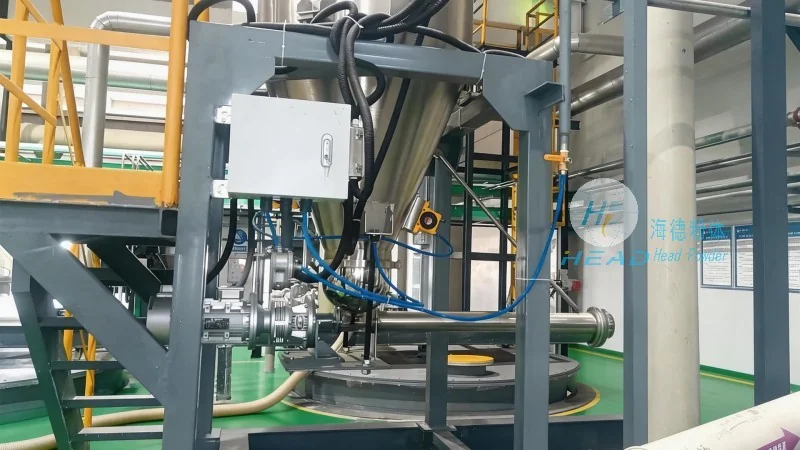
Introduction to Sodium Sulfate Powder Pneumatic Conveying Systems
Sodium sulfate, commonly known as Glauber's salt or mirabilite, is a white crystalline powder widely used in various industries, including chemical manufacturing, paper production, and glass processing. When handling this material, traditional methods like bucket elevators or belt conveyors may face challenges such as dust generation, material degradation, and operational inefficiencies. A pneumatic conveying system provides an alternative that addresses these issues by utilizing air to transport the powder through a pipeline network.
Working Principle of the Pneumatic Conveying System
The core mechanism of a sodium sulfate powder pneumatic conveying system relies on the principle of air movement to transport bulk material. The system typically consists of a blower or compressor that generates a high-pressure air stream, which is then directed into a hopper or feeder where the sodium sulfate powder is introduced. As the air flows through the pipeline, it creates a low-pressure zone that draws the powder particles into the air stream, forming a suspension. This mixture of air and powder is then transported through the pipeline to the destination point, such as a storage silo or processing unit.
Key components of the system include the air supply unit (blower or compressor), the feeding mechanism (hopper or rotary valve), the conveying pipeline, and the receiving equipment (silos or reactors). The air supply unit ensures a consistent flow of air at the required pressure and volume, while the feeding mechanism controls the rate of powder introduction to maintain a stable conveying condition. The pipeline network is designed with appropriate bends, valves, and filters to minimize pressure drop and prevent material blockages. The receiving equipment then separates the powder from the air, typically using cyclone separators or bag filters, before the powder is stored or processed.
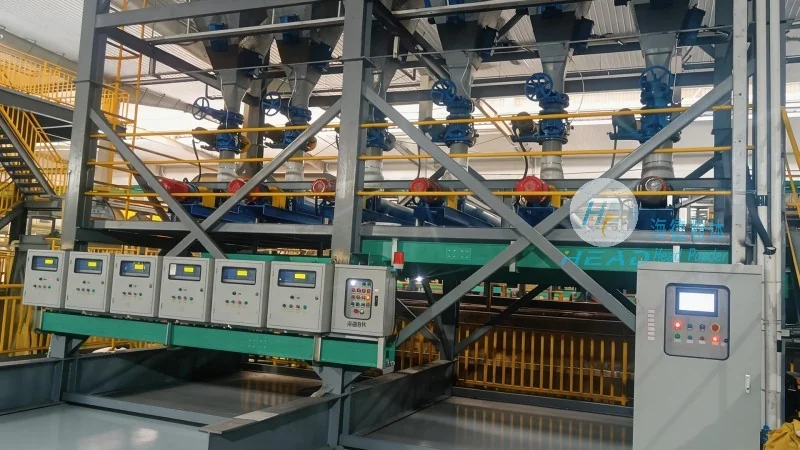
Key Features and Advantages of the System
Several distinct features make a sodium sulfate powder pneumatic conveying system an attractive choice for industrial applications:
1. Dust-Free Operation: Unlike traditional mechanical conveyors, pneumatic systems operate in a closed pipeline, effectively containing dust and preventing environmental contamination. This not only improves workplace safety but also reduces the risk of material loss due to spillage.
2. Gentle Material Handling: The air suspension method minimizes mechanical stress on the sodium sulfate powder, preserving its physical properties and preventing degradation or agglomeration. This is particularly important for sensitive materials that may be prone to clumping or particle breakage.
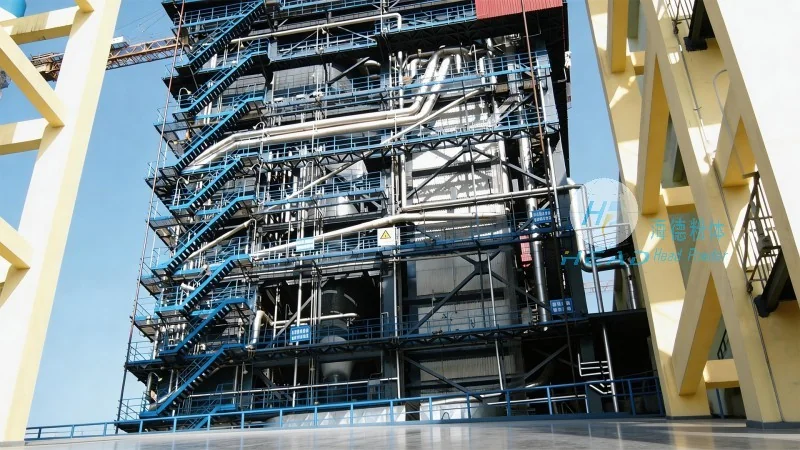
3. Versatile Conveying Capabilities: The system can handle a wide range of powder characteristics, including varying particle sizes, moisture content, and bulk densities. It can transport sodium sulfate powder over long distances and through complex layouts, making it suitable for large-scale industrial facilities.
4. Energy Efficiency: Modern pneumatic conveying systems are designed to optimize energy usage, with adjustable air flow and pressure control to match the specific conveying requirements. This results in reduced operational costs compared to other material handling methods.
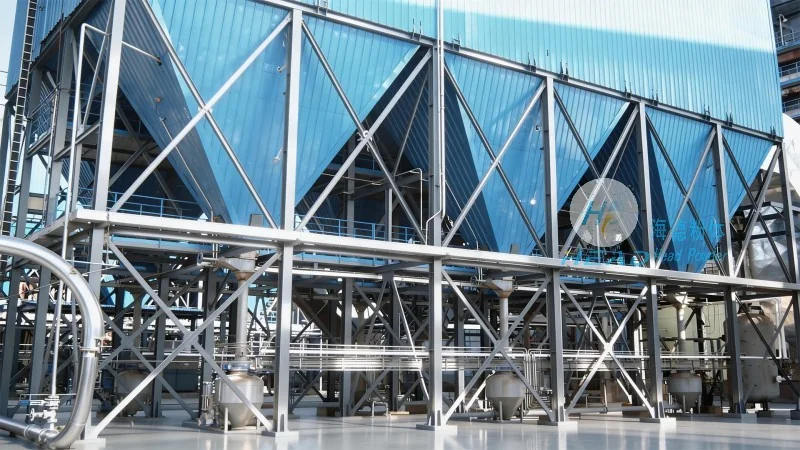
5. Easy Integration: The system can be easily integrated with existing industrial processes, such as storage, processing, or packaging operations. It can be customized to fit specific facility layouts and operational needs, providing flexibility in system design.
Company Information: Shandong HeadPowder Engineering Co., Ltd.
HeadPowder, a leading provider of industrial material handling solutions, specializes in designing and manufacturing pneumatic conveying systems tailored to the needs of various industries. With a focus on innovation and quality, the company has established itself as a trusted partner for businesses requiring reliable and efficient material transport solutions.
HeadPowder's team of experienced engineers and technicians works closely with clients to understand their specific requirements and develop customized solutions that meet their operational goals. The company's facilities are located in Shandong, China, where it leverages advanced manufacturing technologies and rigorous quality control processes to ensure the highest standards of product performance and durability.