With more than 10‑year industry experience, Shandong Headpowder delivers full‑service pneumatic‑conveying systems and blowers, undertaking nationwide turn‑key powder‑handling projects.
For professionals in the grain handling industry, selecting the right pneumatic conveying system is crucial for efficiency, reliability, and cost-effectiveness. This article provides a comprehensive overview of the design calculation process and equipment selection for grain pneumatic conveying systems, presented by Shandong HeadPowder Engineering Co., Ltd., a leading provider in the field.
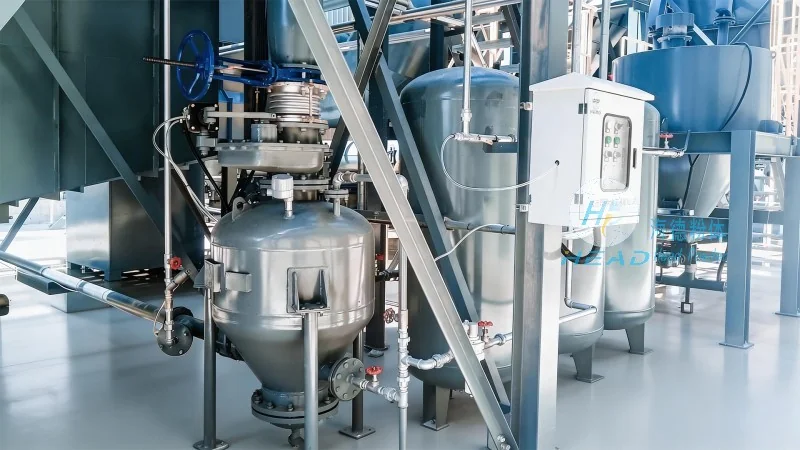
Pneumatic conveying systems are widely used in the grain industry to transport bulk materials like wheat, corn, rice, and other grains from one location to another. These systems use air pressure or vacuum to move materials through a pipeline, eliminating the need for mechanical components like belts or buckets. The efficiency and performance of a pneumatic conveying system depend heavily on accurate design calculations and appropriate equipment selection.
When designing a grain pneumatic conveying system, several critical factors must be considered to ensure optimal performance. These include the type of grain being conveyed, the distance and elevation changes, the required flow rate, and the system's operating pressure. The design process involves calculating the necessary air volume, pressure drop, and power consumption to achieve the desired conveying capacity.
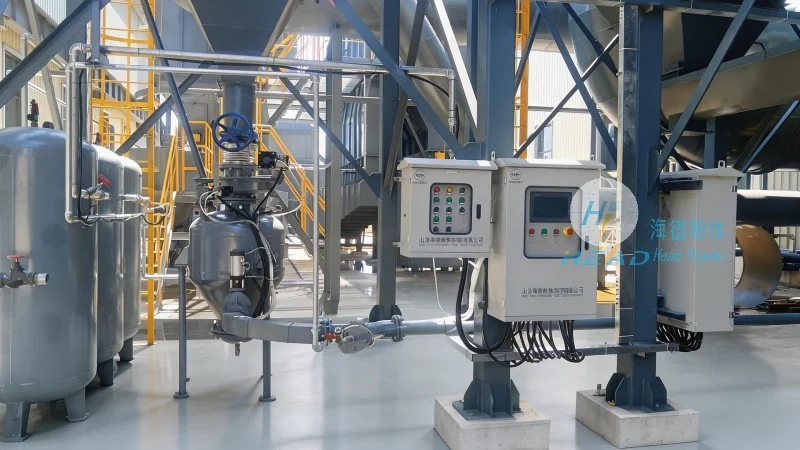
The design calculation for a grain pneumatic conveying system typically follows a systematic approach. First, the material properties of the grain, such as bulk density, particle size distribution, and flowability, are determined. Next, the system's layout is defined, including the pipeline length, number of bends, and elevation changes. Using these parameters, the air velocity and pressure drop are calculated to ensure the grain particles are adequately suspended and transported.
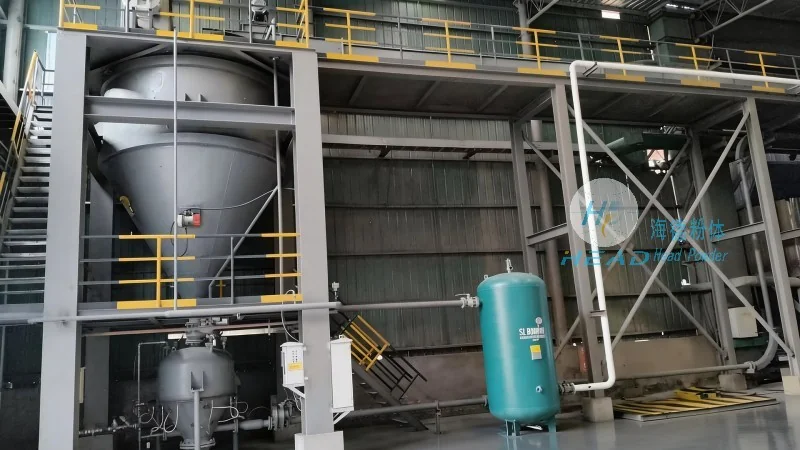
Choosing the right equipment for a grain pneumatic conveying system is essential for long-term performance and minimal maintenance. Key equipment includes the air compressor, feeders, cyclone separators, and discharge units. The air compressor must provide sufficient pressure and volume to overcome the system's resistance. Feeders are used to introduce the grain into the pipeline at a controlled rate, while cyclone separators separate the grain from the air stream for discharge. The selection of each component must align with the system's design calculations to ensure compatibility and efficiency.
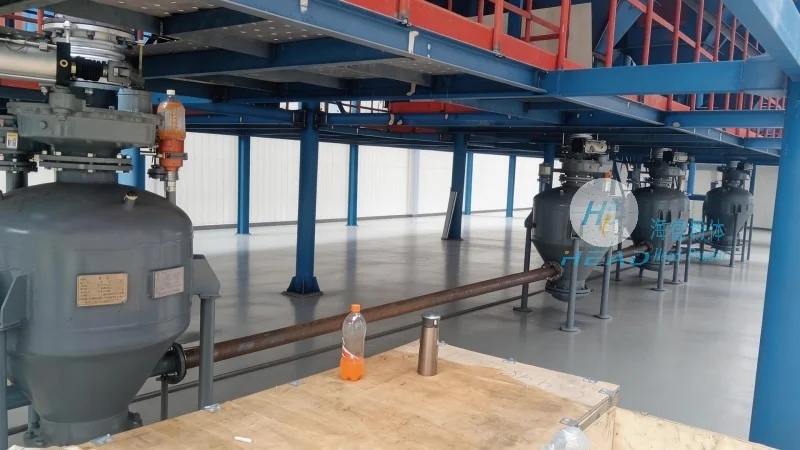
Engaging a professional engineering firm like Shandong HeadPowder Engineering Co., Ltd. for the design and equipment selection of a grain pneumatic conveying system offers numerous benefits. Their expertise ensures that the system is optimized for the specific grain type and operational requirements, reducing energy consumption and maintenance costs. Additionally, professional design minimizes the risk of system failures and downtime, which can be costly in the grain handling industry.
Accurate design calculation and proper equipment selection are fundamental to the success of grain pneumatic conveying systems. By considering the material properties, system layout, and operational requirements, engineers can design a system that meets the specific needs of the grain handling facility. Shandong HeadPowder Engineering Co., Ltd. specializes in providing comprehensive solutions for grain pneumatic conveying, ensuring that clients receive reliable, efficient, and cost-effective systems tailored to their unique requirements.

 Shandong Headpowder Engineering Co., Ltd.
 156-6277-7102(Manager Zhang)
  0531-83386006
  Zhangqiu District, Jinan City, Shandong Province, China
telephone
WeChatconsult
top