With more than 10‑year industry experience, Shandong Headpowder delivers full‑service pneumatic‑conveying systems and blowers, undertaking nationwide turn‑key powder‑handling projects.
Efficient and reliable powder handling is crucial in industrial applications, especially when dealing with materials like silicone powder. Pneumatic conveying systems have emerged as a preferred solution for transporting such powders due to their ability to handle fine particles and minimize contamination. This article delves into the concept of silicone powder pneumatic conveying equipment, exploring its structure and operational principles to provide a comprehensive understanding of this essential technology.
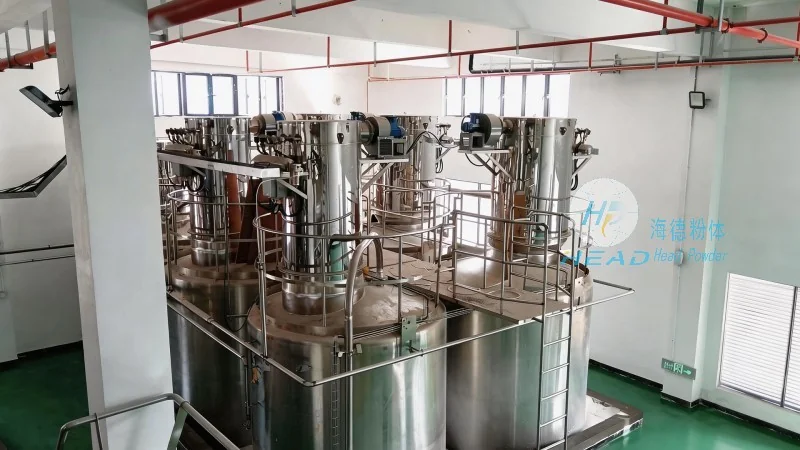
Pneumatic conveying equipment is designed to transport bulk materials, such as silicone powder, using a combination of air and mechanical forces. The system typically consists of several key components that work in tandem to ensure smooth and efficient material transfer. These components include a feeder, a conveying line, a separation unit, and a collection hopper. Each part plays a critical role in the overall functionality of the system.
The structure of a typical silicone powder pneumatic conveying system is engineered to handle the unique properties of silicone powder, which can be abrasive and sensitive to moisture. The system begins with a feeder, which is responsible for feeding the powder into the conveying line. The feeder can be either a rotary valve or a star feeder, depending on the specific requirements of the application. The feeder ensures a consistent flow of material, preventing blockages and maintaining system efficiency.
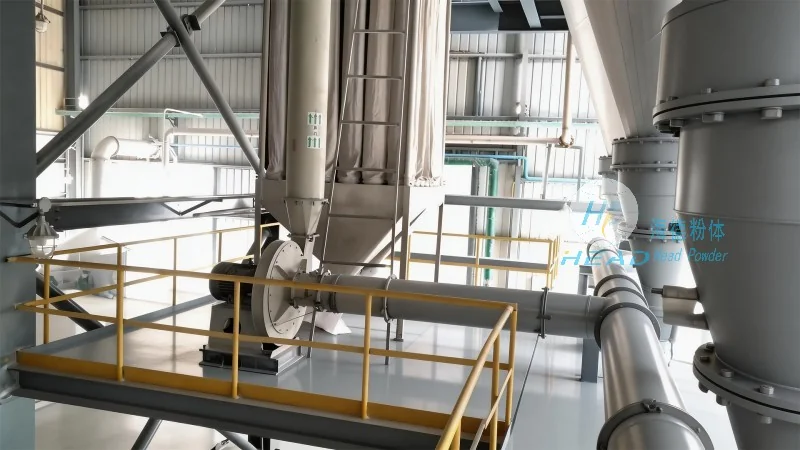
Next, the conveying line is where the actual transport of the powder occurs. The line is usually made of stainless steel or other corrosion-resistant materials to withstand the abrasive nature of silicone powder. The conveying air is introduced into the line, creating a flow that propels the powder particles forward. The air velocity is carefully controlled to ensure that the powder is transported without causing excessive wear on the system components.
Following the conveying line is the separation unit, which is crucial for separating the powder from the air. The most common type of separator is a cyclone separator, which uses centrifugal force to separate the heavier powder particles from the lighter air. The separated powder is then collected in a hopper, while the air is either filtered and released or recirculated back into the system. This step is vital for maintaining the purity of the powder and preventing dust emissions.
Each component of the silicone powder pneumatic conveying system contributes to its overall performance. The feeder ensures a consistent feed rate, the conveying line provides the necessary pressure and velocity for transport, and the separator maintains the quality of the powder. The system is designed to be modular, allowing for easy integration into existing production lines and adaptability to different production scales.
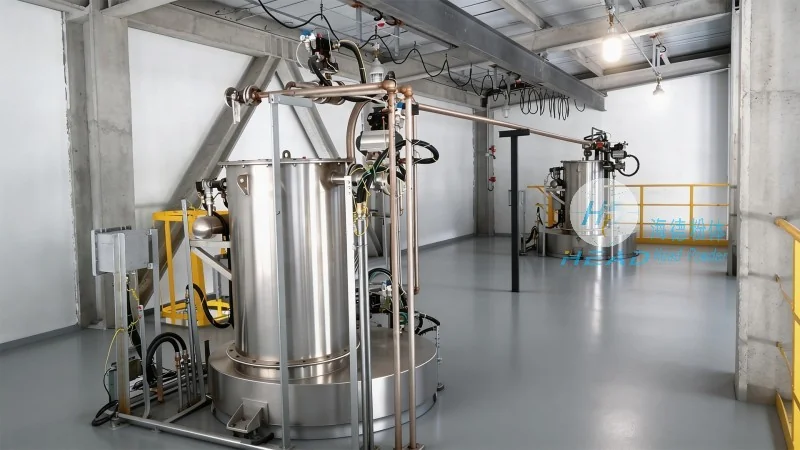
HeadPowder, a leading manufacturer in the field, specializes in the design and production of high-quality pneumatic conveying equipment. With a focus on innovation and customer satisfaction, HeadPowder has developed advanced systems tailored to the specific needs of industries dealing with silicone powder. The company's expertise in material handling and process engineering ensures that their equipment is reliable, efficient, and cost-effective.
HeadPowder Engineering Co., Ltd., located in Shandong, China, is committed to providing top-tier solutions for powder handling challenges. The company's facilities are equipped with state-of-the-art technology and a team of experienced engineers who are dedicated to delivering products that meet the highest standards of quality and performance. By choosing HeadPowder's pneumatic conveying equipment, industries can enhance their operational efficiency and ensure the safe and effective handling of silicone powder.

 Shandong Headpowder Engineering Co., Ltd.
 156-6277-7102(Manager Zhang)
  0531-83386006
  Zhangqiu District, Jinan City, Shandong Province, China
telephone
WeChatconsult
top