With more than 10‑year industry experience, Shandong Headpowder delivers full‑service pneumatic‑conveying systems and blowers, undertaking nationwide turn‑key powder‑handling projects.
For industrial operations in the mining sector, the efficient and reliable transportation of bulk powders is a critical challenge. This is where specialized equipment like the mine powder conveyor comes into play, offering a solution that combines functionality with robust engineering. In this article, we delve into the concept of mine powder conveyors, exploring their design principles and the key factors that make them indispensable in modern mining operations.

A mine powder conveyor is a specialized type of bulk material handling equipment designed to transport dry powders, granules, and other fine particulate materials over long distances with minimal loss and maximum efficiency. These systems are integral to mining operations, as they enable the safe and effective movement of materials from extraction sites to processing facilities or storage areas. The primary goal of such conveyors is to ensure that powders are transported without segregation, degradation, or contamination, which are common issues in traditional handling methods like trucks or buckets.
The design of a mine powder conveyor is guided by several fundamental principles that ensure optimal performance and durability. First, the system must be capable of handling the specific characteristics of the material being transported, such as particle size, moisture content, and flowability. This involves selecting appropriate components like hoppers, feeders, and conveyor belts or pipes that are resistant to abrasion and corrosion, given the harsh conditions in mining environments.
Second, the design emphasizes the minimization of material degradation and segregation. This is achieved through features like enclosed systems, which prevent exposure to air and moisture, and gentle material handling mechanisms that avoid excessive friction or impact. The conveyor's layout, including the angle of inclination and the speed of the conveyor belt or screw, is carefully calculated to maintain the material's integrity throughout the transport process.
Third, the system must be energy-efficient and cost-effective. This involves optimizing the power consumption of motors and drives, as well as reducing maintenance costs through the use of durable materials and reliable components. Modern mine powder conveyors often incorporate variable speed drives and intelligent control systems that adjust the conveyor's speed based on the load, further enhancing energy efficiency.
Fourth, safety and operational reliability are paramount. The design incorporates safety features such as emergency stop buttons, overload protection, and monitoring systems that alert operators to any issues. The robust construction of the conveyor, including reinforced frames and secure connections, ensures that it can withstand the demanding conditions of mining sites, including vibrations, temperature fluctuations, and exposure to dust and chemicals.
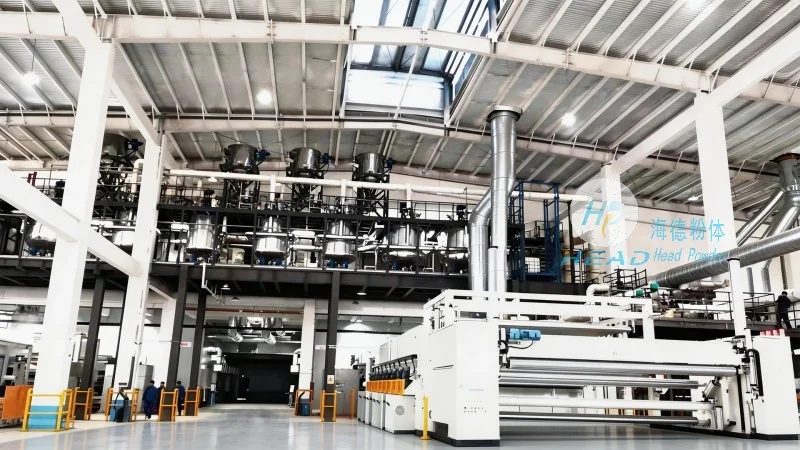
At the heart of a mine powder conveyor are several key components that work in harmony to ensure efficient operation. The hopper or feeder is the entry point, where the material is loaded into the system. It is designed to control the flow of material and prevent overloading, which can lead to blockages or damage to the conveyor. The conveyor itself, which can be a belt conveyor, screw conveyor, or pneumatic conveyor, is responsible for moving the material along the designated path.
Belt conveyors are commonly used for horizontal or slightly inclined transport, offering high capacity and low maintenance. Screw conveyors are ideal for vertical or inclined transport, as they can handle a wide range of materials and are self-priming. Pneumatic conveyors, on the other hand, use air pressure to transport materials, making them suitable for fine powders that are difficult to handle with other methods.
Control systems play a crucial role in managing the conveyor's operation. These systems include sensors that monitor the material level, speed, and temperature, as well as controllers that adjust the conveyor's speed and power consumption based on real-time data. This automation ensures that the conveyor operates efficiently and safely, reducing the risk of human error and improving overall productivity.
Mine powder conveyors are widely used in various mining operations, from coal and mineral extraction to ore processing. In coal mines, for example, they are used to transport coal from the extraction site to processing plants or storage facilities. In mineral processing, they help move ore from the crushing and grinding stages to the next processing steps, such as flotation or concentration.
The versatility of mine powder conveyors makes them suitable for a wide range of applications. They can be customized to handle different materials, such as limestone, cement, or fly ash, and can be integrated into existing mining infrastructure with minimal disruption. This adaptability is a key advantage for mining companies, as it allows them to optimize their material handling processes and reduce operational costs.
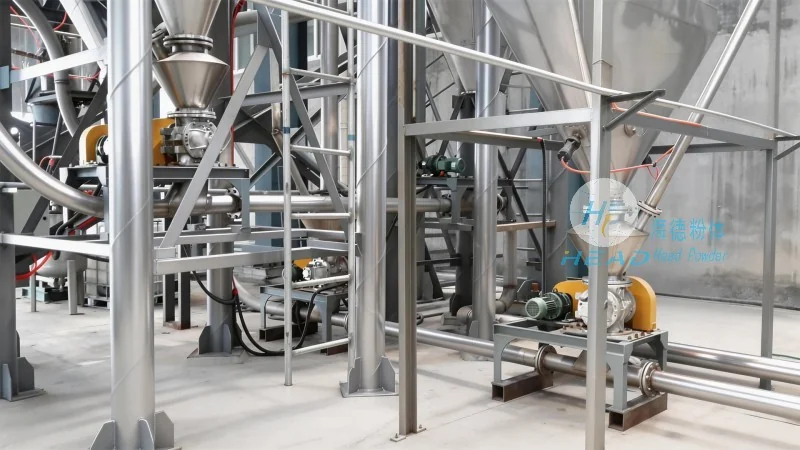
Compared to traditional material handling methods, mine powder conveyors offer several advantages that make them the preferred choice for many mining operations. First, they are highly efficient, capable of transporting large volumes of material over long distances with minimal energy consumption. This leads to significant cost savings in terms of fuel and labor.
Second, they are more reliable and durable, with longer service life and lower maintenance requirements. The use of high-quality materials and robust construction ensures that the conveyor can withstand the harsh conditions of mining sites, reducing downtime and repair costs.
Third, they are safer and more environmentally friendly. Enclosed systems prevent dust and particles from being released into the air, reducing the risk of respiratory problems for workers and minimizing environmental impact. Additionally, the reduction in truck traffic on mining sites improves safety and reduces noise pollution.
Fourth, they offer greater flexibility and customization. Mining operations can adjust the conveyor's design and components to meet their specific needs, such as changing the conveyor's length or speed to accommodate different material volumes or processing requirements.
Mine powder conveyors are an essential component of modern mining operations, providing a reliable and efficient solution for the transportation of bulk powders. Their design principles, which focus on material handling efficiency, durability, and safety, make them a valuable investment for mining companies. By understanding the key components and design principles of these systems, mining operations can optimize their material handling processes and improve overall productivity.

 Shandong Headpowder Engineering Co., Ltd.
 156-6277-7102(Manager Zhang)
  0531-83386006
  Zhangqiu District, Jinan City, Shandong Province, China
telephone
WeChatconsult
top