With more than 10‑year industry experience, Shandong Headpowder delivers full‑service pneumatic‑conveying systems and blowers, undertaking nationwide turn‑key powder‑handling projects.
For manufacturers and processing facilities dealing with cathode materials, the efficient and reliable handling of these powders is critical to production efficiency and product quality. A specialized piece of equipment, the cathode material powder conveying system, is designed to address these needs by ensuring safe, controlled, and consistent movement of the material through various stages of production. This article explores what such equipment is and the underlying design principles that make it effective.
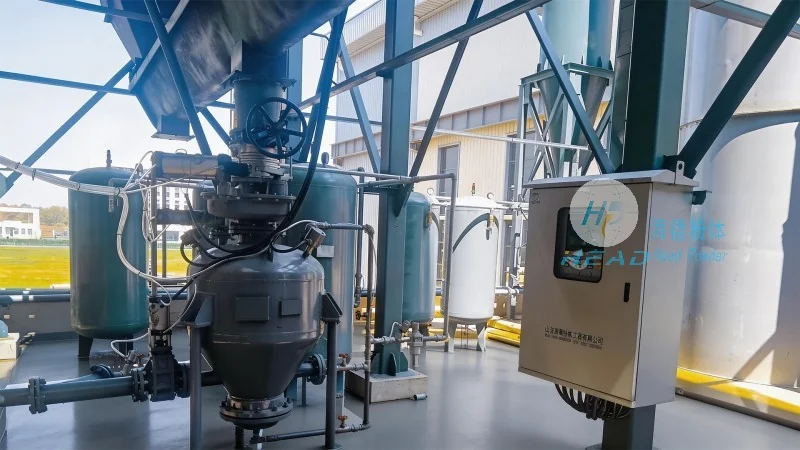
At the core of many battery manufacturing processes, cathode materials are essential components that determine the performance of lithium-ion batteries. These materials are typically fine powders, which require specialized handling to prevent contamination, agglomeration, or loss during transport. The cathode material powder conveying equipment is engineered to manage these challenges by providing a system that can handle the unique properties of these powders, including their fine particle size, potential reactivity, and sensitivity to moisture or air exposure.
The design of a cathode material powder conveying system is built around several key components that work in concert to ensure optimal performance. These components typically include a hopper or feed hopper to store and feed the material, a conveying mechanism (such as a screw conveyor, pneumatic conveyor, or rotary valve), and a control system to regulate the flow and speed. The choice of components is influenced by factors like the material's characteristics, the required conveying capacity, and the overall system layout.
One of the fundamental design principles is the minimization of material exposure to air and moisture. Cathode powders are often hygroscopic and can degrade when exposed to moisture, which can affect their performance in the final battery product. Therefore, the equipment is often designed with enclosed systems and sealed connections to maintain a dry environment. Additionally, the design aims to reduce friction and wear on the components to prevent contamination from metal particles or other debris.
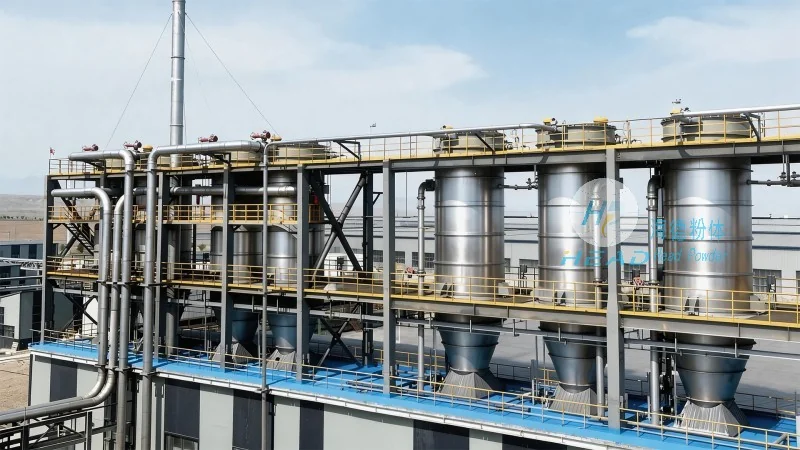
The operational principle of a cathode material powder conveying system involves the controlled movement of the powder from a storage or processing area to a mixing, coating, or packaging unit. The system typically starts with the material being fed from a hopper into the conveying mechanism. Depending on the type of conveyor, this may involve mechanical movement (like a screw or belt) or air pressure (in pneumatic systems). The speed and pressure are carefully controlled to ensure a consistent flow rate, preventing overloading or clogging.
For example, a screw conveyor uses a rotating screw to push the material forward, while a pneumatic conveyor uses compressed air to transport the powder in a sealed tube. Both systems are designed to handle the fine particles without causing excessive pressure or friction that could damage the particles or the equipment. The control system monitors parameters such as flow rate, pressure, and temperature to maintain optimal conditions throughout the conveying process.
The cathode material powder conveying equipment plays a vital role in various stages of battery production, from raw material handling to final product assembly. In the raw material processing stage, it can transport the cathode powder from storage to mixing equipment, ensuring a uniform blend of ingredients. During the coating process, the equipment delivers the powder to the coating machine at a precise rate, which is crucial for achieving the correct thickness and composition of the cathode layer.
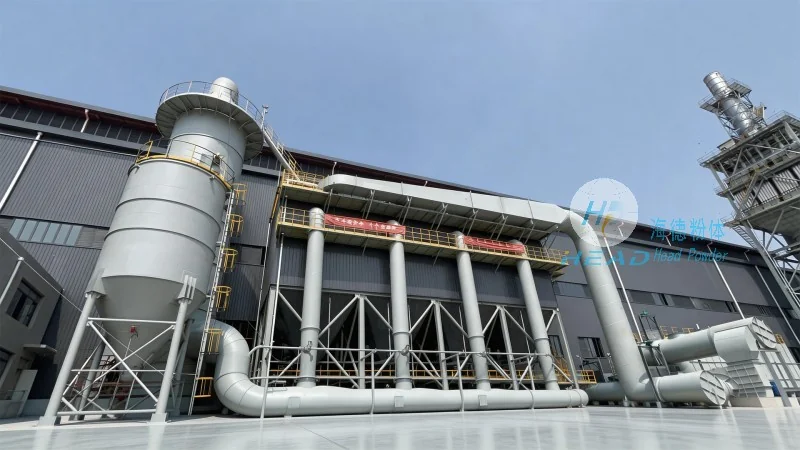
The benefits of using specialized conveying equipment for cathode materials extend beyond operational efficiency. By maintaining a controlled environment and preventing contamination, the equipment helps to improve the quality and consistency of the final battery product. This, in turn, enhances the performance and reliability of the batteries, which is critical for applications in electric vehicles, renewable energy storage, and consumer electronics.
Shandong HeadPowder Engineering Co., Ltd., a leading manufacturer in the field, specializes in designing and producing high-quality cathode material powder conveying equipment. With a focus on innovation and customer needs, the company has developed systems tailored to the specific requirements of battery manufacturers. HeadPowder's equipment is engineered to meet stringent industry standards, ensuring reliability, durability, and efficiency in handling cathode materials.
HeadPowder's facilities are located in Shandong, China, where the company leverages advanced manufacturing technologies and a team of experienced engineers to deliver solutions that address the unique challenges of powder handling in battery production. The company's commitment to quality and customer satisfaction has made it a trusted partner for many battery manufacturers worldwide.

 Shandong Headpowder Engineering Co., Ltd.
 156-6277-7102(Manager Zhang)
  0531-83386006
  Zhangqiu District, Jinan City, Shandong Province, China
telephone
WeChatconsult
top