With more than 10‑year industry experience, Shandong Headpowder delivers full‑service pneumatic‑conveying systems and blowers, undertaking nationwide turn‑key powder‑handling projects.
When it comes to handling gypsum powder in industrial settings, the choice of conveying equipment is critical for efficiency, safety, and overall operational performance. Gypsum, a common mineral used in construction materials like drywall and cement, requires specialized equipment to ensure its transport from storage to processing or packaging stages without degradation or loss. This is where gypsum powder conveying equipment comes into play, designed to meet the unique challenges of handling this fine, dry material.
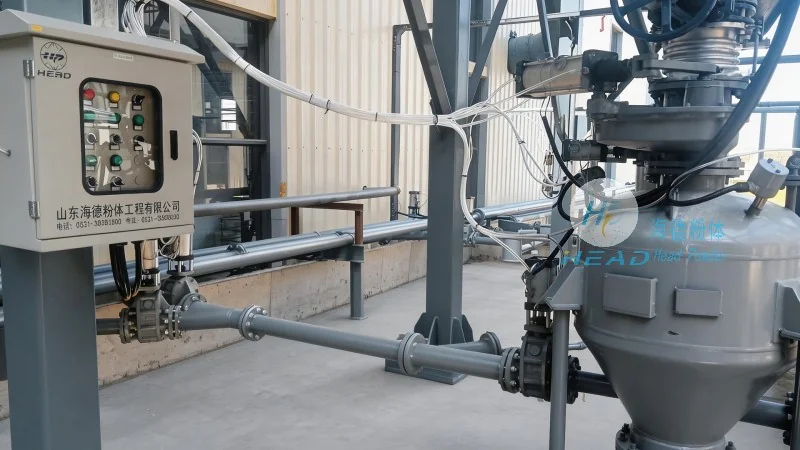
Gypsum powder conveying equipment is a specialized system engineered to transport gypsum powder from its source, such as storage silos or production lines, to the next stage of processing or packaging. These systems are essential in industries where gypsum is a primary raw material, including construction, manufacturing of building materials, and chemical processing. The equipment is designed to handle the fine, powdery nature of gypsum, which can be prone to caking, dust generation, and blockages if not managed properly. By using advanced materials and engineering techniques, these systems ensure reliable, continuous, and safe transport of gypsum powder.
The design of gypsum powder conveying equipment is based on several key principles that address the specific properties of gypsum and the requirements of industrial applications. First, the equipment must be constructed from materials that are resistant to corrosion and wear, as gypsum can be abrasive and may contain moisture that could lead to rust or degradation over time. Common materials used include stainless steel, special alloys, and corrosion-resistant plastics, ensuring long-term durability and minimal maintenance.
Second, the system must incorporate features to prevent dust generation and caking. Gypsum is a fine powder that can easily become airborne, posing health risks and causing operational issues. Therefore, equipment often includes dust suppression mechanisms, such as sealed containers, air filtration systems, and anti-static coatings. Additionally, the design may include agitators or vibrators to prevent the powder from settling and caking in the conveying lines, maintaining consistent flow rates.
Third, the conveying equipment must be designed for efficient and continuous operation. This involves selecting appropriate conveying methods, such as pneumatic or mechanical systems, based on the specific application and material characteristics. Pneumatic conveying systems use air to move the powder through pipes, while mechanical systems use screws, belts, or buckets to transport the material. The choice of method depends on factors like the distance to be covered, the volume of material to be transported, and the need for gentle handling to avoid product degradation.
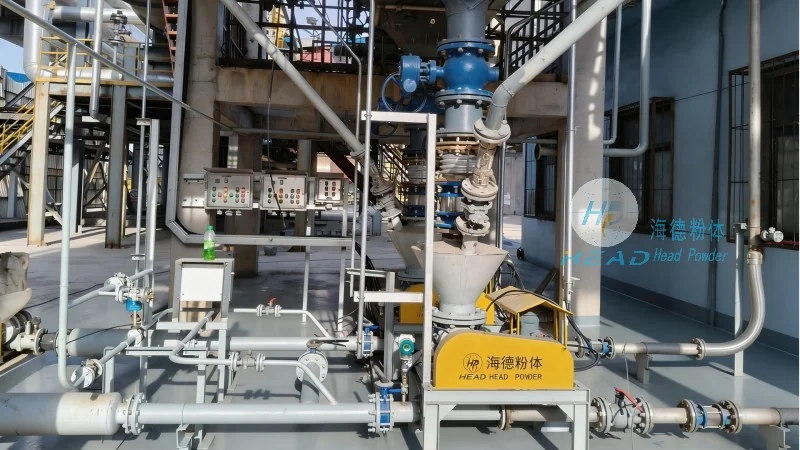
Fourth, safety and maintenance considerations are integral to the design. Gypsum powder can be a respiratory irritant, so equipment must be equipped with safety features like dust extraction, proper ventilation, and secure access points. Regular maintenance is also crucial to prevent blockages and ensure the system operates at optimal efficiency. The design may include easy-to-clean components, accessible maintenance points, and monitoring systems to detect issues early and prevent downtime.
Gypsum powder conveying systems typically consist of several key components that work together to ensure efficient transport. The primary components include a hopper or storage silo for holding the gypsum powder, a feeder or metering device to control the flow rate, a conveying mechanism (either pneumatic or mechanical), and a discharge point for delivering the powder to the next stage of processing or packaging. The hopper is usually designed with a sloped bottom to prevent caking and ensure smooth material flow. The feeder may be a rotary valve, screw feeder, or vibratory feeder, depending on the system requirements, and is used to regulate the amount of powder entering the conveying line.
The conveying mechanism is the core of the system, responsible for moving the powder from the feeder to the discharge point. In pneumatic systems, air is introduced into the system, creating a flow that carries the powder through the pipes. The air velocity is carefully controlled to ensure the powder is transported without settling or caking. In mechanical systems, components like screw conveyors or bucket elevators use mechanical force to move the powder, often with the assistance of a drive system and bearings to reduce friction and wear.
The discharge point is where the gypsum powder is released from the system, typically into a processing machine or packaging unit. This component is designed to minimize dust and ensure a controlled release of the material. Some systems may include a dust collection system at the discharge point to capture any airborne particles and prevent environmental contamination.

Gypsum powder conveying equipment is widely used in various industrial applications where gypsum is a key raw material. In the construction industry, these systems are essential for transporting gypsum from storage to manufacturing facilities, where it is used to produce drywall, plaster, and other building materials. The equipment ensures that the gypsum powder is delivered in a consistent and controlled manner, which is crucial for maintaining the quality and consistency of the final products.
In the manufacturing of building materials, the conveying equipment helps to integrate gypsum with other raw materials, such as sand or cement, to create composite materials. The efficient transport of gypsum ensures that the mixing process is smooth and that the final product has the desired properties, such as strength and durability. Additionally, the equipment helps to reduce labor costs and improve production efficiency by automating the material handling process.
Another application is in the chemical processing industry, where gypsum is used as a filler or binder in various products. The conveying equipment ensures that the gypsum powder is delivered to the processing line in a controlled manner, preventing caking and ensuring consistent product quality. The system also helps to reduce the risk of dust exposure for workers, improving workplace safety.
The benefits of using specialized gypsum powder conveying equipment extend beyond just efficient transport. These systems help to improve product quality by maintaining the purity and consistency of the gypsum powder. They also enhance safety by reducing dust generation and providing proper ventilation. Additionally, the equipment can help to reduce maintenance costs and downtime by incorporating features that prevent blockages and simplify cleaning.

 Shandong Headpowder Engineering Co., Ltd.
 156-6277-7102(Manager Zhang)
  0531-83386006
  Zhangqiu District, Jinan City, Shandong Province, China
telephone
WeChatconsult
top