With more than 10‑year industry experience, Shandong Headpowder delivers full‑service pneumatic‑conveying systems and blowers, undertaking nationwide turn‑key powder‑handling projects.
Sintering dust removal material handling is a critical process in industrial operations, particularly within the sintering industry. This process involves the efficient collection, transport, and disposal of dust and fine particles generated during sintering operations. The effectiveness of this material handling system directly impacts operational efficiency, environmental compliance, and overall plant safety. Understanding the design principles behind such systems is essential for optimizing performance and ensuring long-term reliability.
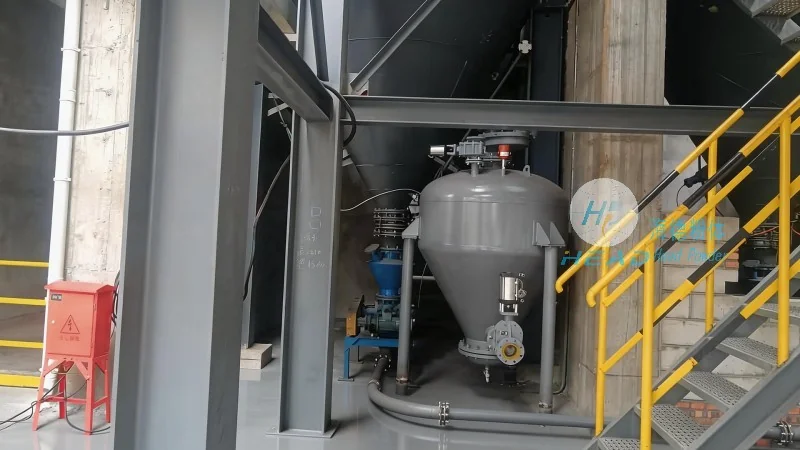
Sintering is a thermal process used to bond particles together to form a solid mass. During this process, significant amounts of dust and fine particulate matter are produced, which can pose health risks to workers and environmental hazards if not properly managed. Material handling systems for sintering dust removal are designed to capture these particles at their source and transport them to a collection or treatment facility. The primary goal is to minimize dust emissions, maintain air quality, and ensure compliance with environmental regulations. A well-designed system integrates various components, including dust collectors, conveyors, and control mechanisms, to achieve these objectives efficiently.
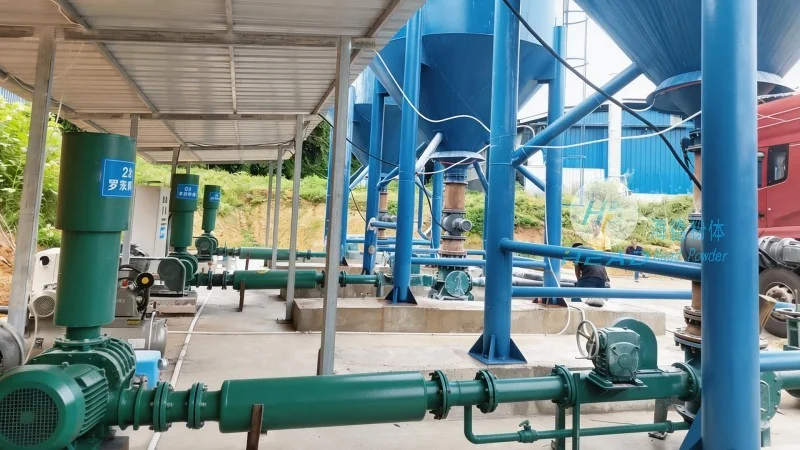
The design of a sintering dust removal material handling system involves careful consideration of several key components and factors. First, the type of dust collector is chosen based on the characteristics of the dust, such as particle size, moisture content, and chemical composition. Common types include baghouse filters, cartridge filters, and electrostatic precipitators, each with its own advantages and limitations. The selection of the dust collector impacts the overall efficiency of dust capture and the system's maintenance requirements. Next, the conveyor system plays a crucial role in transporting the collected dust from the collector to storage or disposal areas. Conveyors can be categorized as belt conveyors, screw conveyors, or pneumatic conveyors, depending on the material's properties and the system's layout. The design must ensure minimal material degradation, consistent flow, and energy efficiency. Additionally, the system's control and monitoring mechanisms are vital for maintaining optimal performance. Sensors and control panels allow operators to monitor dust levels, system pressure, and operational status in real-time, enabling timely adjustments and preventing system failures.
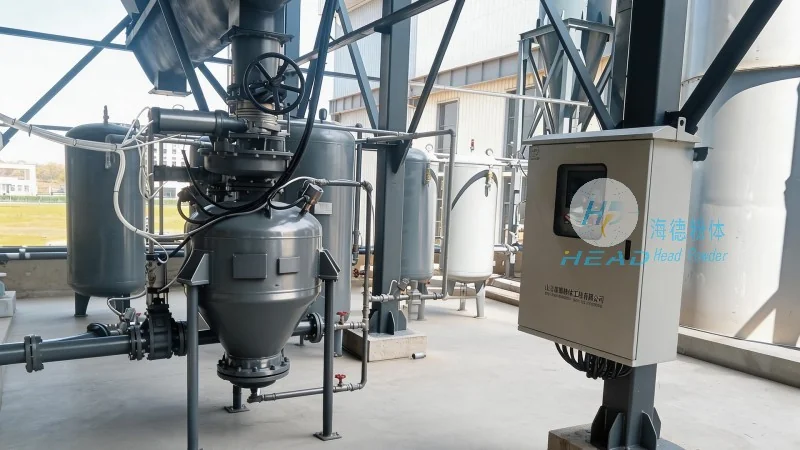
Shandong HeadPowder Engineering Co., Ltd., commonly known as headpowder, is a leading provider of engineering solutions for material handling systems, including those for sintering dust removal. With years of experience in the industry, headpowder specializes in designing and implementing customized systems tailored to the specific needs of clients. The company's approach emphasizes a comprehensive understanding of the client's operational requirements, environmental regulations, and budget constraints. By leveraging advanced technology and engineering expertise, headpowder develops systems that are not only efficient but also cost-effective and sustainable. The company's team of experienced engineers and technicians work closely with clients to assess their current systems, identify areas for improvement, and propose solutions that enhance performance and reduce operational costs. Headpowder's commitment to quality and customer satisfaction has made it a trusted partner for many industrial facilities seeking reliable dust removal solutions.
Implementing an optimized sintering dust removal material handling system offers numerous benefits for industrial operations. Firstly, it significantly reduces dust emissions, contributing to improved air quality and compliance with environmental regulations. This not only helps avoid penalties and legal issues but also enhances the company's reputation as an environmentally responsible organization. Secondly, the system improves workplace safety by minimizing exposure to harmful dust particles, thereby reducing the risk of respiratory illnesses and other health issues among workers. Thirdly, efficient material handling reduces downtime and maintenance costs by preventing system failures and ensuring consistent operation. The optimized design also enhances energy efficiency, leading to lower operational costs and a smaller carbon footprint. Additionally, the system's reliability ensures that the sintering process can continue without interruptions, maintaining production schedules and meeting customer demands. Overall, a well-designed sintering dust removal material handling system is a critical investment that delivers long-term benefits for both the environment and the business.
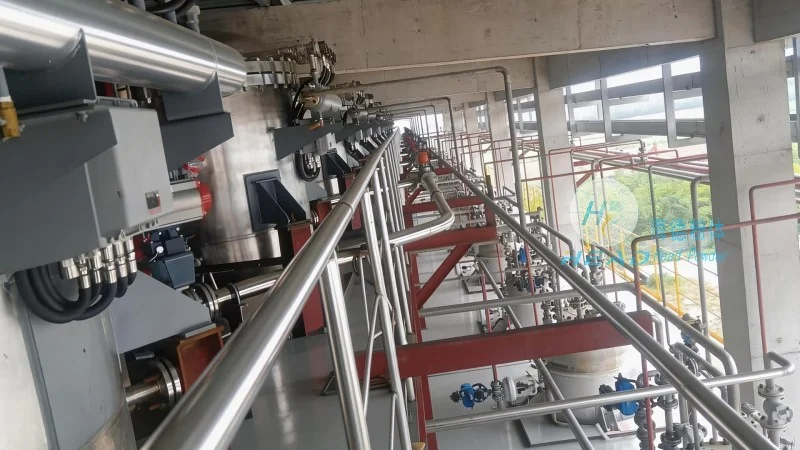
In conclusion, sintering dust removal material handling is a complex but essential process in industrial operations. The design principles behind such systems are multifaceted, requiring careful consideration of various components and operational factors. By understanding these principles and leveraging the expertise of companies like Shandong HeadPowder Engineering Co., Ltd., industrial facilities can implement effective dust removal systems that enhance operational efficiency, ensure environmental compliance, and improve workplace safety. The investment in a well-designed material handling system is a strategic decision that yields significant returns in terms of cost savings, environmental responsibility, and long-term sustainability.

 Shandong Headpowder Engineering Co., Ltd.
 156-6277-7102(Manager Zhang)
  0531-83386006
  Zhangqiu District, Jinan City, Shandong Province, China
telephone
WeChatconsult
top