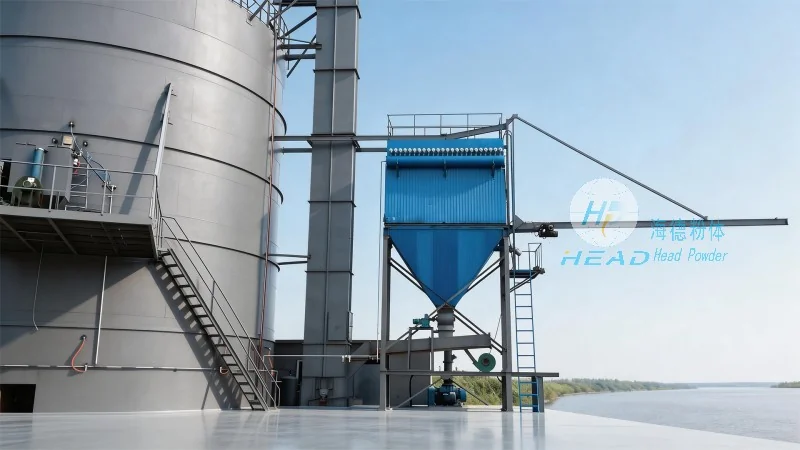
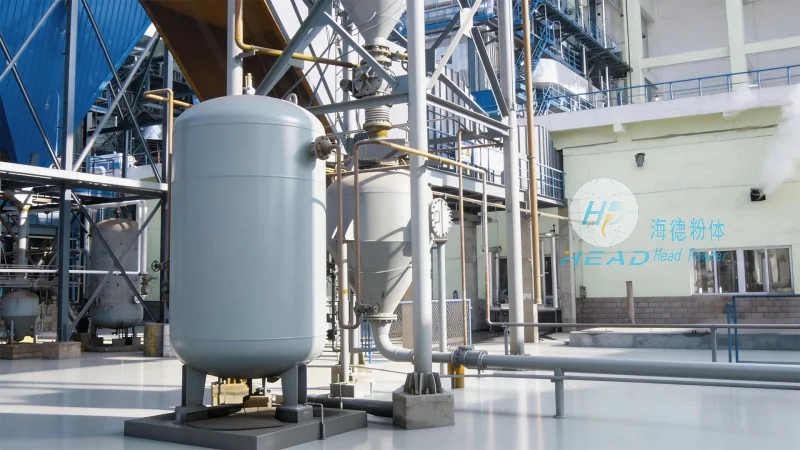
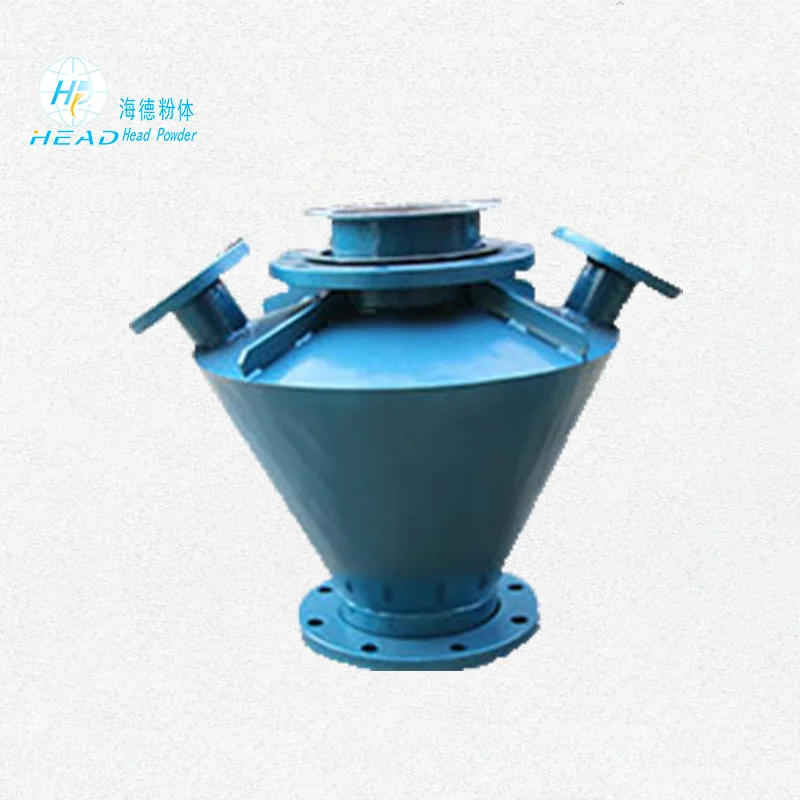
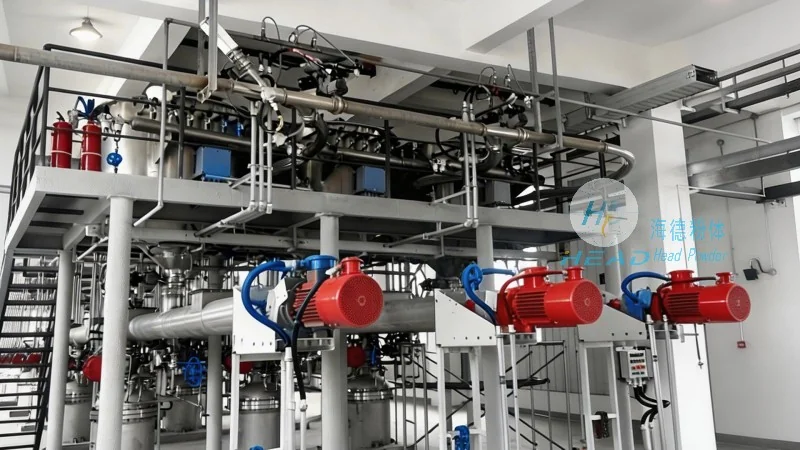
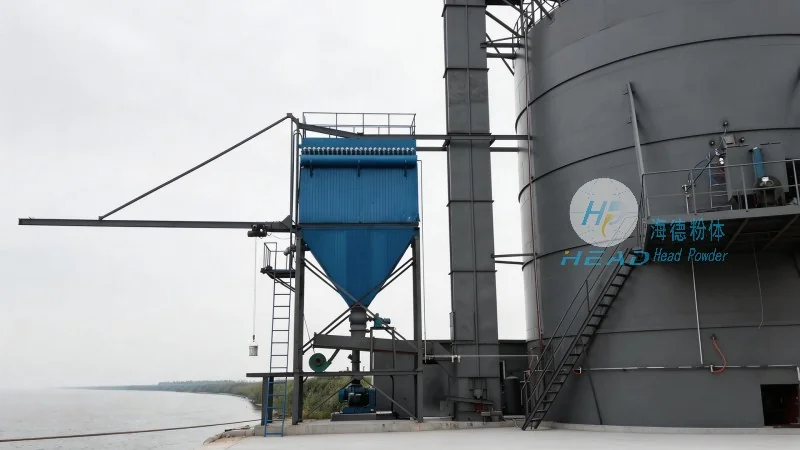
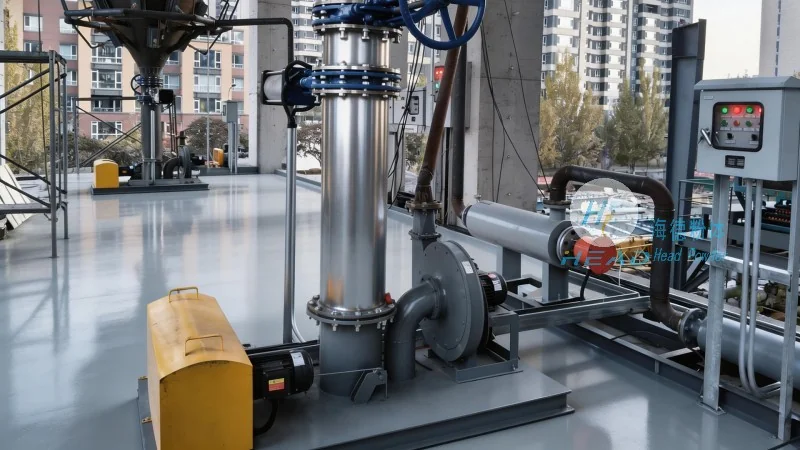
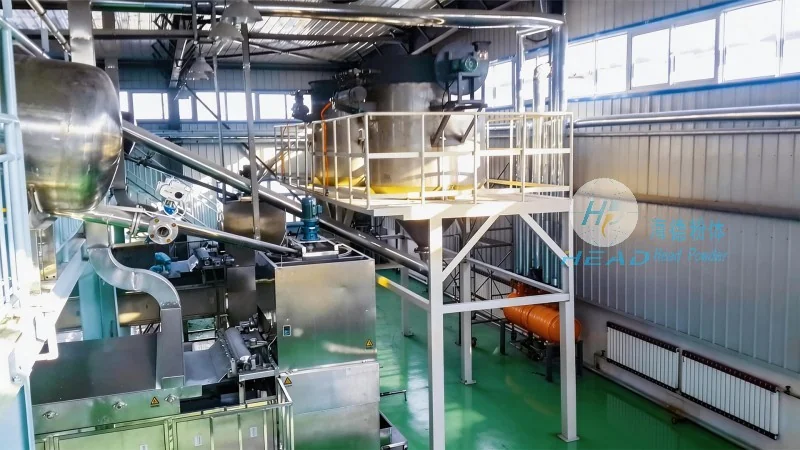
With more than 10‑year industry experience, Shandong Headpowder delivers full‑service pneumatic‑conveying systems and blowers, undertaking nationwide turn‑key powder‑handling projects.
Fluid management is a critical component in modern industrial operations, requiring precise regulation of pressure, flow rate, and temperature to ensure operational efficiency and safety. At the heart of these control systems lies the **pneumatic control valve**, a device that translates pneumatic energy into mechanical motion to adjust the opening of a valve. Unlike manual valves, which require physical labor to operate, pneumatic valves utilize compressed air to drive an actuator, providing rapid response times and consistent performance. This technology is indispensable in sectors ranging from chemical processing and power generation to water treatment and oil refining. By automating the flow of fluids, industries can maintain optimal process conditions, reduce human error, and enhance overall system stability.
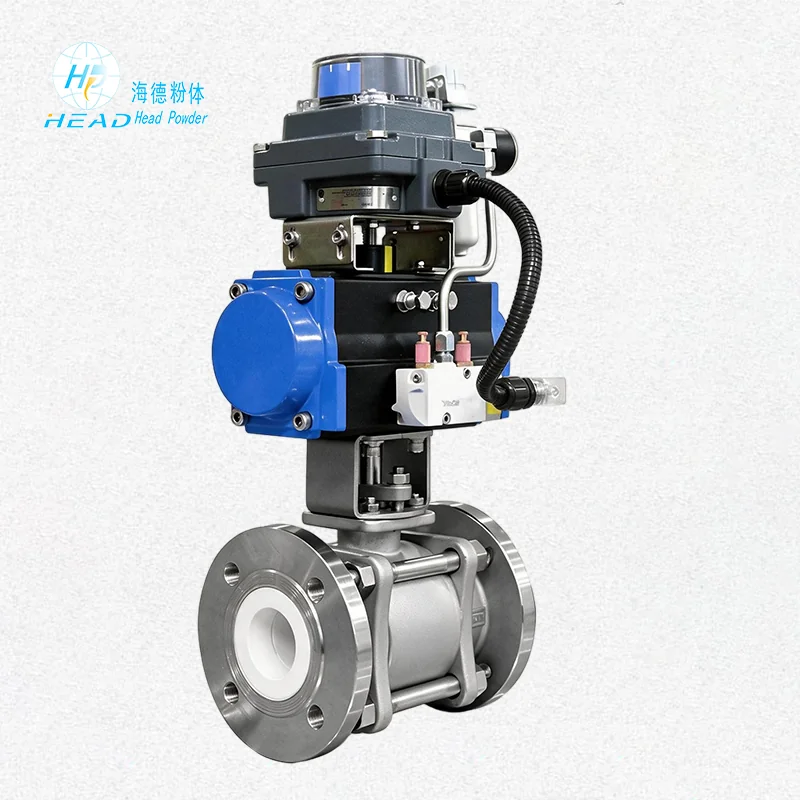
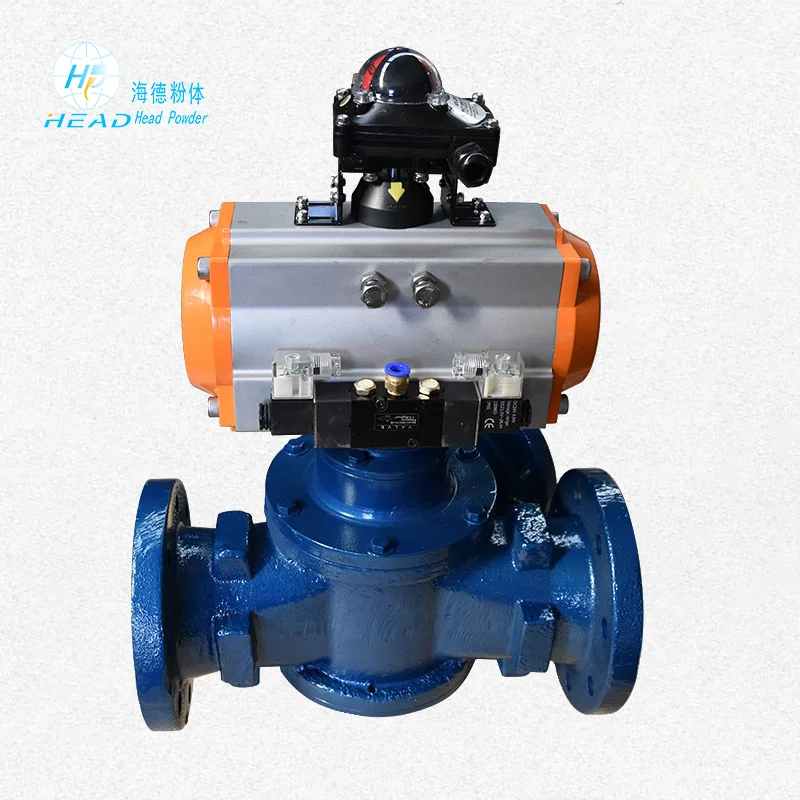
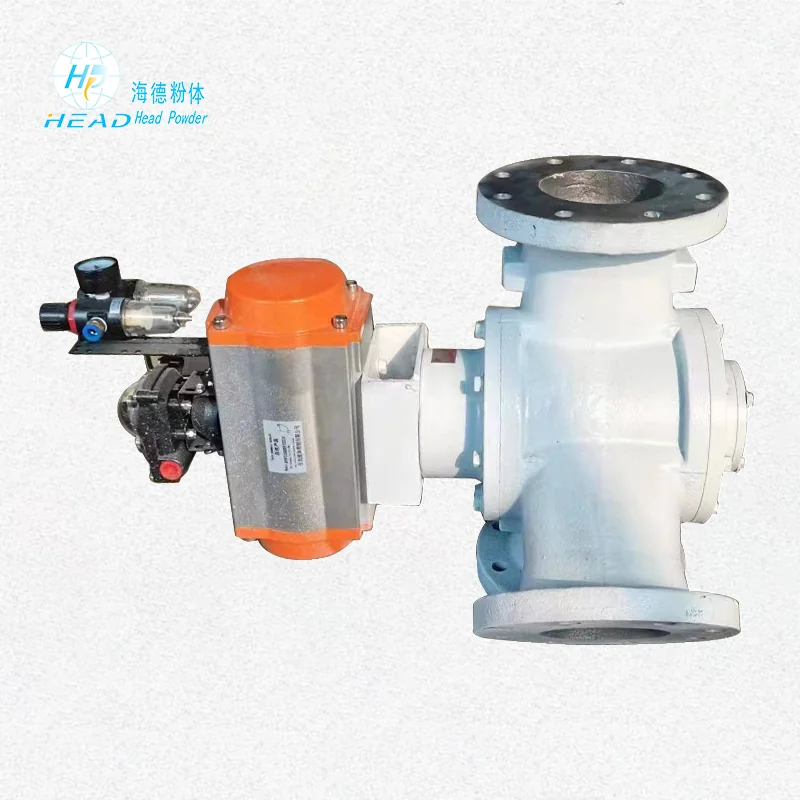
The operation of a pneumatic control valve is based on a sophisticated interplay between the valve body, the internal trim components, and the external actuator. The valve body contains the valve seat and the movable element, known as the plug or disc, which determines the size of the flow passage. When the pneumatic actuator receives a control signal, it applies force to the plug, moving it within the seat to regulate the fluid passing through. This mechanism allows for fine-tuned adjustments, ensuring that the output matches the setpoint precisely. High-quality pneumatic control valves are designed to handle a wide range of pressures and temperatures, utilizing materials such as stainless steel, cast iron, and bronze to resist corrosion and wear. The inclusion of a positioner is often essential in these systems, as it provides feedback to the controller, ensuring that the actual valve position matches the desired command with high accuracy.
Choosing the right supplier is as important as selecting the right equipment. As a leading **regulating valve manufacturer**, Shandong Headpowder Engineering Co., Ltd. has established itself as a trusted name in the industry. Our commitment to quality is evident in every product we produce, from the initial design phase to final assembly and testing. We understand that a valve is not just a simple on/off switch; it is a precision instrument that must operate reliably under harsh conditions. Therefore, our manufacturing process adheres to strict international standards, ensuring that every unit meets the highest criteria for durability and performance. By partnering with an experienced manufacturer, clients gain access to technical expertise, reliable supply chains, and products that are built to last.
When procuring industrial equipment, cost is always a significant factor, but it should not come at the expense of quality or safety. The **regulating valve price** is determined by several variables, including the material of construction, the complexity of the trim design, the type of actuator used, and the level of precision required. At Shandong Headpowder Engineering Co., Ltd., we strive to offer competitive pricing without compromising on quality. We believe that clients should receive excellent value for their investment. Our pricing structure is transparent and reflects the actual cost of high-grade materials and precision engineering. We analyze the market to provide cost-effective solutions that meet the specific needs of our customers, ensuring that budget constraints do not limit operational capabilities.
Our pneumatic control valves are engineered to deliver superior performance across diverse applications. They are available in various configurations, including single-seated, double-seated, and globe valves, each suited for specific flow characteristics. Key technical advantages include rapid response times, low hysteresis, and the ability to handle both liquids and gases. In the chemical industry, these valves are used to control corrosive substances; in the power industry, they manage steam and water flows. The robust design of our valves minimizes leakage and ensures long service life, reducing the frequency of maintenance and replacement. Whether the application requires high-pressure differential handling or precise micro-flow control, our product portfolio offers a solution tailored to the challenge.
Shandong Headpowder Engineering Co., Ltd. is a specialized company dedicated to the research, development, and production of high-quality fluid control equipment. Located in Shandong, China, we leverage our strategic location and advanced manufacturing capabilities to serve a global clientele. Our company, commonly referred to as headpowder, is driven by a philosophy of innovation and integrity. We employ a team of skilled engineers and technicians who are dedicated to continuous improvement and customer satisfaction. Our facility is equipped with state-of-the-art machinery that allows us to produce valves that meet the exacting demands of modern industrial processes.
Quality assurance is the cornerstone of our operations. Every pneumatic control valve that leaves our factory undergoes rigorous testing procedures, including pressure testing, leak detection, and functional checks. We believe that reliability is the most important feature of any valve, and our testing protocols are designed to verify this reliability before the product reaches the customer. Furthermore, we provide comprehensive after-sales support, assisting clients with installation guidance and troubleshooting. Our goal is to build long-term relationships with our customers by providing products that perform consistently and services that are responsive and professional.
If you are interested in learning more about our products or require a consultation regarding your specific application needs, please do not hesitate to reach out. Our team is ready to assist you in finding the perfect solution for your fluid control requirements. For direct inquiries, please contact Zhang Manager at our company. You may reach us via WeChat at 15662777102. We look forward to the opportunity to discuss how Shandong Headpowder Engineering Co., Ltd. can contribute to the success of your projects.

 Shandong Headpowder Engineering Co., Ltd.
 156-6277-7102(Manager Zhang)
  0531-83386006
  Zhangqiu District, Jinan City, Shandong Province, China
telephone
WeChatconsult
top