With more than 10‑year industry experience, Shandong Headpowder delivers full‑service pneumatic‑conveying systems and blowers, undertaking nationwide turn‑key powder‑handling projects.
Lysine is a vital amino acid widely utilized in animal feed and food supplements, and its powder handling involves the process of transporting the fine powder from storage silos or hoppers to processing or packaging equipment. This operation requires careful consideration of the powder's physical properties, such as its flowability, density, and tendency to generate static electricity. Efficient and reliable powder handling is essential to maintain product quality, minimize waste, and ensure operational safety.
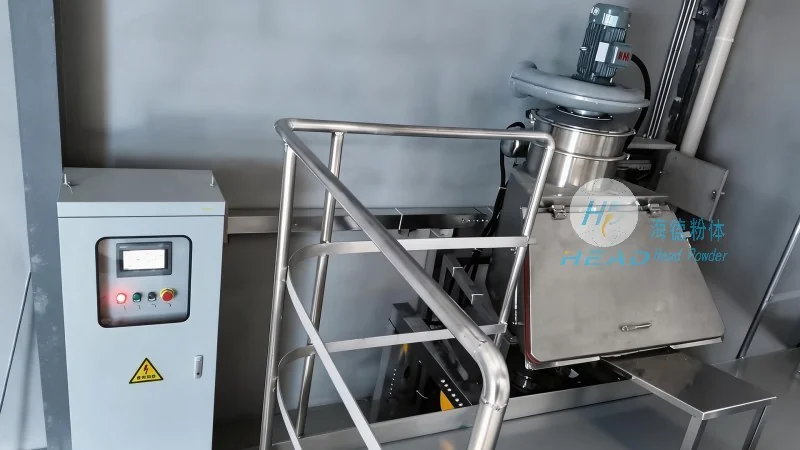
Lysine powder handling encompasses the entire system from raw material storage to final product delivery. It includes components like storage silos, feeders, conveyors, and control systems. The goal is to move the powder in a controlled manner, preventing issues like caking, segregation, or blockages that can disrupt production. Proper handling also helps in maintaining the powder's purity and preventing contamination from the environment or equipment.
The design of lysine powder handling systems is guided by several key principles to ensure optimal performance. First, the system must accommodate the specific characteristics of lysine powder, which may vary depending on its source, moisture content, and additives. For instance, some lysine powders may have a tendency to agglomerate, requiring the use of anti-caking agents or specialized equipment to maintain flowability. Second, the design must address the issue of static electricity, which can cause powder to cling to equipment surfaces, leading to uneven flow and potential hazards. Solutions such as grounding systems, ionizers, or humidifiers are commonly integrated into the design to mitigate this problem.
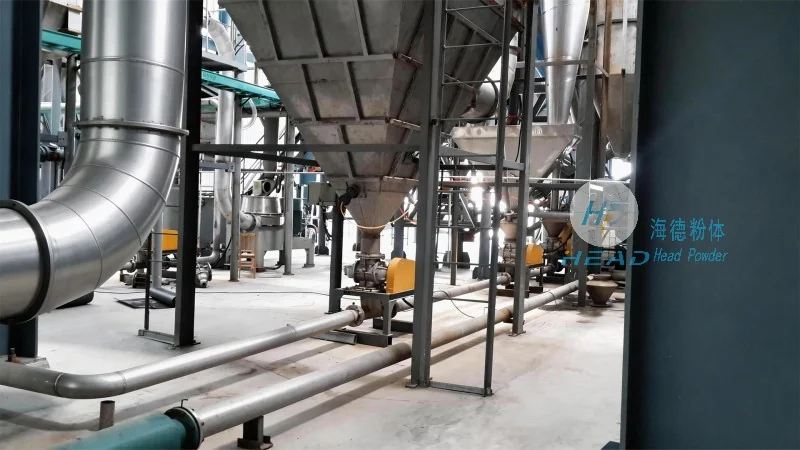
Third, the system's layout and components must be optimized for efficiency and safety. This includes selecting appropriate conveyor types, such as pneumatic (air-assisted) or mechanical (e.g., screw or belt conveyors), based on the powder's properties and the distance to be covered. The design also considers factors like pressure drop, energy consumption, and maintenance requirements. For example, pneumatic systems are ideal for long-distance or high-volume transport but require careful management of air pressure and particle size to prevent system blockages. Mechanical systems, on the other hand, are suitable for shorter distances and may offer lower maintenance costs but may not be as effective for powders with poor flowability.
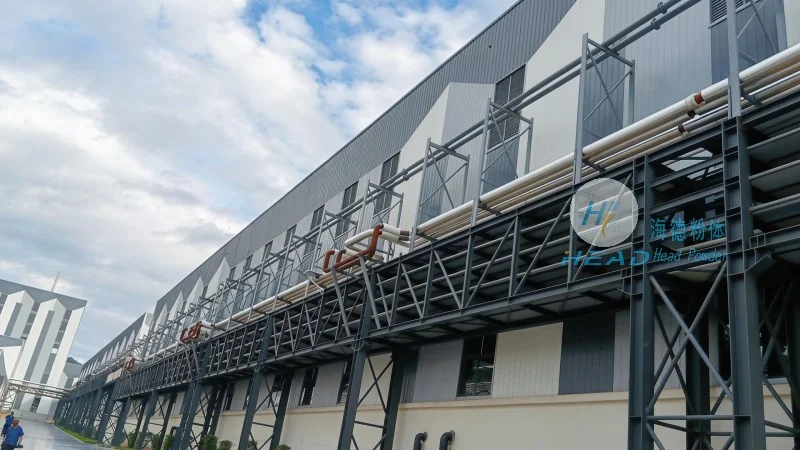
Shandong HeadPowder Engineering Co., Ltd., commonly known as headpowder, is a leading provider of specialized engineering solutions for powder handling applications. With a focus on industrial processes involving fine powders like lysine, the company offers customized systems tailored to the unique needs of each client. Headpowder's expertise lies in designing and manufacturing equipment that ensures efficient, safe, and reliable powder transport, from initial storage to final packaging. The company's commitment to quality and innovation has made it a trusted partner in the industry, helping clients optimize their production lines and improve overall operational performance.
Headpowder's lysine powder handling systems are equipped with advanced features that address the challenges of handling this critical amino acid. These features include high-capacity feeders that can handle varying powder flow rates, flexible conveyor designs that adapt to different plant layouts, and integrated control systems that monitor and adjust the process in real-time. The systems are also designed with hygiene and safety in mind, featuring easy-to-clean components and compliance with industry standards for food and feed processing. Applications of these systems range from large-scale feed mills to small-scale supplement manufacturers, ensuring that lysine powder is transported efficiently and consistently across various production environments.

 Shandong Headpowder Engineering Co., Ltd.
 156-6277-7102(Manager Zhang)
  0531-83386006
  Zhangqiu District, Jinan City, Shandong Province, China
telephone
WeChatconsult
top