With more than 10‑year industry experience, Shandong Headpowder delivers full‑service pneumatic‑conveying systems and blowers, undertaking nationwide turn‑key powder‑handling projects.
For clients seeking efficient and reliable equipment for handling positive and negative electrode materials in battery production, the pneumatic conveying machine stands out as a critical solution. HeadPowder, a leading manufacturer based in Shandong, China, specializes in designing and producing such advanced machinery to meet the demands of modern battery manufacturing.
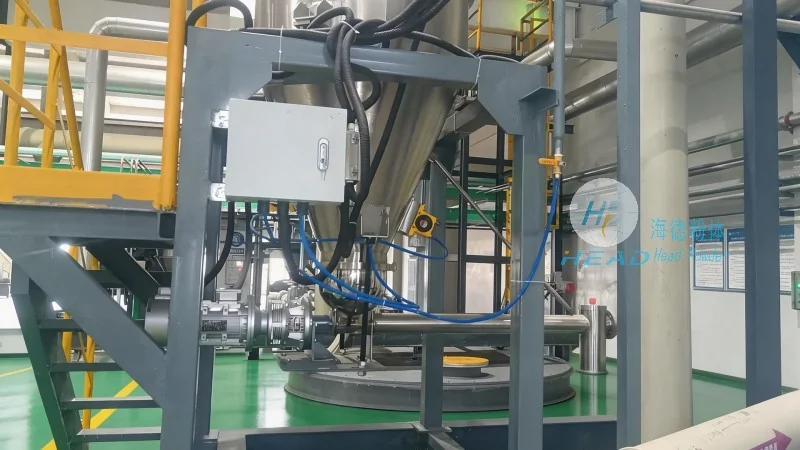
A positive and negative electrode material pneumatic conveying machine is a specialized device designed to transport fine powders, such as those used in lithium-ion battery manufacturing. These materials, including active materials like lithium cobalt oxide (LiCoO₂) for the positive electrode and graphite for the negative electrode, require precise handling to maintain particle integrity and prevent agglomeration. The pneumatic conveying system utilizes air or gas to move these materials through a pipeline network, offering a dust-free, closed-loop operation that enhances safety and product quality.
The design of a positive and negative electrode material pneumatic conveying machine is centered on several key principles to ensure optimal performance. First, the system must accommodate the unique properties of the electrode materials, including their particle size, density, and flowability. The machine’s components, such as the hopper, feeder, and pipeline, are engineered to minimize material degradation and ensure consistent flow rates. Second, the design prioritizes energy efficiency and operational reliability. This involves selecting appropriate air pressure levels, using high-quality seals to prevent leakage, and incorporating features like pressure relief valves to protect the system from overpressure. Third, the machine is built with safety in mind, incorporating explosion-proof designs and dust collection systems to comply with industrial safety standards.
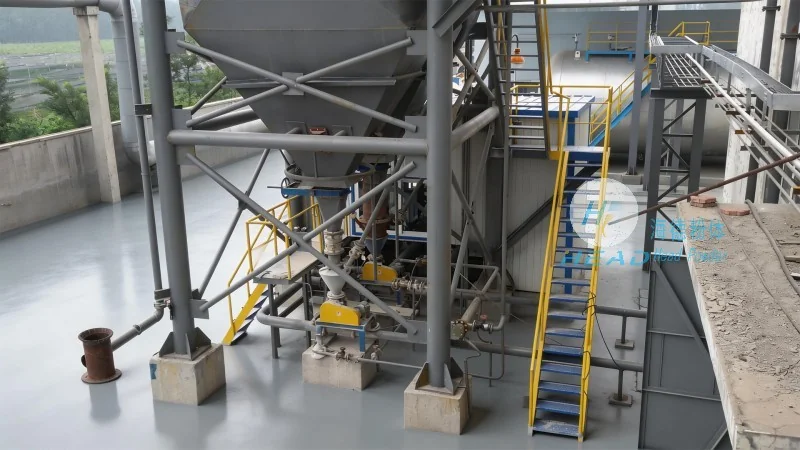
The operation of a positive and negative electrode material pneumatic conveying machine involves a series of steps that ensure smooth material transport. The process begins with the material being loaded into the hopper, where it is stored before being fed into the system. A feeder, often a rotary valve or a screw feeder, controls the flow rate of the material into the pipeline. Simultaneously, a blower or compressor generates the necessary air pressure to move the material through the pipeline. As the air and material mixture travels, the material is suspended and carried along the pipeline to the destination, such as a mixing tank or a storage silo. The system may include multiple branches and bends, with components like cyclones or filters to separate the material from the air at the end of the line. This closed-loop design ensures that the material is efficiently transferred while minimizing waste and contamination.
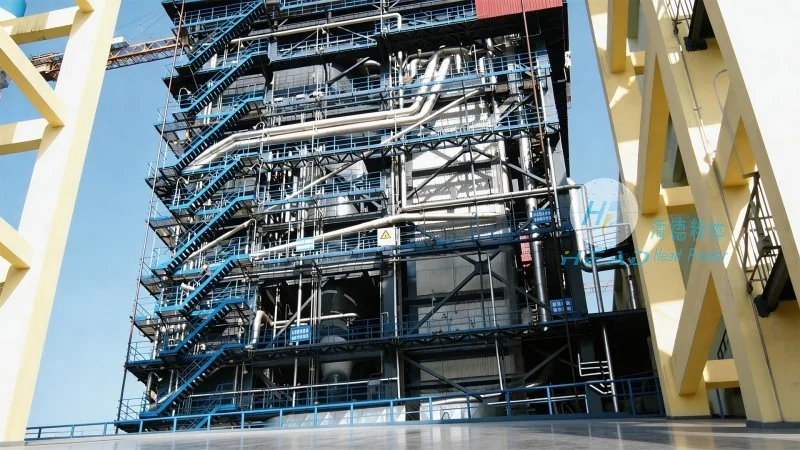
Positive and negative electrode material pneumatic conveying machines offer several advantages over traditional mechanical conveying methods. The primary benefit is the ability to handle fine powders without the need for mechanical contact, which reduces the risk of particle breakage and contamination. The closed-loop system also enhances safety by containing dust and preventing environmental pollution. Additionally, the system is highly flexible, allowing for easy integration into existing production lines and the ability to transport materials over long distances with minimal maintenance. The energy efficiency of pneumatic conveying, particularly when using optimized air pressure and flow rates, makes it a cost-effective solution for large-scale battery manufacturing operations.
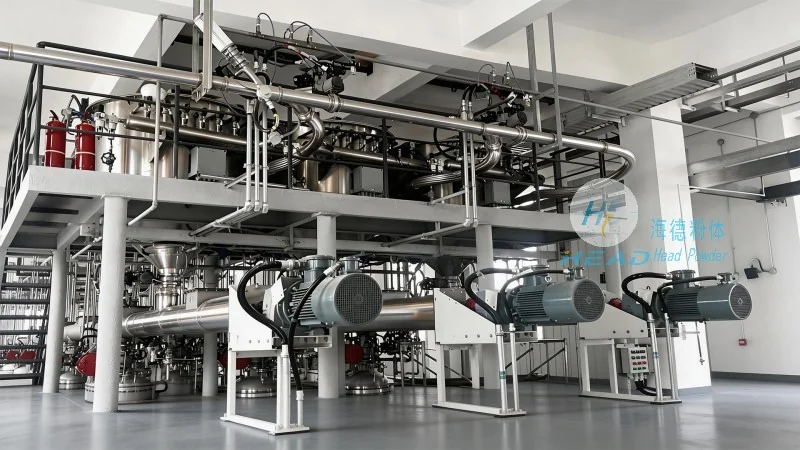
In the battery manufacturing industry, the positive and negative electrode material pneumatic conveying machine plays a vital role in the production of lithium-ion batteries. These machines are used to transport active materials from raw material storage to the mixing and coating stages, where they are combined with binders and other additives to form the electrode slurry. The precise control of material flow and the ability to maintain consistent particle size distribution are critical for achieving high-quality electrodes, which directly impacts the performance and lifespan of the final battery product. The reliability of pneumatic conveying systems ensures that production lines operate smoothly, minimizing downtime and maximizing output.
Understanding the design principles and operational mechanisms of a positive and negative electrode material pneumatic conveying machine is essential for optimizing battery production processes. By leveraging the advantages of pneumatic conveying, manufacturers can enhance product quality, improve safety, and reduce operational costs. As the demand for high-performance batteries continues to grow, the role of such specialized equipment will remain critical in meeting industry standards and driving innovation in battery technology.

 Shandong Headpowder Engineering Co., Ltd.
 156-6277-7102(Manager Zhang)
  0531-83386006
  Zhangqiu District, Jinan City, Shandong Province, China
telephone
WeChatconsult
top