With more than 10‑year industry experience, Shandong Headpowder delivers full‑service pneumatic‑conveying systems and blowers, undertaking nationwide turn‑key powder‑handling projects.
Pneumatic conveying is a widely used industrial technique for transporting solid particulate materials, such as coal gangue powder, through a pipeline using air or gas as the conveying medium. This method offers advantages like efficient material handling, reduced contamination, and the ability to transport materials over long distances without the need for mechanical components like belts or buckets. Understanding the working principles and classification of pneumatic conveying systems is crucial for selecting the appropriate technology for specific applications, especially in the processing of coal gangue, a byproduct of coal mining and processing.
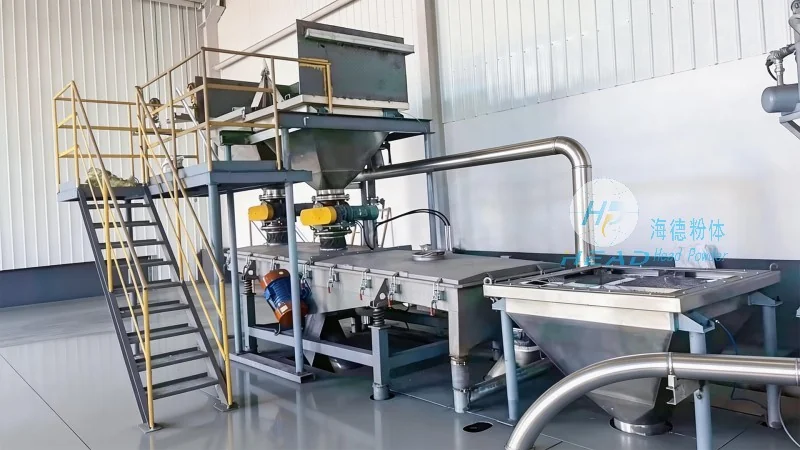
The fundamental principle of pneumatic conveying involves creating a flow of air or gas that carries the solid particles through a pipeline. The process typically operates based on the balance between the air velocity and the particle's terminal velocity. When the air velocity exceeds the terminal velocity of the particles, the particles are entrained and transported along the pipeline. The working principle can be further categorized into two main types: pressure and vacuum systems, each with distinct characteristics and applications.
Pneumatic conveying systems are generally classified based on the pressure differential between the conveying line and the ambient environment. The primary classifications include:
Positive pressure systems, also known as pressure conveying systems, operate by blowing air or gas into the conveying line at a pressure higher than the ambient pressure. The material is fed into the high-pressure air stream, which then transports the particles through the pipeline. This type of system is suitable for applications requiring high conveying capacity and the ability to handle abrasive or corrosive materials. Positive pressure systems are commonly used in industries like cement, chemical, and mining, where large volumes of coal gangue powder need to be transported over long distances.
Negative pressure systems, or vacuum conveying systems, operate by creating a vacuum in the conveying line, which draws the material from the source into the pipeline. The material is then transported to the destination under the pressure differential. This type of system is ideal for applications where the material needs to be collected from multiple sources or where the material is sensitive to pressure changes. Negative pressure systems are often used in applications involving fine powders or where the material is to be transported from a low-level source to a higher-level destination.
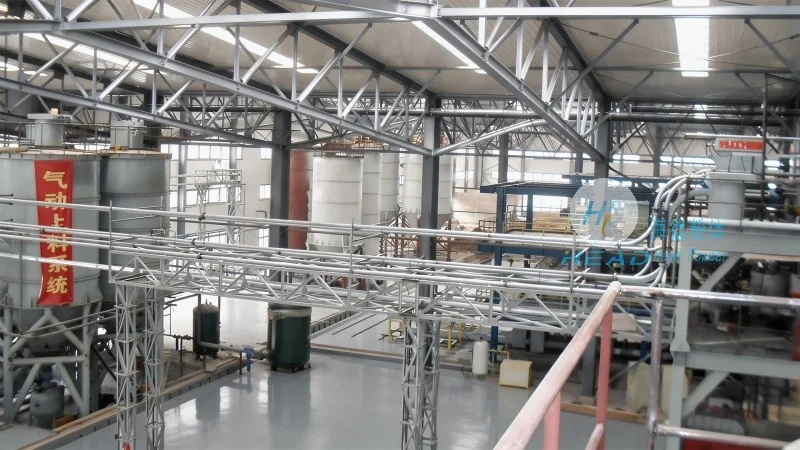
Two-phase systems involve the simultaneous transport of both solid particles and air, with the air serving as the conveying medium. Dense-phase systems, on the other hand, operate at higher solid-to-gas ratios, resulting in a more concentrated mixture of particles and air. These systems are designed to minimize particle degradation and reduce the risk of blockages in the pipeline. Dense-phase conveying is particularly useful for transporting fragile or valuable materials, such as coal gangue powder, where maintaining particle integrity is essential.
The application of pneumatic conveying in coal gangue processing involves the efficient handling and transportation of coal gangue powder from various stages of the processing plant. Coal gangue, a byproduct of coal mining, is often processed into fine powders for use in cement production, as a fuel source, or for other industrial applications. Pneumatic conveying systems are used to transport this powder from storage silos, processing units, or production lines to the next stage of the process or to storage facilities. The choice of system type depends on factors such as the particle size, moisture content, and the distance to be covered. For example, positive pressure systems are commonly used for long-distance transportation of coal gangue powder from the processing plant to a cement factory, while vacuum systems may be used for collecting fine gangue powder from a storage hopper.
When implementing a pneumatic conveying system for coal gangue powder, several key considerations must be addressed to ensure efficient and reliable operation. These include:
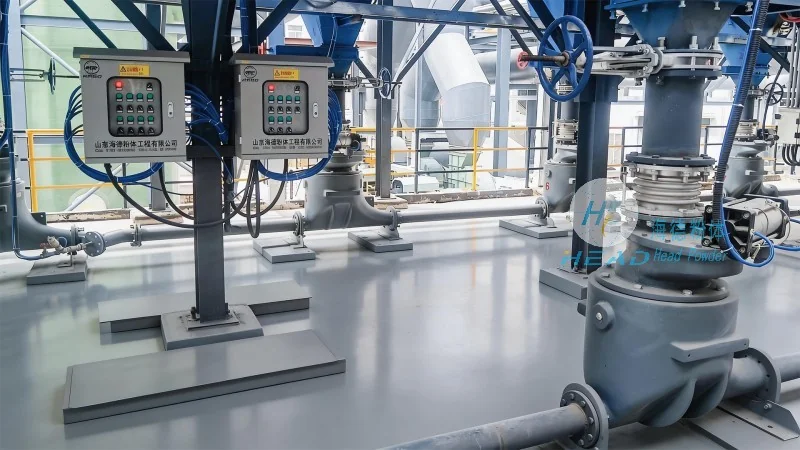
The physical and chemical properties of coal gangue powder, such as particle size distribution, moisture content, and abrasiveness, significantly impact the selection of the conveying system. For instance, fine and dry powders may require a higher air velocity to maintain entrainment, while abrasive materials may necessitate the use of wear-resistant materials for the pipeline and components.
The design of the pneumatic conveying system, including the pipeline diameter, length, and the type of air compressor or vacuum pump, must be carefully engineered to match the material characteristics and the required conveying capacity. Proper sizing ensures that the system operates at optimal efficiency, minimizing energy consumption and preventing system failures.
Choosing the appropriate equipment, such as air compressors, filters, and material feeders, is critical for the successful operation of the pneumatic conveying system. High-quality equipment from reputable manufacturers, like Shandong HeadPowder Engineering Co., Ltd., can ensure reliable performance and reduce maintenance costs over the system's lifespan.
Pneumatic conveying is a versatile and efficient method for transporting coal gangue powder, offering numerous advantages over traditional mechanical conveying systems. By understanding the working principles and classification of pneumatic conveying systems, and considering the specific requirements of the application, industries can select the most suitable technology to optimize their material handling processes. Companies like Shandong HeadPowder Engineering Co., Ltd. specialize in the design, manufacturing, and installation of pneumatic conveying systems tailored to the unique needs of coal gangue processing, providing reliable solutions for efficient material transport and processing.

 Shandong Headpowder Engineering Co., Ltd.
 156-6277-7102(Manager Zhang)
  0531-83386006
  Zhangqiu District, Jinan City, Shandong Province, China
telephone
WeChatconsult
top