

What is a Potassium Carbonate Pneumatic Conveying System? And What Are Its Design Principles?
When it comes to handling and transporting potassium carbonate, many industries seek efficient and reliable solutions. A pneumatic conveying system offers a robust method for moving this chemical material from one location to another. This article explores the concept of a potassium carbonate pneumatic conveying system, detailing its design principles and how it operates in practice.
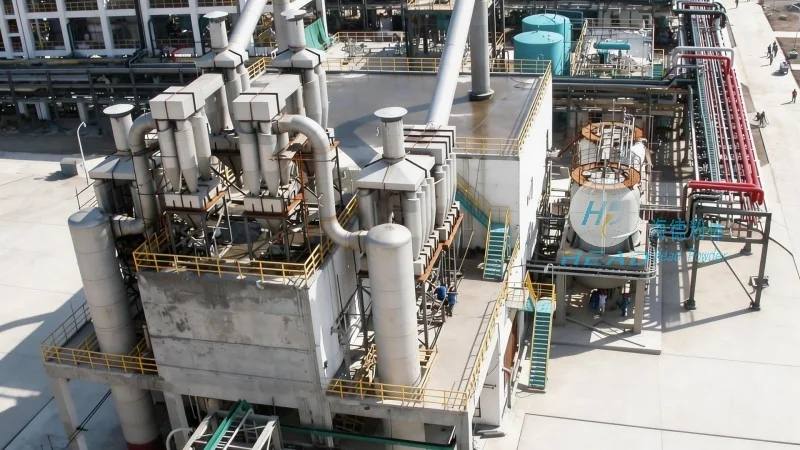
Introduction to Potassium Carbonate Pneumatic Conveying Systems
Potassium carbonate (K₂CO₃) is a widely used chemical in various industrial applications, including glass manufacturing, food processing, and chemical synthesis. Transporting this material efficiently is crucial for maintaining production efficiency and safety. A pneumatic conveying system uses compressed air or other gases to transport solid materials like potassium carbonate through a pipeline. This method eliminates the need for mechanical components such as belts or buckets, reducing maintenance and operational costs.
Design Principles of Pneumatic Conveying Systems
The design of a potassium carbonate pneumatic conveying system is based on several key principles to ensure optimal performance. The primary principle is the balance between the air velocity and the material's flow characteristics. The system must generate sufficient air velocity to lift and transport the material without causing excessive pressure drops or material degradation. Key design factors include the pipeline diameter, the length of the conveying line, and the type of air flow (e.g., dilute phase or dense phase).
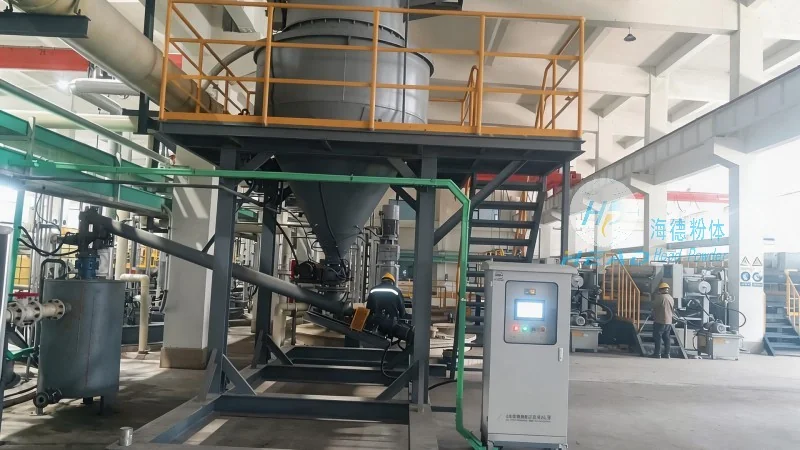
Key Components and Their Functions
A pneumatic conveying system for potassium carbonate typically consists of several components, each playing a critical role in the overall operation. The main components include a material feeder, a conveying line, a control valve, a filter, and a receiver. The material feeder is responsible for feeding the potassium carbonate into the system at a consistent rate. The conveying line, usually made of stainless steel or other corrosion-resistant materials, transports the material and air mixture. The control valve regulates the air flow and pressure to maintain stable operation. The filter removes any dust or particles from the air before it is released back into the environment. The receiver collects the transported potassium carbonate at the destination point.
Application Scenarios
Potassium carbonate pneumatic conveying systems are used in a variety of industrial settings. For example, in glass manufacturing plants, the system can transport potassium carbonate from storage silos to the production line. In chemical processing facilities, it can move the material between reactors and storage tanks. The system is also suitable for applications where the material needs to be transported over long distances or through complex layouts, such as in large-scale industrial complexes.
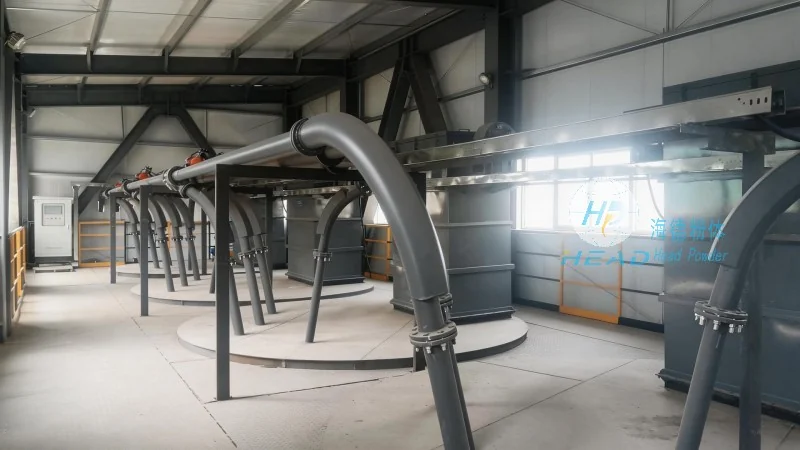
Advantages of Using Pneumatic Conveying for Potassium Carbonate
There are several advantages to using a pneumatic conveying system for potassium carbonate. First, it offers a dust-free and clean operation, which is essential for maintaining a safe working environment. Second, the system is highly efficient, with minimal material loss and low energy consumption compared to traditional methods like belt conveyors. Third, it is flexible and can be easily adapted to different production requirements. Finally, the system reduces the need for manual handling, improving workplace safety and reducing labor costs.
Company Overview: Shandong HeadPowder Engineering Co., Ltd.
Shandong HeadPowder Engineering Co., Ltd., commonly known as HeadPowder, is a leading provider of industrial equipment and solutions. With a focus on innovation and quality, the company specializes in designing and manufacturing pneumatic conveying systems for various chemical materials, including potassium carbonate. HeadPowder's headquarters is located in Shandong, China, and the company has a strong reputation for delivering reliable and efficient solutions to its clients. The company's commitment to customer satisfaction and technical excellence has made it a trusted partner in the industry.