With more than 10‑year industry experience, Shandong Headpowder delivers full‑service pneumatic‑conveying systems and blowers, undertaking nationwide turn‑key powder‑handling projects.
Bauxite, a primary ore of aluminum, is widely used in the production of aluminum and other industrial applications. The efficient transportation of bauxite from mining sites to processing facilities is crucial for maintaining production efficiency and reducing operational costs. A bauxite pneumatic conveying system offers a reliable and effective solution for handling this material, especially in environments where traditional bulk material handling methods may pose challenges. This article explores the fundamental aspects of bauxite pneumatic conveying systems, including their design principles and the key factors that influence their performance.
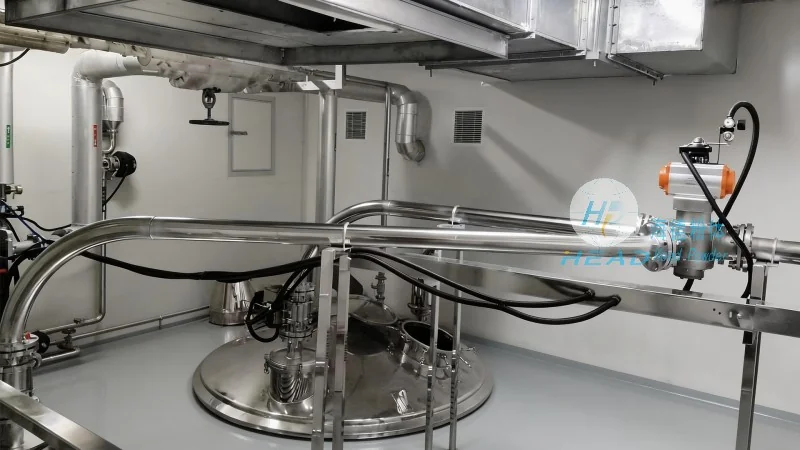
A bauxite pneumatic conveying system is a type of material handling equipment that uses compressed air or gas to transport dry bulk materials, such as bauxite, through a pipeline network. Unlike mechanical conveyors that rely on mechanical components like belts or screws, pneumatic systems utilize the force of air to move materials. The system typically consists of a hopper for material storage, a feeder to control the flow rate, a conveying line, and a receiver for the discharged material. The compressed air or gas is introduced at one end of the pipeline, creating a pressure differential that propels the bauxite particles forward. This method is particularly advantageous for bauxite, which can be abrasive and require gentle handling to prevent degradation or equipment wear.
The design of a bauxite pneumatic conveying system is governed by several critical principles to ensure optimal performance, safety, and longevity. The first principle is the selection of the appropriate conveying velocity. The velocity must be high enough to keep the material in suspension but low enough to prevent excessive wear on the pipeline and components. For bauxite, which is often fine and abrasive, a velocity range of 20 to 30 meters per second is commonly recommended to maintain a stable flow while minimizing wear. Another key principle is the design of the hopper and feeder. The hopper must be designed to prevent material bridging and segregation, which can lead to uneven flow and blockages. The feeder, typically a rotary valve or a screw feeder, is responsible for controlling the material discharge rate, ensuring a consistent flow into the conveying line. The pipeline layout is also a critical design consideration. The system should be designed to minimize bends and changes in direction, as sharp turns can cause material to settle and increase wear on the pipeline walls. Additionally, the use of smooth, corrosion-resistant materials for the pipeline, such as stainless steel or high-density polyethylene, is essential to withstand the abrasive nature of bauxite and the effects of compressed air.
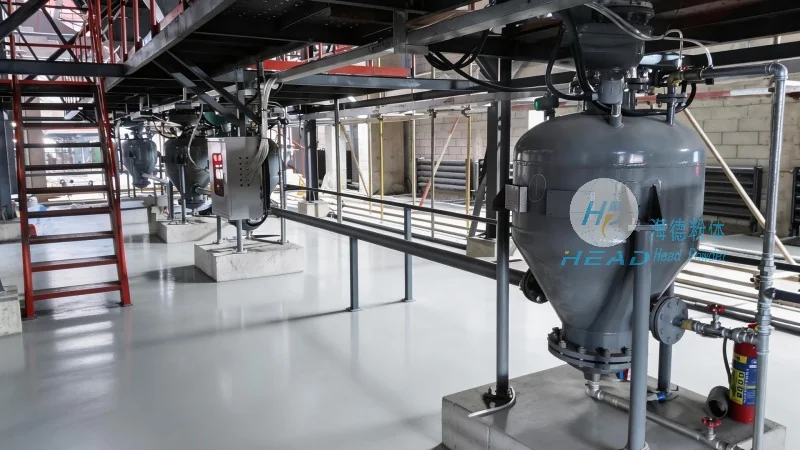
Each component of a bauxite pneumatic conveying system plays a vital role in the overall operation. The material hopper is the initial storage unit, where bauxite is collected before being fed into the system. The hopper is designed with a conical bottom to facilitate material discharge and prevent bridging. The feeder, often a rotary airlock valve, regulates the flow of bauxite from the hopper into the conveying line. The feeder must be capable of handling the specific characteristics of bauxite, such as its particle size and moisture content, to ensure a consistent flow rate. The conveying line is the main pathway for transporting bauxite, and it is typically made of durable materials like stainless steel or PVC to resist abrasion and corrosion. The line may include expansion joints and bends to accommodate changes in direction and elevation. The receiver, located at the end of the conveying line, collects the discharged bauxite and stores it for further processing. The receiver is designed with a hopper and a discharge valve to control the material release. The compressed air system, which includes a compressor, air dryer, and filter, provides the necessary pressure and clean air to drive the material through the pipeline. The compressor generates the high-pressure air, while the dryer removes moisture to prevent material caking and equipment corrosion. The filter traps particulate matter from the air, ensuring that the system operates efficiently and safely.
Bauxite pneumatic conveying systems offer several advantages over traditional material handling methods. One of the primary benefits is the ability to handle abrasive materials like bauxite without the need for heavy mechanical components. The system’s design minimizes wear and tear, reducing maintenance costs and extending the equipment’s lifespan. Additionally, pneumatic systems are highly flexible, allowing for easy integration into existing production facilities and the ability to transport materials over long distances without the need for multiple transfer points. The system also provides a dust-free environment, which is crucial for maintaining a safe and healthy workplace, especially in industries where dust can be a health hazard. Furthermore, the system’s ability to handle fine particles and prevent segregation makes it ideal for bauxite, which is often processed into fine powders for aluminum production. The consistent flow rate and low maintenance requirements also contribute to improved operational efficiency and reduced downtime.
Bauxite pneumatic conveying systems are widely used in various industrial applications, particularly in the aluminum industry. In bauxite mining operations, the system is used to transport raw bauxite from the mine to processing plants, where it is refined into alumina. The system is also used in alumina production facilities to transport processed bauxite between different processing stages, such as crushing, grinding, and drying. Additionally, the system is used in other industries that require the handling of dry bulk materials, such as the chemical and food processing industries. The flexibility and efficiency of the system make it suitable for a wide range of applications, from small-scale operations to large industrial plants.
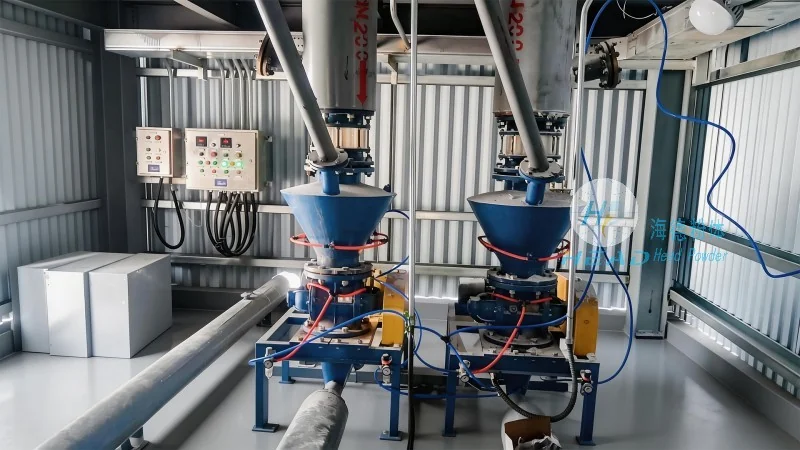
Shandong HeadPowder Engineering Co., Ltd., commonly known as HeadPowder, is a leading manufacturer and supplier of pneumatic conveying systems and related equipment. With a strong focus on innovation and quality, HeadPowder has established itself as a trusted partner in the material handling industry. The company specializes in designing and manufacturing bauxite pneumatic conveying systems tailored to the specific needs of its clients. HeadPowder’s team of experienced engineers and technicians work closely with clients to understand their operational requirements and provide customized solutions that enhance efficiency and reduce costs. The company’s products are known for their durability, reliability, and ease of maintenance, making them a preferred choice for industries that require high-performance material handling solutions. HeadPowder’s commitment to customer satisfaction and technical excellence has earned it a reputation as a leading provider of pneumatic conveying systems in China and beyond.
Bauxite pneumatic conveying systems are an essential component of modern material handling, offering efficient and reliable transportation of bauxite and other dry bulk materials. The design principles and components of these systems are carefully engineered to ensure optimal performance, safety, and longevity. With the right design and maintenance, a bauxite pneumatic conveying system can significantly improve operational efficiency and reduce costs in bauxite processing facilities. As a leading manufacturer, Shandong HeadPowder Engineering Co., Ltd. provides high-quality bauxite pneumatic conveying systems that meet the demanding requirements of the industry, helping clients achieve their production goals while maintaining safety and efficiency.

 Shandong Headpowder Engineering Co., Ltd.
 156-6277-7102(Manager Zhang)
  0531-83386006
  Zhangqiu District, Jinan City, Shandong Province, China
telephone
WeChatconsult
top