With more than 10‑year industry experience, Shandong Headpowder delivers full‑service pneumatic‑conveying systems and blowers, undertaking nationwide turn‑key powder‑handling projects.
Phenolic powder, also known as bakelite powder, is a type of thermosetting plastic powder widely used in various industrial applications. The efficient and reliable transportation of this powder from one location to another is crucial for maintaining production efficiency and product quality. Pneumatic conveying equipment has emerged as a preferred solution for handling phenolic powder due to its ability to transport powders in a closed system, minimizing dust exposure and ensuring a clean working environment. This article provides an overview of phenolic powder pneumatic conveying equipment, detailing its structure and operational principles, and is brought to you by Shandong HeadPowder Engineering Co., Ltd., a leading manufacturer specializing in powder handling solutions.
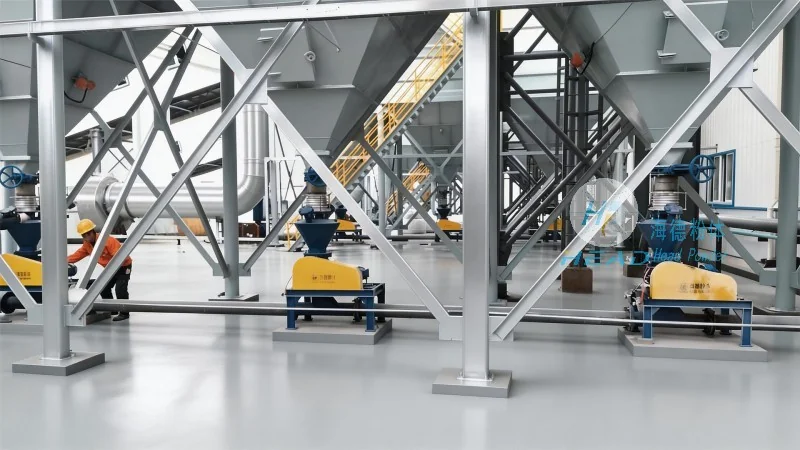
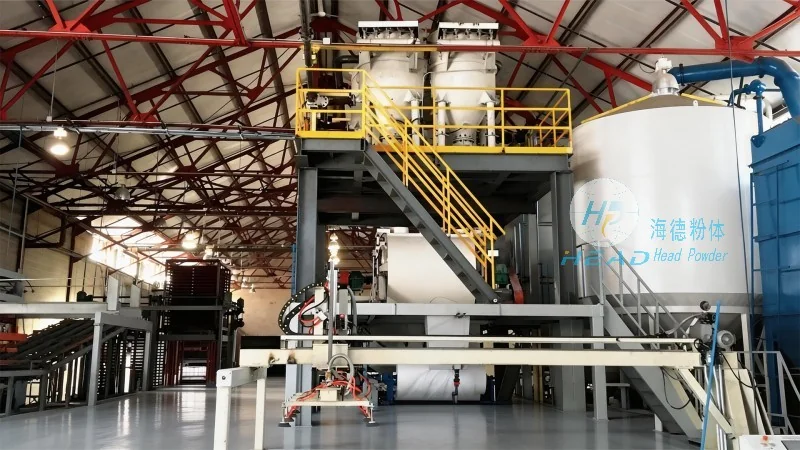
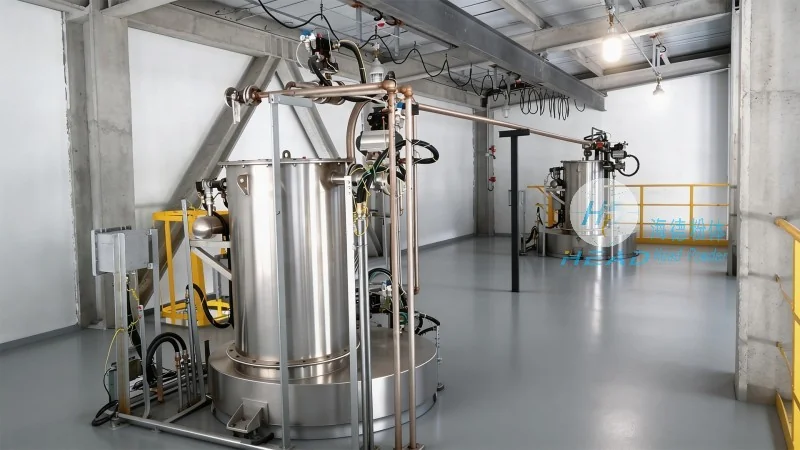
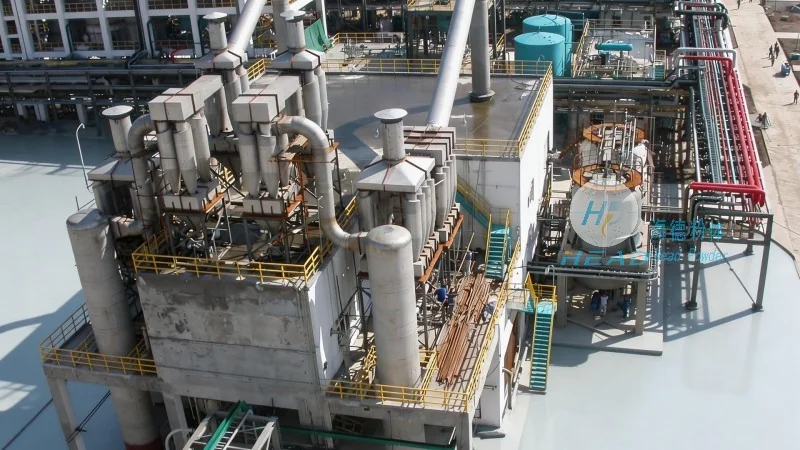
Pneumatic conveying systems utilize air or other gases to transport bulk materials, such as powders, granules, or small particles, through a pipeline network. These systems are classified into two main categories: pressure and vacuum systems. Pressure systems operate by blowing air or gas into the conveying line under pressure, while vacuum systems use a vacuum to draw material into the line. For phenolic powder, which is often sensitive to moisture and air exposure, a pressure system is commonly preferred as it allows for positive pressure transport, preventing contamination and maintaining material integrity.
The phenolic powder pneumatic conveying system consists of several essential components that work in tandem to ensure smooth and efficient material transport. These components include:

 Shandong Headpowder Engineering Co., Ltd.
 156-6277-7102(Manager Zhang)
  0531-83386006
  Zhangqiu District, Jinan City, Shandong Province, China
telephone
WeChatconsult
top