

What is Textile Fiber Pneumatic Conveying? An Introduction to the Working Principle of Powder Handli
Textile fiber pneumatic conveying is a critical technology in the handling and transportation of fibrous materials, particularly in industries such as textile manufacturing, where the efficient movement of raw materials and finished products is essential for operational efficiency and cost-effectiveness. This method utilizes air as the primary medium to transport loose, dry, or slightly moist textile fibers through a pipeline system, eliminating the need for mechanical components like belts or buckets that are common in traditional bulk material handling. The core principle revolves around creating a pressure differential or using vacuum to move the fibers, making it a versatile solution for various applications within the textile sector.
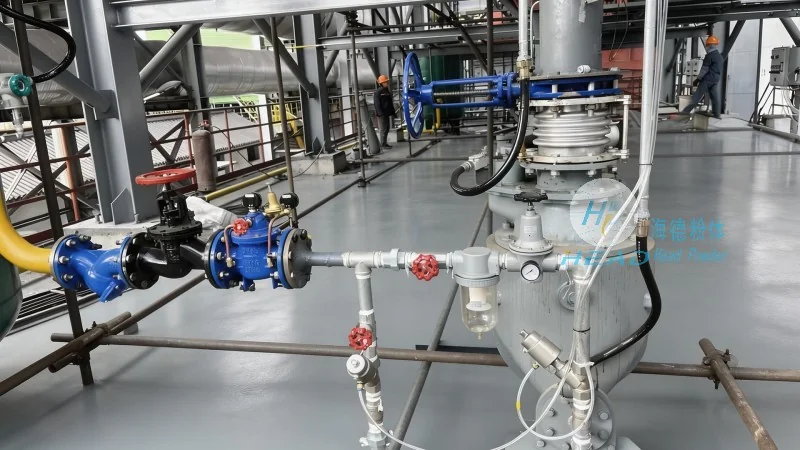
Understanding the Working Principle of Pneumatic Conveying Systems
The fundamental mechanism of a textile fiber pneumatic conveying system involves the generation of airflow within a closed pipeline network. The system typically consists of a blower or vacuum pump, which provides the necessary pressure or suction to move the fibers. The process begins with the introduction of the textile fibers into the system, either through a hopper or a feeder, where they are then entrained by the moving air. As the air flows through the pipeline, it carries the fibers along, ensuring they are transported to the desired destination, such as a processing unit or storage silo. The design of the system, including the type of air flow (positive pressure or negative pressure), the pipeline layout, and the use of components like cyclones or filters, plays a crucial role in determining the efficiency and effectiveness of the conveying process. For textile fibers, which are often lightweight and prone to dust, the system must be optimized to prevent material degradation and ensure clean operation.
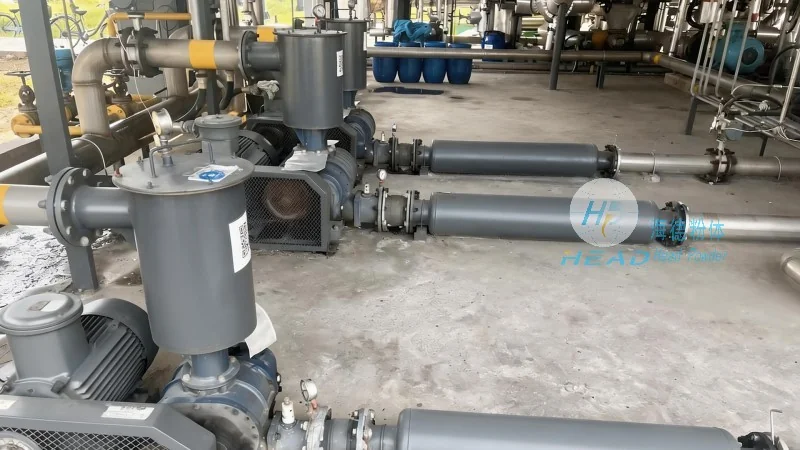
Key Components and Their Roles in the Conveying Process
Several key components work in tandem to ensure the smooth operation of a textile fiber pneumatic conveying system. The first is the air mover, which can be a positive displacement blower or a vacuum pump, depending on the system design. This component generates the airflow required to transport the fibers. Next, the feed system, which may include a hopper or a rotary valve, is responsible for introducing the textile fibers into the pipeline at a controlled rate. The pipeline itself, made of materials like stainless steel or plastic, is designed to withstand the pressure and temperature conditions of the conveying process. Additionally, the system may incorporate components such as cyclones or filters to separate the fibers from the air stream, ensuring that the fibers are deposited at the destination without contamination. In some cases, the system may also include a pressure regulator or a vacuum control valve to maintain consistent airflow and prevent damage to the fibers or the equipment.
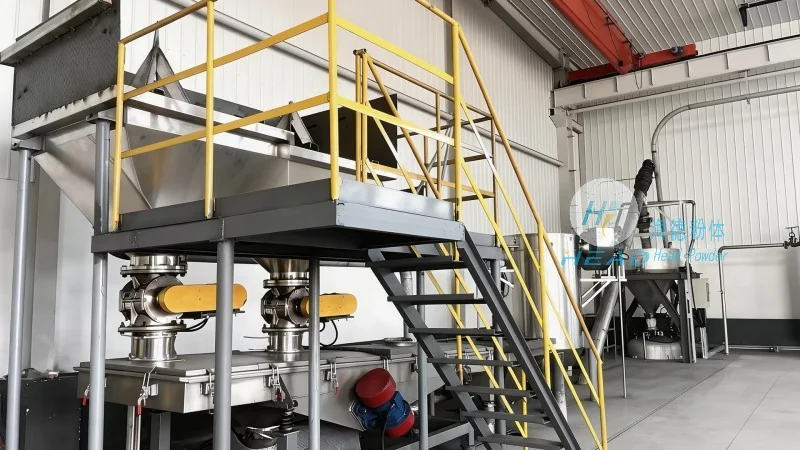
Advantages of Pneumatic Conveying for Textile Fibers
Compared to traditional mechanical conveying methods, textile fiber pneumatic conveying offers several advantages that make it a preferred choice in the industry. One of the most significant benefits is the ability to handle lightweight and fine fibers without the risk of material breakage or degradation. The enclosed pipeline system also minimizes dust emissions and contamination, which is crucial for maintaining product quality and meeting environmental regulations. Additionally, the system is highly flexible, allowing for changes in the pipeline layout or the addition of new processing units without major modifications. The use of air as the conveying medium also reduces the need for mechanical parts, leading to lower maintenance costs and longer equipment lifespan. Furthermore, the system can be easily integrated with other processing equipment, such as mixers or dryers, to create a seamless production line.
Applications in the Textile Industry
The applications of textile fiber pneumatic conveying systems are diverse and essential in various stages of textile production. In the raw material handling stage, the system can be used to transport cotton, wool, or synthetic fibers from storage silos to the processing units. During the manufacturing process, it can convey fibers between different stages, such as from a carding machine to a spinning machine. In the finishing stage, the system may be used to transport dyed or treated fibers to storage or packaging areas. The versatility of the system also makes it suitable for handling finished textile products, such as yarn or fabric, which may need to be transported between different production lines or facilities. Overall, the system plays a vital role in ensuring the smooth flow of materials throughout the textile production cycle, enhancing productivity and reducing operational costs.
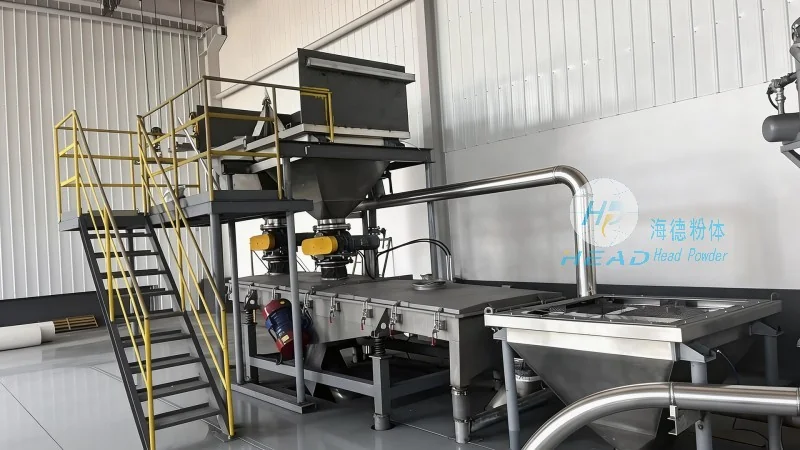
Considerations for System Design and Implementation
When designing and implementing a textile fiber pneumatic conveying system, several factors must be considered to ensure optimal performance and efficiency. The first is the type of fibers being handled, as different fibers have varying properties, such as density, moisture content, and dust generation. The system must be tailored to these properties to prevent material buildup or blockages in the pipeline. The second consideration is the system layout, which should be designed to minimize the length of the pipeline and the number of bends, as these can increase pressure drop and reduce conveying efficiency. The third factor is the air flow rate, which must be optimized to ensure that the fibers are fully entrained and transported without excessive energy consumption. Additionally, the system must be equipped with appropriate filtration and cleaning mechanisms to maintain air quality and prevent equipment damage. Finally, the system should be designed with safety features, such as pressure relief valves and emergency shut-off mechanisms, to protect operators and equipment from potential hazards.