With more than 10‑year industry experience, Shandong Headpowder delivers full‑service pneumatic‑conveying systems and blowers, undertaking nationwide turn‑key powder‑handling projects.
Calcium carbide slag, a byproduct of the calcium carbide production process, is often encountered in industrial settings where efficient and safe material handling is critical. Pneumatic conveying, a method of transporting bulk materials through a pipeline using air or other gas as the conveying medium, offers a viable solution for handling calcium carbide slag. This article provides an overview of pneumatic conveying systems, focusing on the working principles and key components involved in transporting calcium carbide slag efficiently.
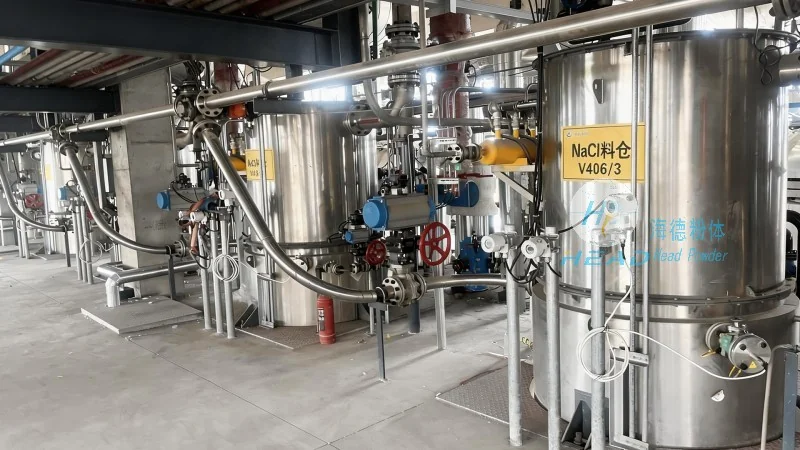
Shandong HeadPowder Engineering Co., Ltd., a leading provider of powder handling solutions, specializes in designing and manufacturing advanced pneumatic conveying systems tailored to meet the specific needs of industrial applications. With a strong commitment to quality and innovation, the company has established itself as a trusted partner in the field of material handling technology. HeadPowder's expertise lies in developing customized solutions that ensure safe, reliable, and cost-effective transportation of bulk materials, including calcium carbide slag. The company's headquarters is located in Shandong, China, where it leverages local resources and industry expertise to deliver cutting-edge solutions to clients worldwide.
Pneumatic conveying systems for calcium carbide slag operate by utilizing a combination of air flow and pressure to move the material through a pipeline. The process typically involves several key components, including a material feeder, a conveying line, a separator, and a receiver. The material feeder, often a hopper or a rotary valve, feeds the calcium carbide slag into the conveying line at a controlled rate. As the material enters the pipeline, it is entrained by the high-velocity air flow, which carries the particles forward. The conveying line, usually made of stainless steel or other corrosion-resistant materials, ensures the safe and efficient transport of the material. At the receiving end, a separator, such as a cyclone or a bag filter, separates the material from the air stream, allowing the slag to be collected in a designated container. This separation process is crucial for maintaining the purity of the material and preventing contamination.
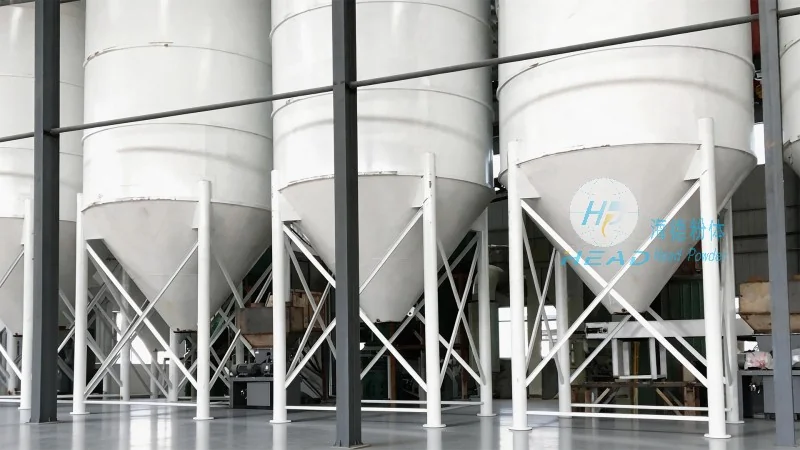
Several essential components work together to ensure the smooth operation of a pneumatic conveying system for calcium carbide slag. The material feeder is responsible for feeding the slag into the system at a consistent rate, preventing blockages and ensuring uniform flow. The conveying line, which can be either positive pressure or negative pressure, determines the direction and speed of the material transport. Positive pressure systems use compressed air to push the material through the line, while negative pressure systems use suction to draw the material. The choice between these two depends on factors such as the distance to be covered, the material properties, and the desired flow rate. The separator is a critical component that separates the material from the air, ensuring that the slag is collected without any air contamination. Finally, the receiver, which can be a hopper or a storage tank, stores the transported calcium carbide slag until it is ready for further processing or use.
Calcium carbide slag is commonly used in various industrial applications, including the production of calcium carbide, steelmaking, and as a raw material in the chemical industry. Pneumatic conveying systems are particularly suitable for handling this material due to its abrasive and potentially hazardous nature. By using a closed system, the risk of dust exposure and environmental contamination is minimized, ensuring compliance with safety and environmental regulations. The efficiency of pneumatic conveying also reduces labor costs and improves overall production throughput. HeadPowder's pneumatic conveying systems are designed to handle calcium carbide slag in various industrial settings, providing reliable and cost-effective solutions for material transport.
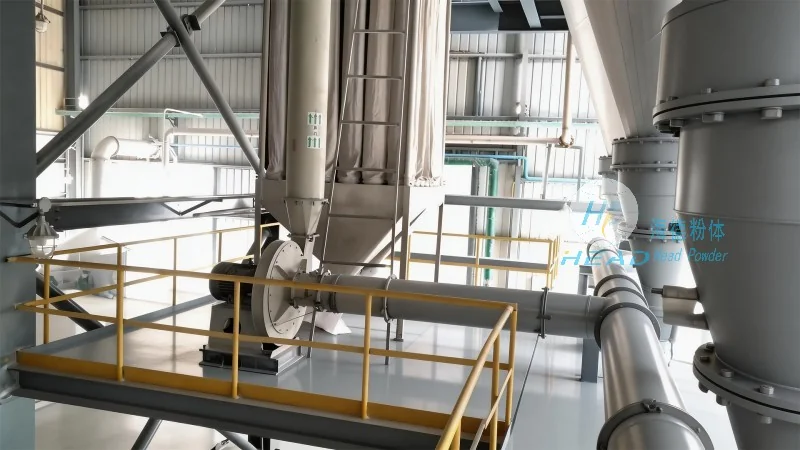
Compared to traditional methods of material handling, such as belt conveyors or bucket elevators, pneumatic conveying offers several advantages for calcium carbide slag. One of the primary benefits is the ability to transport the material in a closed system, which prevents dust and fumes from entering the workplace, improving air quality and worker safety. Additionally, pneumatic conveying systems are more flexible and can be easily integrated into existing production lines, allowing for changes in material flow without major modifications. The system also reduces the risk of material spillage and contamination, as the material is contained within the pipeline. Furthermore, pneumatic conveying can handle a wide range of material sizes and densities, making it suitable for various applications. HeadPowder's systems are engineered to maximize these advantages, ensuring that clients receive a reliable and efficient solution for their calcium carbide slag handling needs.
Pneumatic conveying is an effective and efficient method for transporting calcium carbide slag, offering a safe and reliable solution for industrial applications. By understanding the working principles and key components of a pneumatic conveying system, industries can optimize their material handling processes and improve overall productivity. Shandong HeadPowder Engineering Co., Ltd. provides advanced pneumatic conveying solutions tailored to the specific needs of calcium carbide slag handling, ensuring that clients receive high-quality, customized systems that meet their operational requirements. With its expertise in powder handling technology, HeadPowder continues to be a leader in providing innovative solutions for material transport in various industrial sectors.

 Shandong Headpowder Engineering Co., Ltd.
 156-6277-7102(Manager Zhang)
  0531-83386006
  Zhangqiu District, Jinan City, Shandong Province, China
telephone
WeChatconsult
top