With more than 10‑year industry experience, Shandong Headpowder delivers full‑service pneumatic‑conveying systems and blowers, undertaking nationwide turn‑key powder‑handling projects.
Desulfurization and dust removal processes in industrial facilities generate large volumes of fly ash, which requires efficient and reliable handling solutions. Pneumatic conveying systems have emerged as a preferred method for transporting these materials due to their ability to handle fine powders and minimize environmental impact. This article provides an in-depth exploration of the working principles, key components, and operational mechanisms of pneumatic conveying equipment specifically designed for fly ash from desulfurization and dust removal units.
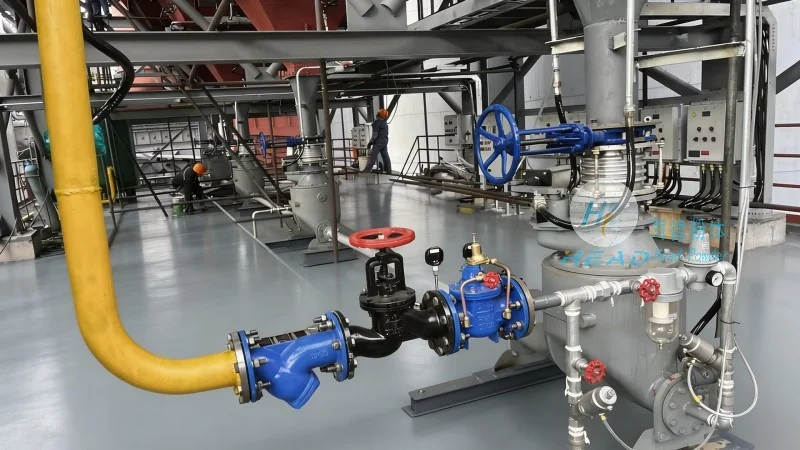
The fundamental principle of pneumatic conveying involves the use of a fluid (typically air or gas) to transport solid particles through a pipeline. In the context of fly ash handling, this system utilizes a pressure or vacuum source to create a flow that propels the ash from the source to the destination. The process can be categorized into two main types: pressure and vacuum systems, each with distinct characteristics suited to different application scenarios.
The effectiveness of a pneumatic conveying system for fly ash depends on several critical components, each playing a vital role in the overall operation. These components include the material feed system, the conveying pipeline, the air supply unit, and the control mechanisms. The material feed system, often equipped with a hopper or feeder, ensures a consistent and controlled supply of fly ash into the pipeline. The conveying pipeline, typically made of corrosion-resistant materials like stainless steel or plastic, is designed to withstand the abrasive nature of fly ash while maintaining low pressure drop. The air supply unit, which may consist of a blower or compressor, generates the necessary pressure or vacuum to drive the material flow. Finally, the control mechanisms, such as valves and sensors, regulate the flow rate and pressure to maintain optimal performance and prevent system blockages.
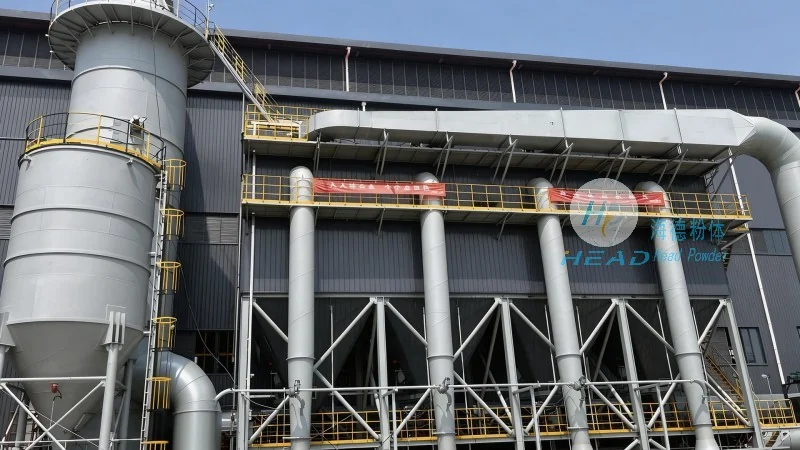
Pressure pneumatic conveying systems operate by forcing air or gas into the pipeline at a higher pressure than the ambient environment. The high-pressure air creates a positive pressure that pushes the fly ash particles through the pipeline. This method is suitable for short to medium-distance conveying and can handle larger particle sizes. On the other hand, vacuum pneumatic conveying systems create a negative pressure in the pipeline, drawing the fly ash from the source and pulling it towards the destination. This approach is ideal for longer distances and can handle more delicate or fine particles, as the lower pressure reduces the risk of particle breakage.
Implementing pneumatic conveying systems for desulfurization and dust removal fly ash offers several advantages over traditional methods like belt conveyors or manual handling. One of the primary benefits is the reduction in dust emissions, as the system is enclosed and sealed, preventing airborne particles from escaping into the environment. Additionally, pneumatic conveying minimizes material degradation and loss, ensuring that the fly ash remains in its original state for subsequent use or disposal. The system also provides flexibility in terms of layout, allowing for horizontal, vertical, or complex path configurations to accommodate the spatial constraints of industrial facilities. Furthermore, the automated nature of these systems enhances operational efficiency and reduces labor costs, making them a cost-effective solution for large-scale fly ash handling.
When designing and implementing a pneumatic conveying system for fly ash, several factors must be considered to ensure optimal performance and longevity. The first consideration is the particle size and moisture content of the fly ash, as these characteristics affect the system's pressure drop and potential for blockages. Proper sizing of the pipeline diameter and air velocity is crucial to maintain a smooth flow and prevent clogging. Regular maintenance, including cleaning of the pipeline and replacement of worn components, is essential to prevent system inefficiencies and extend the equipment's lifespan. Additionally, incorporating safety features such as pressure relief valves and dust explosion suppression systems is vital to protect both personnel and the facility from potential hazards.
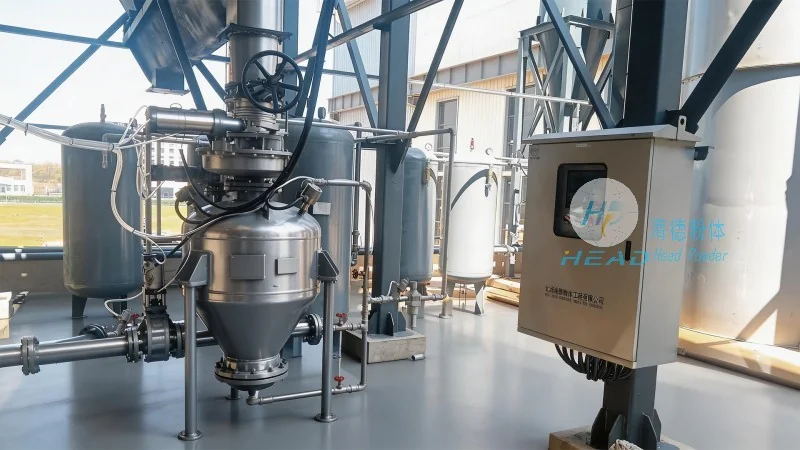
Shandong HeadPowder Engineering Co., Ltd., operating under the brand name headpowder, is a leading provider of specialized equipment and solutions for industrial material handling. With a focus on innovation and customer-centric approaches, the company has established itself as a trusted partner in the field of pneumatic conveying systems for fly ash and other fine powders. Headpowder's expertise lies in designing and manufacturing equipment that meets the specific requirements of industrial facilities, ensuring reliability, efficiency, and environmental compliance. The company's commitment to quality and customer satisfaction has earned it a reputation for delivering high-performance solutions that enhance operational productivity and reduce environmental impact.
Pneumatic conveying equipment for desulfurization and dust removal fly ash represents a sophisticated and effective solution for handling fine industrial powders. By understanding the core principles, key components, and operational mechanisms of these systems, industrial facilities can optimize their material handling processes, reduce environmental risks, and improve overall efficiency. As a leading manufacturer in the industry, Shandong HeadPowder Engineering Co., Ltd. continues to advance the technology and provide tailored solutions that meet the evolving needs of modern industrial applications.

 Shandong Headpowder Engineering Co., Ltd.
 156-6277-7102(Manager Zhang)
  0531-83386006
  Zhangqiu District, Jinan City, Shandong Province, China
telephone
WeChatconsult
top