With more than 10‑year industry experience, Shandong Headpowder delivers full‑service pneumatic‑conveying systems and blowers, undertaking nationwide turn‑key powder‑handling projects.
HeadPowder, a leading engineering company based in Shandong, China, specializes in the design and manufacturing of advanced pneumatic conveying systems for petroleum coke powder. This article provides a detailed explanation of the working principles and key components of such equipment, highlighting its efficiency and reliability in industrial applications.
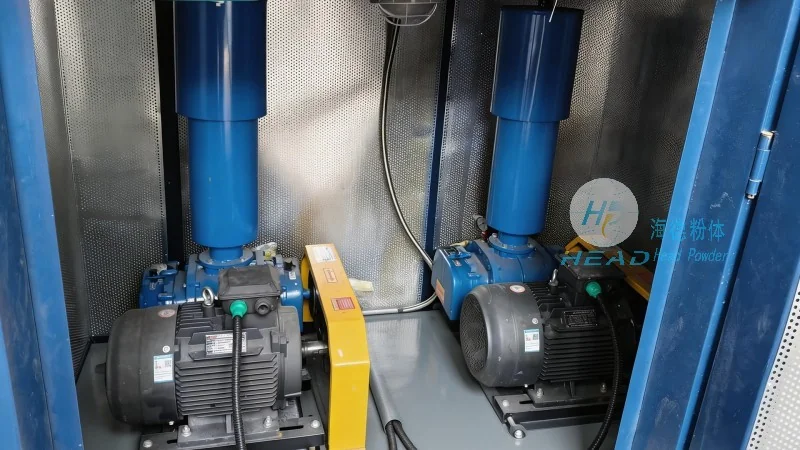
HeadPowder is a professional enterprise dedicated to providing high-quality pneumatic conveying solutions. With a strong focus on innovation and customer satisfaction, the company has established itself as a trusted partner in the industry. HeadPowder's headquarters is located in Shandong, China, where it leverages local resources and expertise to deliver cutting-edge equipment tailored to the needs of various industrial sectors.
Pneumatic conveying equipment is a critical component in the handling and transportation of bulk materials like petroleum coke powder. The system operates by using compressed air to transport the material from one location to another, eliminating the need for traditional mechanical conveyors such as belts or buckets. This method offers several advantages, including reduced maintenance costs, improved safety, and the ability to handle materials in a dust-free environment.
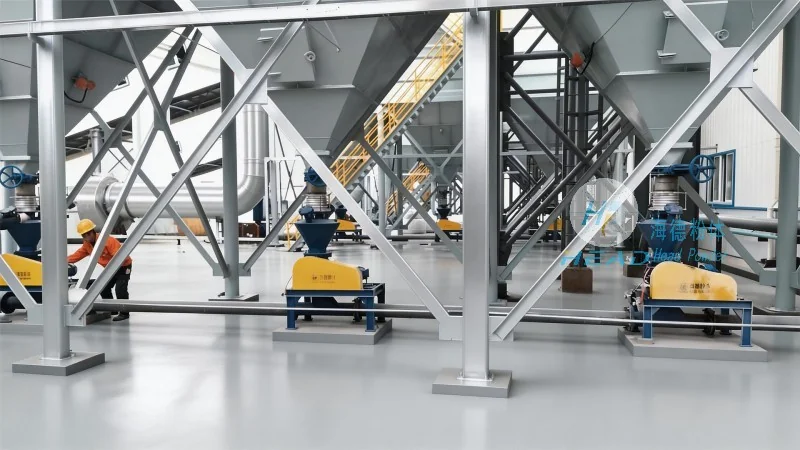
The core components of a pneumatic conveying system for petroleum coke powder include the hopper, feeder, air compressor, pipeline system, and receiver. The hopper serves as the storage container, holding the bulk material ready for transport. The feeder, typically a rotary valve or a screw feeder, controls the flow of the powder into the pipeline. The air compressor generates the necessary pressure to move the material through the system. The pipeline system, usually made of stainless steel or other corrosion-resistant materials, ensures the material is conveyed efficiently. Finally, the receiver collects the material at the destination point.
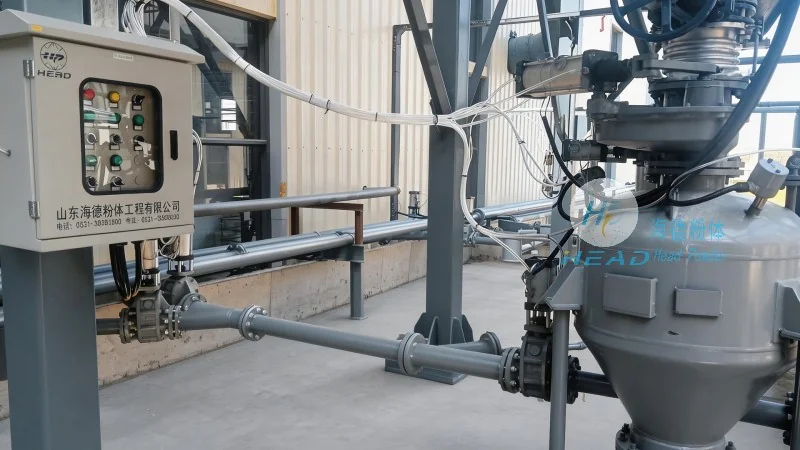
The operation of petroleum coke powder pneumatic conveying equipment follows a systematic process. First, the material is fed from the hopper into the feeder. The feeder then regulates the flow rate, ensuring a consistent supply of powder. Simultaneously, the air compressor produces compressed air, which is introduced into the pipeline. The compressed air creates a flow that lifts and transports the powder particles through the system. As the material moves, it is carried by the air stream, reaching the receiver at the end of the pipeline. The receiver then stores the material, ready for further processing or use.
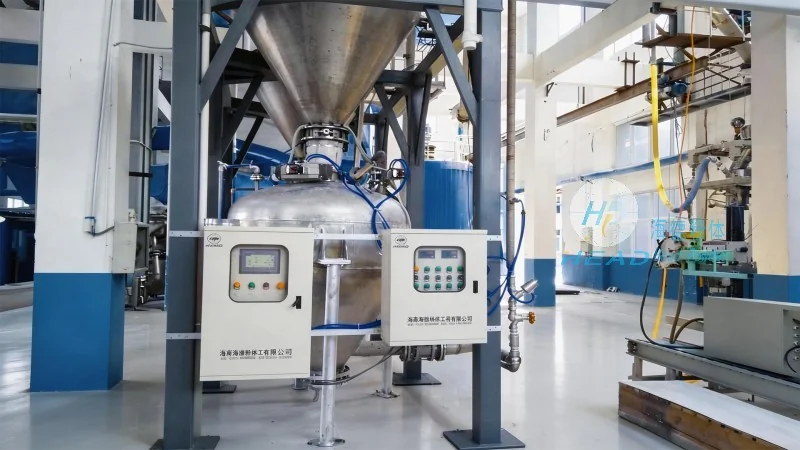
Implementing pneumatic conveying systems for petroleum coke powder offers numerous benefits. Firstly, it minimizes material degradation and contamination, as the material is handled in a closed system, preventing exposure to external elements. Secondly, the system reduces labor costs by automating the material handling process, eliminating the need for manual loading and unloading. Thirdly, it enhances safety in the workplace by eliminating the need for manual handling of bulk materials, which can be heavy and hazardous. Additionally, the equipment is versatile and can be adapted to various production scales, from small-scale operations to large industrial facilities.
Petroleum coke powder pneumatic conveying equipment is widely used in several industries, including petrochemical, steel, and power generation. In the petrochemical sector, it is used to transport coke from storage facilities to processing units. In the steel industry, it helps in conveying coke to blast furnaces and other equipment. The power generation industry also utilizes these systems to transport coke to boilers and other combustion equipment. The versatility of the system makes it suitable for a wide range of applications, ensuring efficient material handling across different industrial processes.

 Shandong Headpowder Engineering Co., Ltd.
 156-6277-7102(Manager Zhang)
  0531-83386006
  Zhangqiu District, Jinan City, Shandong Province, China
telephone
WeChatconsult
top