With more than 10‑year industry experience, Shandong Headpowder delivers full‑service pneumatic‑conveying systems and blowers, undertaking nationwide turn‑key powder‑handling projects.
Understanding the mechanics of sodium chloride pneumatic conveying is crucial for industries that rely on efficient powder handling. This article delves into the fundamental principles behind this technology, highlighting how it transforms the transportation of bulk materials like sodium chloride. As a key component in various industrial processes, the proper application of pneumatic conveying systems ensures optimal performance, cost-effectiveness, and safety in material handling operations.
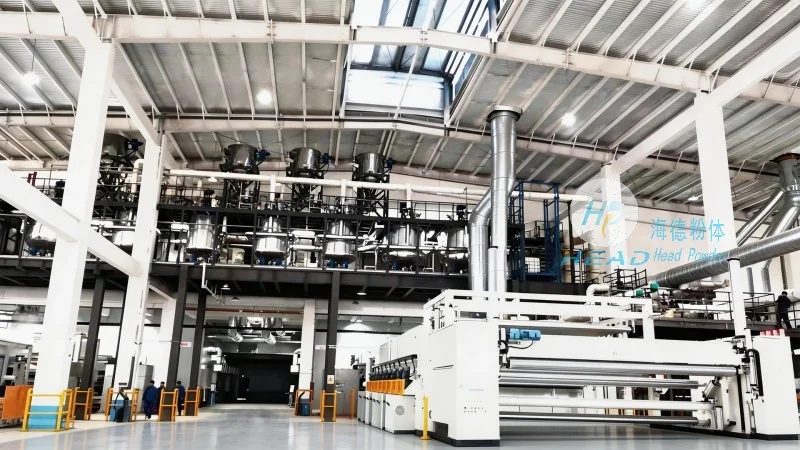
Pneumatic conveying, or air-assisted material transport, is a method used to move dry bulk materials through a pipeline using a stream of air. Unlike traditional mechanical systems that rely on belts, screws, or buckets, pneumatic systems utilize air pressure to propel particles. This approach is particularly advantageous for handling fine powders, such as sodium chloride, which are prone to dusting and clogging in conventional systems. The technology has evolved significantly over the years, with advancements in design and control mechanisms enhancing its efficiency and reliability.
The core of a pneumatic conveying system involves a few key components: a material feed hopper, a conveying line, a venturi or eductor, and a receiver or discharge point. The process begins with the material being fed into the hopper, where it is then drawn into the conveying line by the moving air. The venturi or eductor creates a low-pressure zone that pulls the material along with the air stream. As the material travels through the pipeline, it is suspended and transported to the destination. The system can operate in either positive or negative pressure modes, depending on the application and material characteristics.
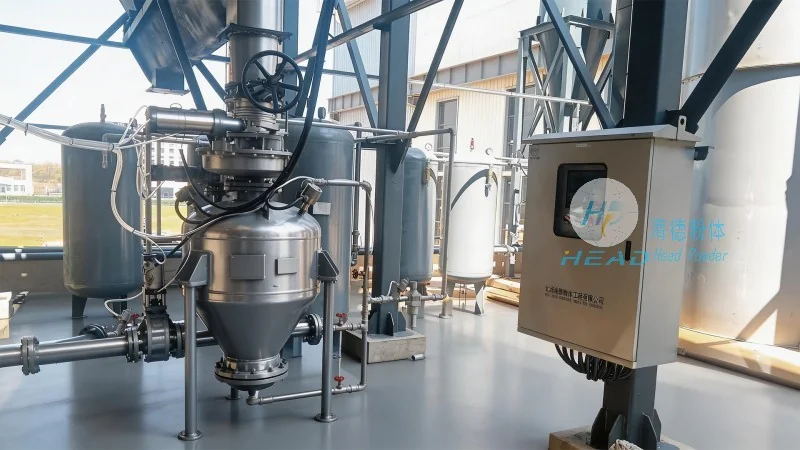
Each component in a pneumatic conveying system plays a vital role in ensuring smooth operation. The material feed hopper is designed to store and control the flow of sodium chloride, preventing overfilling and maintaining consistent feed rates. The conveying line, typically made of stainless steel or other corrosion-resistant materials, is engineered to withstand the abrasive nature of the powder and the pressure of the air. The venturi or eductor is the heart of the system, generating the necessary airflow to move the material. It uses the principle of Bernoulli's equation, where a reduction in pressure creates sufficient velocity to carry the particles. The receiver or discharge point collects the material at the end of the pipeline, allowing for safe and controlled unloading.
Implementing pneumatic conveying for sodium chloride offers several benefits. First, it eliminates the need for mechanical components that can cause wear and tear, reducing maintenance costs and extending the system's lifespan. Second, the system is highly flexible, allowing for changes in material flow rates and pipeline configurations without major modifications. Third, it provides excellent dust control, as the material is contained within the pipeline, minimizing environmental impact and health risks. Additionally, pneumatic systems can handle a wide range of particle sizes and moisture contents, making them suitable for various industrial applications.
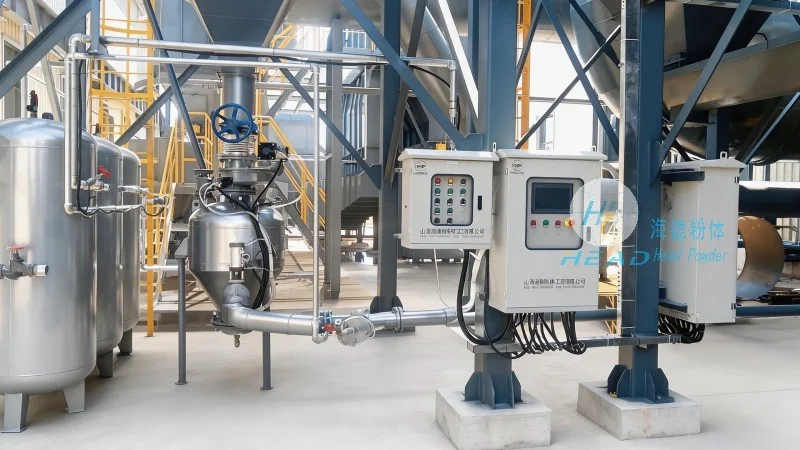
Sodium chloride, commonly known as table salt, is used in numerous industries, including food processing, chemical manufacturing, and water treatment. In these sectors, efficient transportation of sodium chloride is critical to maintaining production efficiency. Pneumatic conveying systems are widely used in these applications due to their ability to handle large volumes of material with minimal labor. For example, in food processing plants, the system can transport salt from storage silos to processing lines, ensuring a continuous supply without interruptions. In chemical plants, it is used to move salt for brine production, where precise control over the material flow is essential for product quality.
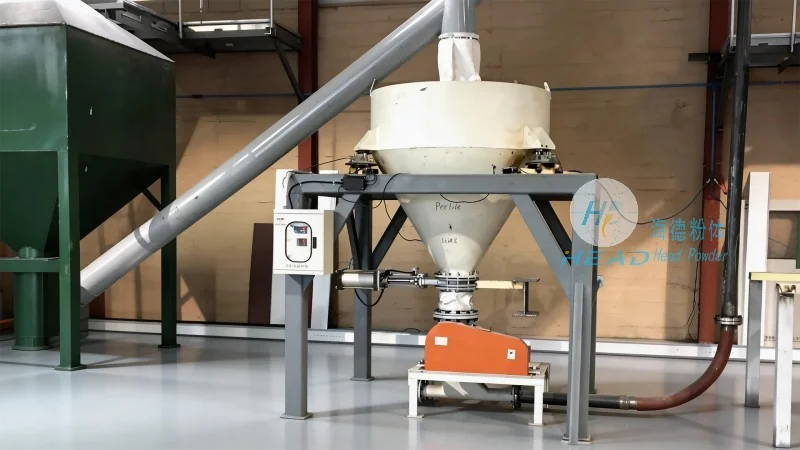
When designing a pneumatic conveying system for sodium chloride, several factors must be considered to ensure optimal performance. The first is the material's properties, such as particle size, density, and moisture content, as these affect the system's capacity and pressure requirements. The second is the distance and layout of the conveying line, as longer distances may require additional boosters or larger-diameter pipes. The third is the environmental conditions, including temperature and humidity, which can impact the material's behavior and the system's components. Proper system design and installation by experienced engineers, like those at Shandong HeadPowder Engineering Co., Ltd., are crucial to achieving the desired results.
Pneumatic conveying is a reliable and efficient method for transporting sodium chloride and other bulk powders. By understanding the working principles and key components of such systems, industries can enhance their material handling processes, reduce costs, and improve safety. Shandong HeadPowder Engineering Co., Ltd., a leading provider of powder handling solutions, specializes in designing and manufacturing customized pneumatic conveying systems tailored to the specific needs of their clients. With a focus on quality and innovation, the company has built a reputation for delivering robust and reliable systems that meet the highest industry standards. Based in Shandong, China, HeadPowder continues to advance the technology of pneumatic conveying, helping businesses achieve greater efficiency and productivity in their operations.

 Shandong Headpowder Engineering Co., Ltd.
 156-6277-7102(Manager Zhang)
  0531-83386006
  Zhangqiu District, Jinan City, Shandong Province, China
telephone
WeChatconsult
top