With more than 10‑year industry experience, Shandong Headpowder delivers full‑service pneumatic‑conveying systems and blowers, undertaking nationwide turn‑key powder‑handling projects.
For industries dealing with flocculant powders, efficient and reliable material handling is crucial. The dry powder pneumatic conveying equipment designed by Shandong HeadPowder Engineering Co., Ltd. addresses these needs by providing a sophisticated solution for transporting flocculant dry powders. This equipment operates on the principle of pneumatic conveying, which involves the use of air to move dry materials through a system of pipes and components. The core of this technology lies in the ability to handle fine powders like flocculants without clogging or degradation, ensuring consistent performance and minimal maintenance.
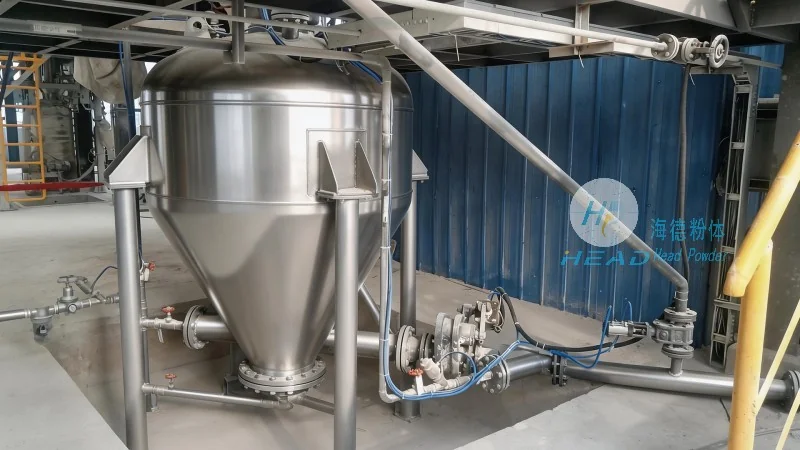
The dry powder pneumatic conveying system consists of several key components that work in tandem to achieve effective material transport. The primary components include a hopper for material storage, a rotary valve or feeder to control the flow of flocculant powder, a blower or compressor to generate the necessary air pressure, and a pipeline network that transports the material to the destination. Each component plays a vital role in the overall operation. The hopper ensures a constant supply of flocculant powder, preventing material buildup and ensuring smooth feeding. The rotary valve or feeder regulates the flow rate, maintaining a consistent material stream that matches the air flow. The blower or compressor provides the motive force, creating the pressure differential needed to move the powder through the system. The pipeline network, typically made of stainless steel or other corrosion-resistant materials, ensures the safe and efficient transport of the flocculant powder, minimizing the risk of contamination and material loss.
The working principle of the dry powder pneumatic conveying equipment for flocculants is based on the interaction between the powder particles and the air stream. When the system is activated, the blower generates a high-pressure air flow that enters the hopper. The rotary valve then releases a controlled amount of flocculant powder into the air stream. The air, now carrying the powder particles, is forced through the pipeline network to the discharge point. The velocity of the air stream is critical; it must be sufficient to keep the powder particles suspended and prevent them from settling or clogging the pipes. The system uses a combination of positive and negative pressure zones to move the material, with the blower creating the positive pressure at the inlet and the discharge point creating a negative pressure or vacuum to draw the material forward. This principle allows for the efficient transport of flocculant powders over long distances and at varying heights, making it suitable for various industrial applications.
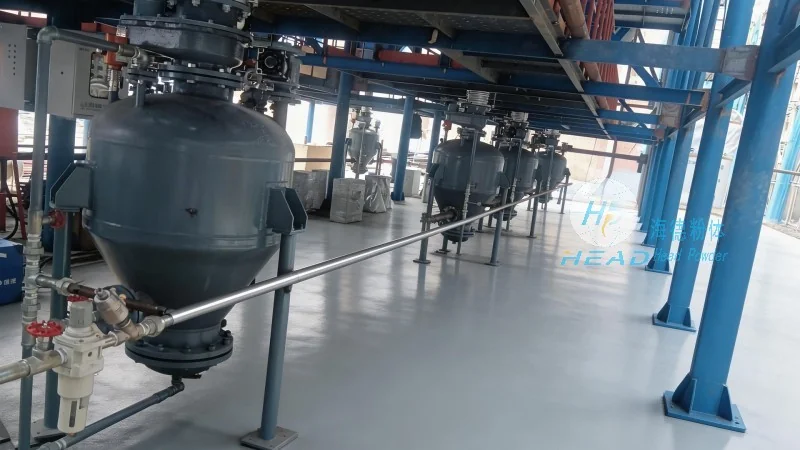
Compared to traditional material handling methods such as belt conveyors or bucket elevators, pneumatic conveying offers several advantages when handling flocculant dry powders. One of the key benefits is the ability to handle fine and abrasive powders without causing wear and tear on the equipment. The enclosed system also prevents dust contamination, which is essential for maintaining product quality and safety standards. Additionally, pneumatic conveying systems are more flexible in terms of layout, allowing for easy integration into existing industrial facilities. The equipment from Shandong HeadPowder Engineering Co., Ltd. is designed to minimize maintenance requirements, with components that are easy to access and replace. This reduces downtime and operational costs, making it a cost-effective solution for long-term use. Furthermore, the system can handle varying flow rates and material characteristics, providing adaptability to different production needs.
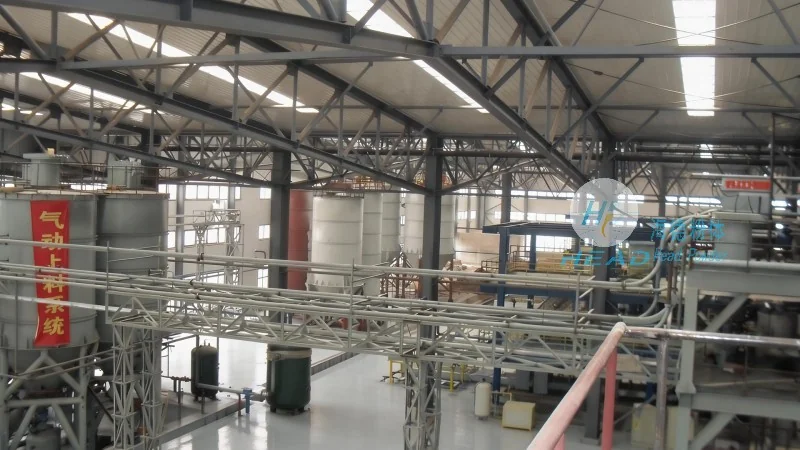
The dry powder pneumatic conveying equipment for flocculants is widely used in various industries that require the handling of fine powders. In the water treatment industry, flocculants are used to coagulate and settle suspended solids in water, and the pneumatic conveying system ensures that the flocculant is delivered to the treatment plants efficiently and without degradation. In the paper and pulp industry, flocculants are used to improve the quality of paper products, and the equipment helps in transporting the powder to the processing units. The chemical industry also utilizes flocculants for various applications, and the pneumatic conveying system provides a reliable method for handling these materials. Additionally, in the mining and mineral processing industry, flocculants are used to separate minerals, and the equipment ensures that the powder is transported to the processing equipment without clogging or loss. The versatility of the system makes it suitable for a wide range of applications, from small-scale operations to large industrial plants.
Proper installation and regular maintenance are essential for the optimal performance of the dry powder pneumatic conveying equipment. The system should be installed in a location that is easily accessible for maintenance and has adequate ventilation to prevent dust accumulation. The pipeline network should be properly supported and secured to prevent sagging or damage. Regular cleaning of the hopper, rotary valve, and pipeline is necessary to prevent material buildup and clogging. The blower or compressor should be checked regularly for proper operation and maintenance to ensure consistent air pressure. The system should also be equipped with safety features such as pressure relief valves and dust collection systems to prevent accidents and ensure compliance with safety regulations. By following proper installation and maintenance procedures, the equipment can provide reliable and efficient service for years, maximizing its operational life and minimizing downtime.

 Shandong Headpowder Engineering Co., Ltd.
 156-6277-7102(Manager Zhang)
  0531-83386006
  Zhangqiu District, Jinan City, Shandong Province, China
telephone
WeChatconsult
top