

Classification and Application Analysis of Desulfurizer Pneumatic Conveying Systems
Desulfurizer pneumatic conveying systems are critical infrastructure in modern industrial settings, particularly in power generation and chemical processing facilities where the removal of sulfur from flue gases is essential for environmental compliance and operational efficiency. These systems are engineered to transport bulk desulfurizer materials, such as limestone or calcium carbonate, from storage silos to reaction points with minimal human intervention and optimal performance. The classification of these systems is based on the pressure differential within the conveying line, which dictates the operational principles and suitability for various industrial applications.
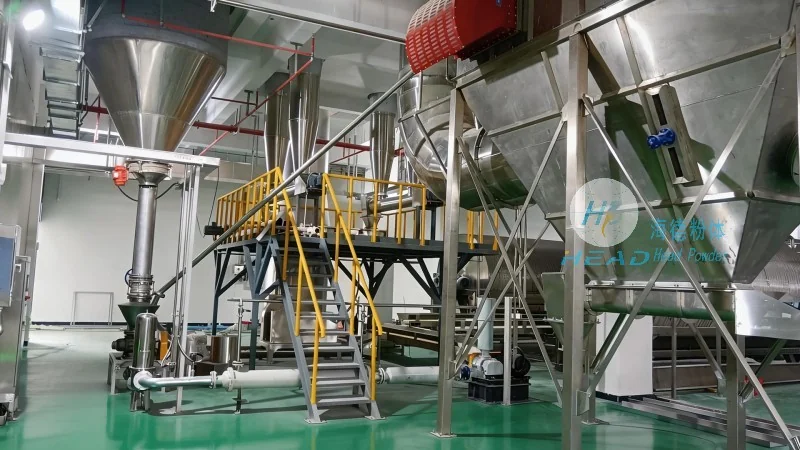
Classification of Pneumatic Conveying Systems
Three primary categories of pneumatic conveying systems are utilized for desulfurizer transport: positive pressure systems, negative pressure systems, and mixed pressure systems. Each type is characterized by its pressure dynamics and is selected based on factors like material properties, distance, and system complexity.
Positive pressure systems operate by blowing air or gas into the conveying line, creating a pressure higher than the ambient environment. This method is effective for long-distance transport and handling abrasive or dusty materials. The system typically comprises a blower, a material feeder, and a discharge device, ensuring consistent flow and preventing material degradation. For desulfurizer applications, positive pressure systems are favored when transporting material from a central storage to multiple reaction points, as they maintain stable pressure and minimize particle damage.
Negative pressure systems, conversely, create a vacuum in the conveying line, drawing material from the source into the system. This approach is suitable for applications where material is generated at a specific location and needs to be collected and transported to a processing unit. Negative pressure systems are more compact and space-efficient, ideal for facilities with limited footprint. However, they may be less efficient for long-distance transport due to the energy required to maintain the vacuum and potential material loss if the system is not properly sealed.
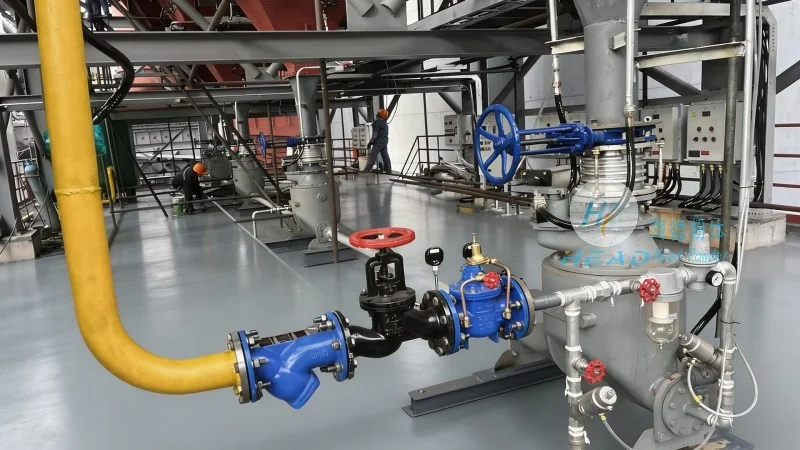
Mixed pressure systems combine elements of both positive and negative pressure, offering a balanced approach to material transport. These systems integrate blowers and vacuum pumps to control pressure within the conveying line. The mixed pressure method provides flexibility in handling diverse material types and distances, making it suitable for complex industrial environments with multiple conveying tasks. For large-scale power plants, mixed pressure systems are often employed to transport materials from multiple storage locations to various reaction points, ensuring efficient and reliable operation.
Key Components of Desulfurizer Pneumatic Conveying Systems
Regardless of the system type, desulfurizer pneumatic conveying systems consist of several critical components that work in concert to ensure optimal performance. The main components include the material feeder, conveying line, air or gas source, and control system. Each component plays a vital role in maintaining system efficiency and reliability.
The material feeder, typically a rotary valve or screw feeder, controls the flow rate of desulfurizer into the system. It ensures consistent material input, preventing blockages and maintaining system stability. The conveying line, often made of stainless steel or corrosion-resistant materials, withstands the chemical properties of the desulfurizer and abrasive particles. The air or gas source, such as a centrifugal or positive displacement blower, provides the necessary pressure or vacuum to move material through the line. The control system, integrated with sensors and automation, monitors parameters like pressure, flow rate, and material level, allowing real-time adjustments to optimize performance and prevent failures.
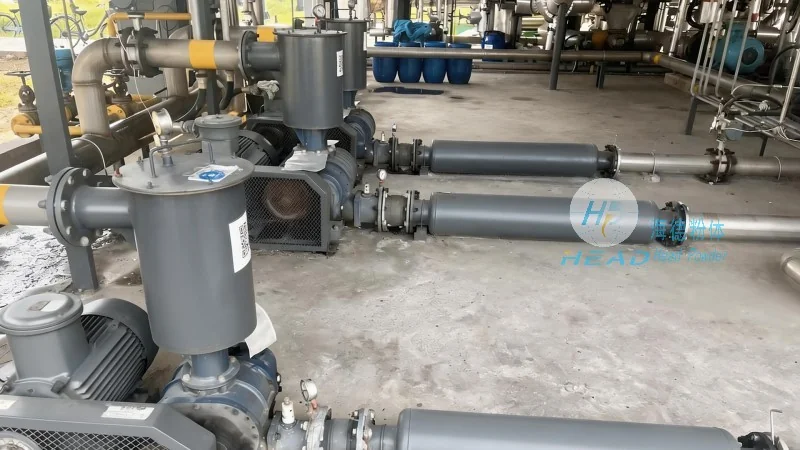
Application Analysis of Desulfurizer Pneumatic Conveying Systems
The application of desulfurizer pneumatic conveying systems varies based on industrial facility requirements. In power plants, these systems are commonly used to transport limestone from storage silos to the desulfurization reaction tower. They handle large volumes, often several tons per hour, ensuring consistent flow for efficient flue gas desulfurization (FGD) processes. System type selection depends on distance and material throughput, with positive pressure systems preferred for longer distances and higher throughput.
In chemical facilities, systems transport reagents to reactors or processing units, handling diverse materials like powders with varying particle sizes and moisture content. Selection is influenced by material properties, such as abrasiveness and dustiness, and the need to minimize degradation. For example, in sulfuric acid production facilities, specialized components prevent corrosion and material loss when transporting sulfur-containing materials.
Industrial plants in China, particularly in Shandong province, increasingly adopt advanced pneumatic conveying systems to enhance desulfurization processes. Companies like Shandong HeadPowder Engineering Co., Ltd. specialize in designing and manufacturing customized systems tailored to client needs. These systems meet stringent environmental regulations and operational requirements, ensuring reliable and efficient material transport.