With more than 10‑year industry experience, Shandong Headpowder delivers full‑service pneumatic‑conveying systems and blowers, undertaking nationwide turn‑key powder‑handling projects.
Ammonia fertilizer is a critical nutrient in modern agriculture, providing essential nitrogen for crop growth. The efficient and safe transportation of ammonia fertilizer from production facilities to storage or application sites is vital for optimizing supply chain operations. Pneumatic conveying systems have become a preferred solution for handling ammonia fertilizer due to their ability to transport bulk materials in a controlled, dust-free environment. This article provides a detailed classification of ammonia fertilizer pneumatic conveying systems and analyzes their practical applications, highlighting technical advantages and operational benefits.
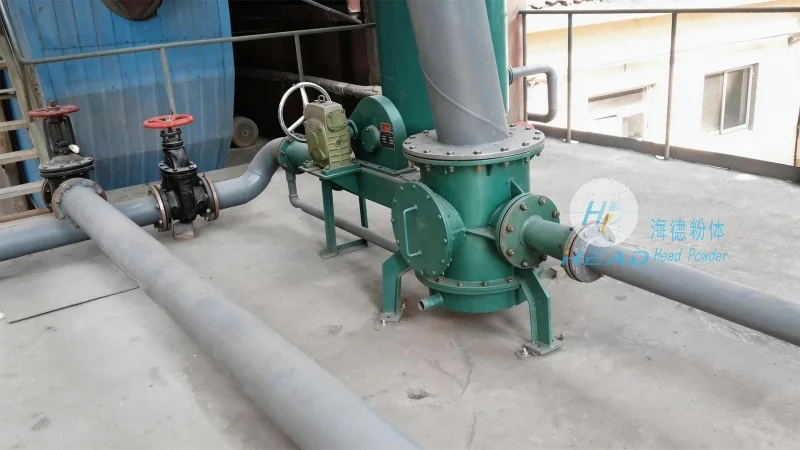
Pneumatic conveying systems utilize air or gas to transport bulk materials like ammonia fertilizer through a network of pipes. These systems are designed to handle the specific properties of ammonia fertilizer, including its corrosive nature and the need for precise control during transport. Classifications are based on pressure differentials and material feeding methods, essential for selecting the most suitable system for a particular application, ensuring optimal performance, safety, and cost-effectiveness.
Two primary categories of pneumatic conveying systems are used for ammonia fertilizer: positive pressure and negative pressure systems. Each type has distinct characteristics and is best suited for different operational requirements.
Positive pressure systems operate by blowing air or gas into the conveying line, creating a pressure higher than ambient air pressure. This method is ideal for short to medium-distance transport and for handling materials prone to caking or bridging. In a positive pressure system, material is fed into the pipeline at the start, and air is introduced at the discharge end. Components include a rotary valve feeder, positive displacement blower, and pipeline network. This design prevents material settling and ensures continuous flow, making it suitable for moving ammonia fertilizer from production silos to storage tanks or between processing stages.
Negative pressure systems, or vacuum systems, operate by creating a vacuum in the conveying line to draw material and air into the pipeline. This method is ideal for long-distance transport and for applications requiring material collection from multiple sources or a central point. The system includes a vacuum pump, material feeder, and pipeline network terminating at a collection point. The vacuum is maintained throughout the pipeline, ensuring material is drawn without additional feeding mechanisms at the discharge end. This approach is particularly useful for transporting ammonia fertilizer from storage silos to processing plants or for handling materials sensitive to pressure changes.
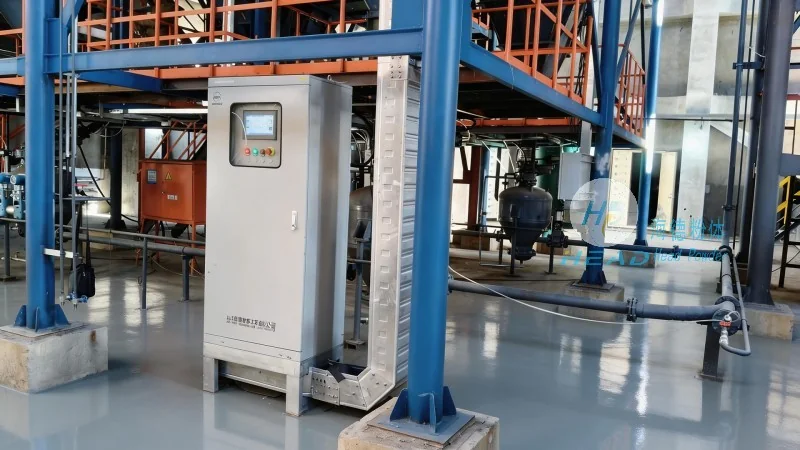
Mixed pressure systems combine elements of both positive and negative pressure systems. They use a combination of positive and negative pressure zones along the pipeline to optimize material transport. For example, a mixed system might use a positive pressure section to move material from the source to a central point and then switch to a negative pressure section to transport it to the final destination. This hybrid approach allows for greater flexibility in system design and can be tailored to specific site layouts and operational needs. Mixed pressure systems are often used in complex industrial settings with multiple material sources and destinations.
The application of pneumatic conveying systems for ammonia fertilizer spans industrial and agricultural sectors. Primary benefits include improved safety, reduced labor costs, enhanced material handling efficiency, and minimized environmental impact.
In industrial settings, ammonia fertilizer pneumatic conveying systems are used in fertilizer manufacturing plants to transport raw materials and finished products. The systems streamline production by moving bulk materials between processing stages, such as mixing, granulation, and packaging. For example, in a typical fertilizer plant, ammonia fertilizer is produced by combining ammonia with other nutrients. The pneumatic conveying system transports granulated fertilizer from the granulation unit to storage silos or the packaging line, reducing manual handling and minimizing spillage or contamination risks.
In agricultural applications, pneumatic conveying systems transport ammonia fertilizer from storage facilities to application sites like farms or fields. Positive pressure systems are often preferred for large-scale farming operations due to their ability to handle long distances and varying terrain. The systems can be integrated with spreaders or applicators to deliver fertilizer directly to crops, ensuring uniform distribution and optimal nutrient uptake.
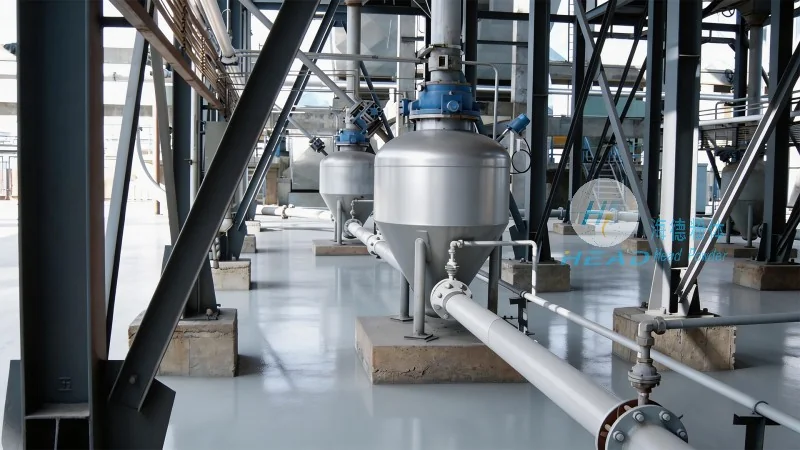
Key advantages include handling ammonia fertilizer in a dust-free environment, reducing inhalation risks and material loss. Systems are energy-efficient compared to traditional transport methods like trucks or rails, lowering operational costs and carbon emissions. The use of corrosion-resistant materials (e.g., stainless steel) and advanced control systems ensures durability and precise operation, maintaining consistent flow rates and preventing clogging.
The technical features of ammonia fertilizer pneumatic conveying systems are designed to address the material's corrosive nature and operational challenges. Systems are constructed from materials resistant to ammonia, such as specialized alloys or stainless steel, to withstand acidic conditions and high pressure/temperature. Advanced control systems monitor and adjust air flow and material feed rates in real-time, ensuring optimal conveying speed and pressure.
Efficiency is determined by system capacity, pressure differential, and material flow characteristics. Rotary valve feeders and positive displacement blowers maintain consistent flow rates, preventing material buildup. Real-time monitoring allows for adjustments to optimize performance, minimizing downtime and maximizing throughput.
Safety features include pressure relief valves, vacuum breakers, and material sensors to prevent overpressure or vacuum failures. Corrosion-resistant materials and regular maintenance schedules ensure long-term reliability, reducing downtime and maintenance costs. The systems are engineered to handle the demands of industrial and agricultural applications with minimal risk.
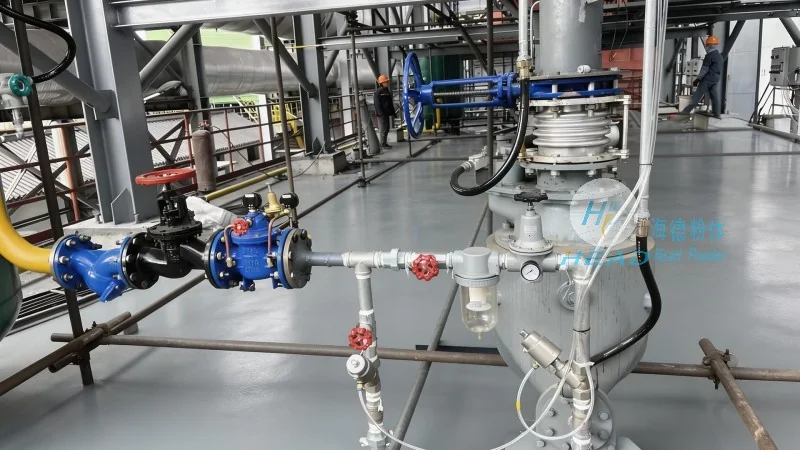
Environmental sustainability is prioritized through energy-efficient blowers and recycling systems for compressed air. The design minimizes material spillage and dust emissions, complying with environmental regulations. The systems reduce reliance on external power sources, lowering overall environmental impact while maintaining operational efficiency.
Pneumatic conveying systems offer a reliable and efficient solution for ammonia fertilizer transportation, addressing unique challenges like corrosivity and material handling. Classification options (positive, negative, mixed pressure) allow tailored solutions for specific operational needs. Applications in industrial and agricultural sectors highlight benefits including improved safety, reduced costs, and enhanced efficiency.
Shandong HeadPowder Engineering Co., Ltd., a leading manufacturer, specializes in designing, manufacturing, and installing ammonia fertilizer pneumatic conveying systems. With years of experience and a commitment to quality, the company provides customized solutions for clients worldwide. HeadPowder's systems are engineered to handle ammonia fertilizer's corrosive properties and built to withstand industrial demands. The company focuses on safety, efficiency, and environmental sustainability, serving as a trusted partner for optimizing fertilizer transportation processes.
HeadPowder is located in Shandong, China, and serves global clients with advanced technology and professional services. By leveraging the latest pneumatic conveying advancements, the company continues to innovate, providing solutions that enhance system performance and reliability. For businesses seeking to improve supply chain operations and reduce costs, pneumatic conveying systems from HeadPowder are an excellent choice.

 Shandong Headpowder Engineering Co., Ltd.
 156-6277-7102(Manager Zhang)
  0531-83386006
  Zhangqiu District, Jinan City, Shandong Province, China
telephone
WeChatconsult
top