With more than 10‑year industry experience, Shandong Headpowder delivers full‑service pneumatic‑conveying systems and blowers, undertaking nationwide turn‑key powder‑handling projects.
HeadPowder, a leading enterprise in the field of dust handling and material transportation, specializes in the design, manufacturing, and implementation of pneumatic conveying systems for various industrial applications. This article provides an in-depth analysis of the classification of dust pneumatic conveying systems and their practical applications, highlighting the technical advancements and operational efficiency that such systems offer in modern industrial processes.
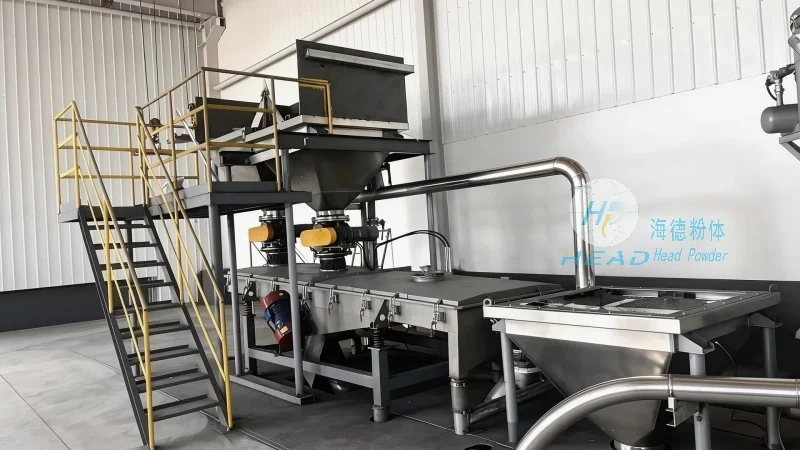
Dust pneumatic conveying systems are primarily categorized based on the principles of air flow and the method of material transport. The main types include positive pressure systems, negative pressure systems, and hybrid systems. Positive pressure systems utilize high-pressure air to push material through the pipeline, making them suitable for long-distance and high-capacity transport. Negative pressure systems, on the other hand, use low-pressure or vacuum conditions to draw material into the system, which is ideal for applications requiring minimal dust emission and material recovery. Hybrid systems combine elements of both positive and negative pressure, offering flexibility in handling different material characteristics and system configurations.
Regardless of the classification, dust pneumatic conveying systems typically consist of several core components: a material feed hopper, a conveyor line (usually made of metal or plastic pipes), a dust separator or cyclone, a filter system, and a blower or fan. The working principle involves feeding the dry dust material into the hopper, where it is then entrained by the air flow generated by the blower. The mixture of air and material travels through the pipeline to the destination point, where the dust is separated from the air using a cyclone or other separation equipment. The clean air is then filtered and discharged, while the separated material is collected for further processing or storage.
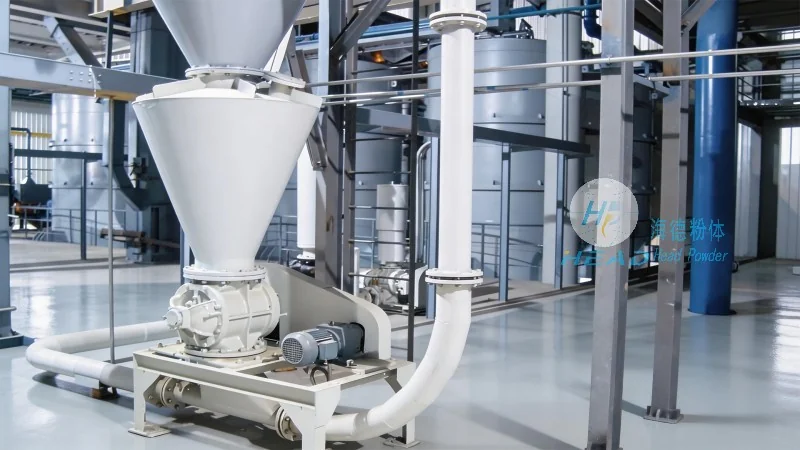
The versatility of dust pneumatic conveying systems makes them indispensable in numerous industrial sectors. In the pharmaceutical industry, these systems are used for the safe and hygienic transport of powders, ensuring compliance with stringent quality and safety standards. In the food processing industry, they facilitate the handling of dry ingredients like flour, sugar, and spices, maintaining product purity and preventing contamination. The chemical industry benefits from these systems in transporting various powders and granules, which may be abrasive or corrosive, requiring robust and durable equipment. Additionally, in the mining and mineral processing sector, pneumatic conveying systems are employed to transport raw materials and byproducts, enhancing operational efficiency and reducing manual handling risks.
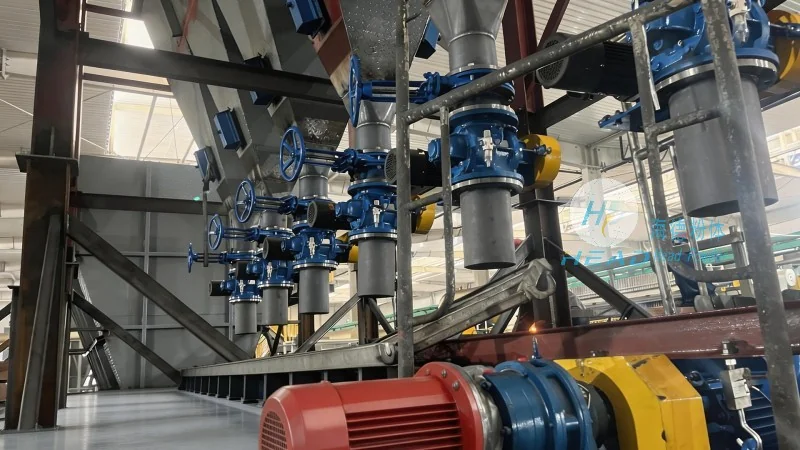
Choosing the right dust pneumatic conveying system depends on several factors, including the type of material, required transport distance, system capacity, and environmental regulations. Positive pressure systems are generally preferred for high-capacity and long-distance transport due to their ability to handle larger particle sizes and abrasive materials. They also offer better control over dust emissions, making them suitable for applications in enclosed environments. Negative pressure systems, while effective in minimizing dust leakage, may require more maintenance and are less efficient for long-distance transport. The choice of system also impacts energy consumption; positive pressure systems typically consume more power but provide higher transport efficiency, whereas negative pressure systems are more energy-efficient for shorter distances.
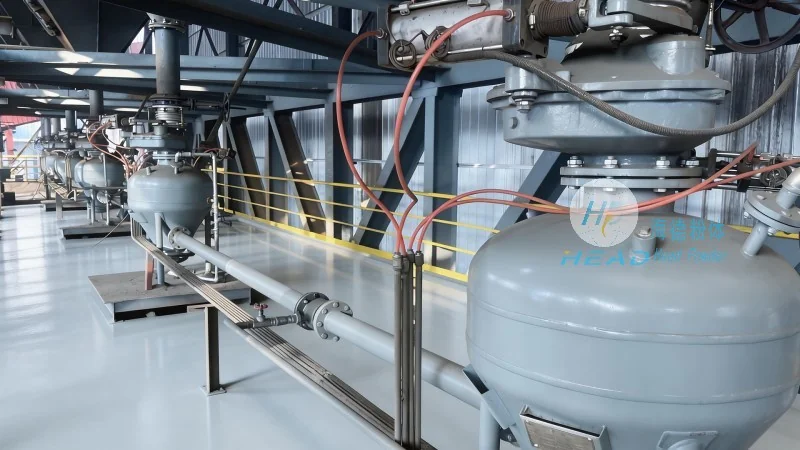
Shandong HeadPowder Engineering Co., Ltd. recently implemented a positive pressure pneumatic conveying system in a pharmaceutical manufacturing plant. The system was designed to transport active pharmaceutical ingredients (APIs) and excipients from storage silos to production lines, ensuring a dust-free and sterile environment. The system features a stainless steel pipeline network, a high-efficiency cyclone separator, and a HEPA filter to maintain air quality. The implementation resulted in a significant reduction in manual handling, improved product purity, and compliance with GMP (Good Manufacturing Practice) standards. The project demonstrated the effectiveness of positive pressure systems in critical industries where material integrity and safety are paramount.
Dust pneumatic conveying systems play a crucial role in modern industrial operations, offering efficient, reliable, and safe material transport solutions. The classification and application of these systems continue to evolve with advancements in technology, such as the integration of automation and real-time monitoring systems. As industries strive for higher productivity and stricter environmental regulations, the demand for advanced pneumatic conveying solutions will remain strong. HeadPowder, with its expertise and commitment to innovation, continues to provide tailored solutions that meet the diverse needs of its clients, ensuring optimal performance and operational excellence in dust handling applications.

 Shandong Headpowder Engineering Co., Ltd.
 156-6277-7102(Manager Zhang)
  0531-83386006
  Zhangqiu District, Jinan City, Shandong Province, China
telephone
WeChatconsult
top